

Can we do it? Well, actually we likely can
Before the national election circus begins again, it is important to bring in a touch of economic reality.
Politicians love to tell us that this or that cannot be funded or that taxes will have to be raised to pay for something.
The reality is that taxes don’t pay for anything — they are a mechanism for inflation control and social and environmental influence. Our government creates its own money.
The Budget process authorises expenditure and the required funds are simply created out of thin air. Government expenditure always occurs before taxation.
A government can always spend too much, and the result can be inflationary, and one role of taxation is to remove excess money from circulation after it has been spent. Bonds can be used as another mechanism for removing excess money, at the government’s discretion — bond sales are essentially voluntary. Government spending can also be targeted .
Don’t be taken in by "we cannot afford it". There is no limit to how much money government can create so long as it keeps inflation in check. Parties use affordability as an excuse for political, not economic action.
Look beyond the politics, and challenge politicians who say health, education, environment etc are unaffordable — not so, and we shouldn’t let them get away with it.
On the same side
Bruce Hendry (5.5.26) believes that comments made by the city’s drainage engineer after the 1968 South Dunedin flood embarrassment can be used to challenge my assertion (ODT 23.4.26) that the South Dunedin drainage system that had been installed earlier in the 1960s was knowingly underdesigned.
The design rationale, to describe it kindly, is found in the relevant council files of the late 1950s and early 1960s.
Amongst the optimistic assumptions of the designers was that the design storm duration would not exceed about three-quarters of an hour. Did the designers really believe that?
It was also admitted in the design reports that the pipe infrastructure could not deliver even the proposed pump station’s limited capacity (6.3cu m per second). Shamefully, it still can’t.
Mr Hendry appears to partially allude to this in his comments re the Hillside Rd pipe network.
What is most important is that Mr Hendry and I both continue to highlight the disgraceful reality of the situation that successive councils have failed to address, despite their promises.
[Neil Johnstone is a retired civil engineer.]
In a nutshell
I commend Dr Timothy Ferber of Outram for his timely and wise letter replying to David More (ODT 27.4.26), correcting the widespread view that America is attacking Iran for no reason.
Unless one reads more widely than what is presented by the media you would believe that that is the case. Dr Timothy puts it in a nutshell ... this is a preventative war to end the source of terrorism in the world.
For why?
To say strategically that a hotel would help the future of event procurements for the city is ludicrous. Only 140 rooms, next to a stream that floods, facing the stadium with little outlook and very little sun.
If we need extra beds for a few one-off big nights then maybe the stadium bosses can set up an accommodation platform for Dunedin residents to get paid to rent a bed or two in their homes for the night. Keep it local so those who helped pay for the stadium can get something back.
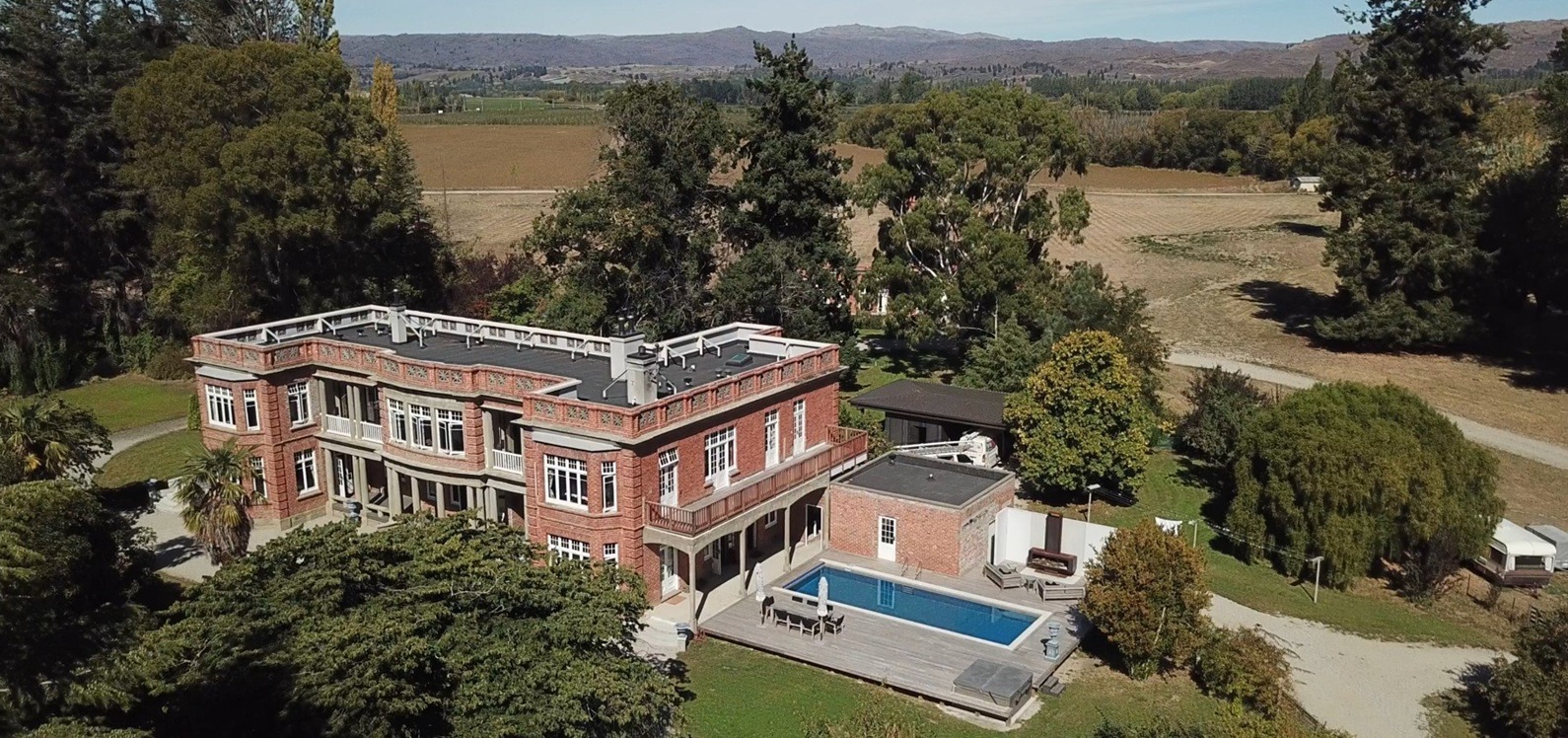
Cautionary tale of a castle refurb worth retelling
Some stories just have to be told and retold. The Earnscleugh homestead saga, where the owners restored a crumbling, uninhabitable building to its former glory is a tribute to unrelenting tenacity and vast overreach by the local authority. The real story is not so much the restoration/rebuild but the council decision to put the owners through the grinder by the public notification process, when even Heritage NZ agreed with the owners’ plans.
There were 98 submissions – everyone in favour of the owner’s restoration plans. That is until the council’s paid consultant said no. He or she wanted the unfinished look to remain. Never mind the leaking walls and roof.
The costs blew out with the hearing alone costing the applicants 150k. The opportunity cost caused by council delay is massive.
Why did the council request public submissions if the council can willingly disregarded public opinion? Do councillors not represent public opinion?
Address Letters to the Editor to: Otago Daily Times, PO Box 517, 52-56 Lower Stuart St, Dunedin. Email: letters@odt.co.nz


