
PHOTO
In 1945, everyone looked forward to the end of World War 2, but some economists and finance ministers were worried. Demobilisation and big cutbacks of defence spending were on the horizon — well, what would stop us sliding back into the mass unemployment of the 1930s, as indeed had happened in many countries, including New Zealand, after World War 1, when soldiers returning from the battlefields to a ‘‘land fit for heroes’’ found themselves instead propping up the dole queues?
They needn’t have worried. The second war had been much better handled economically than the first, largely under John Maynard Keynes’ guidance. Rationing, price controls and enthusiastic take-up of war bonds had freed up the resources needed for war, while also building up the balance sheets of households. There was a huge pent-up demand for the products of the reviving peace-time economy, and the resulting boom ended up fuelling the longest period of unbroken economic prosperity in the history of the Western world.
What can we hope for as we come out of the war on Covid-19? Will there be a burst of consumer spending from pent-up demand?
Everyone will need a haircut, of course, and those of us lucky enough to keep our jobs through the lockdown will have some savings which we should patriotically spend as fast we as can as soon as the shops open.
But that’s probably not going to be enough to remobilise a private sector of which huge tranches have been simply forced to completely shut down. We need a big boost, fast. So the Government has invited local authorities to prepare plans for ‘‘shovel-ready’’ projects — and, boy, have they responded with long wishlists requiring billions of dollars in subsidies.
I think this is quite the wrong thing to do. I have three concerns.
First, a lot of these projects are dodgy from a cost-benefit perspective, and some may be particularly inappropriate to our new post-pandemic economy. Top of Wellington’s list is an International Convention Centre — does the business plan for this still stack up, if indeed it ever did? Auckland has prioritised the ruinously expensive underground railway, premised on the assumption of continued mass commuting to the CBD. Working from home, anybody? There’s an economists’ saying about all this: governments aren’t very good at picking winners, but losers sure are good at picking governments.
Second, the one thing all of these projects have in common is that they do actually require shovels. They are all construction or physical infrastructure schemes. But have we forgotten that, just over one month ago, the most problematic sector in the economy was building and construction, stuck in an inflationary boom situation with cost overruns, delays and lagging house building? This sector is really the worst place to pump money into right now, because the supply side is stretched, and will be again soon after building recommences.
And third, because of problem two, it turns out that most of these schemes couldn’t actually be cranked up before six months from now, at the earliest. We need a programme that will give relief to households and revenue to small and not-so-small businesses right across the country, and right away, the moment we get to Level 2.
There is only one way to do this fairly and efficiently, and it is a very good way. On the day that the Prime Minister announces the move to Level 2, the Minister of Finance should startle the country by proclaiming a GST holiday: zero GST from tomorrow until ... well, he probably shouldn’t say when. Just get out there and enjoy it while you can, with 15% more spending power in your pockets.
I think it is generally agreed — here and around the world — that macroeconomic crises like these do justify governments moving into Keynesian deficit spending, as was done to good effect after the Global Financial Crisis a decade ago. But instead of adding to the deficit by throwing expensive shovels at projects, and thereby taking the public sector’s share of total spending up even further than its current, very high, level of 40% of GDP, let’s hold the line on spending and cut tax revenues for a while, and let the households and the business sector sort out the shovelling for themselves.
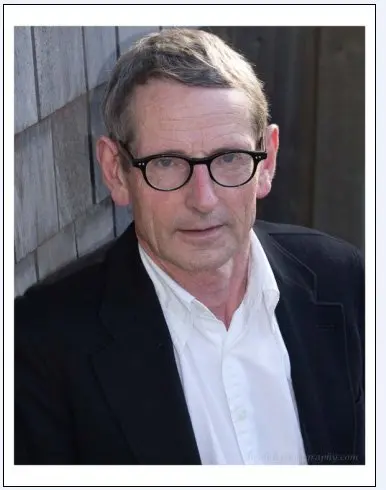
Tim Hazledine is a professor of economics at the University of Auckland.