
PHOTO
The latest New Zealand Health Survey confirmed a sad reality: New Zealand’s momentum towards the Smokefree 2025 goal has stalled.
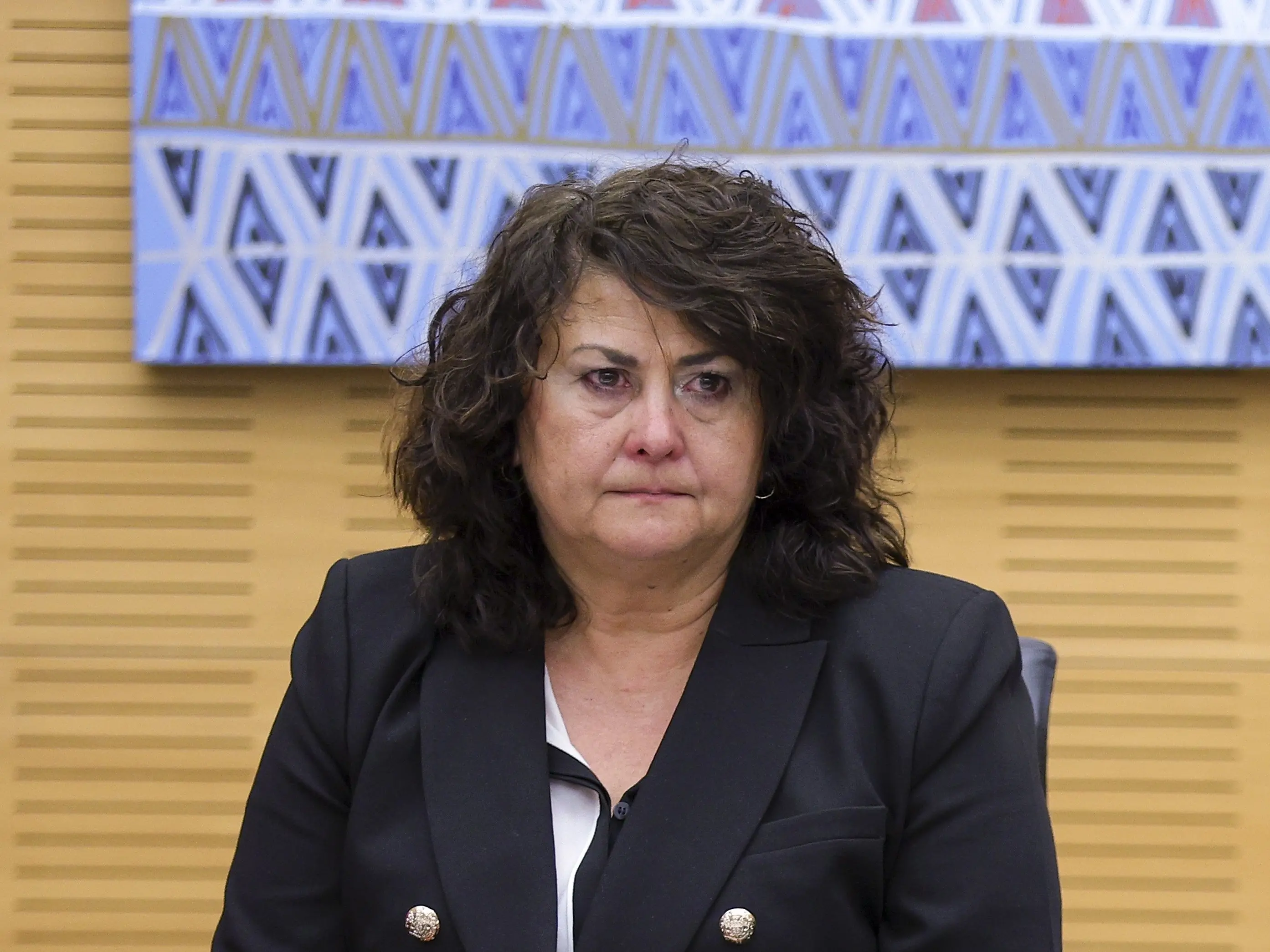
Associate Health Minister Casey Costello welcomed the latest data in a press release, which said the survey results showed "smoking rates reducing to 6.8%".
However, smoking prevalence is exactly what it was when she took office and the downward trajectory she inherited has ended. Even more concerning, substantial inequities in smoking prevalence have continued, with smoking prevalence among Māori at 15%, more than double that of New Zealand Europeans.
Given Māori leaders inspired the smoke-free goal, failure to reduce these inequities is a bitter irony.
Instead of celebrating smoking prevalence of less than 5% among all population groups, New Zealanders are left wondering what has gone so badly wrong.
A government serious about the Smokefree 2025 goal would also be asking itself that question and then acting quickly to catalyse progress.
New Zealand’s dramatic fall in the Global Tobacco Industry Interference Index, from second to 53rd, offers some insight into what has undermined our progress.
This global report, led by the Cancer Society in New Zealand, examines how effectively governments have protected policy-making from the tobacco industry’s interests.
The 2023-25 report outlined weakened protections from industry influence, reduced transparency and policy-making that has favoured tobacco companies.
Costello argued the index should have focused on smoking rates, but mistook its purpose.
The index did exactly what it was designed to do: assess whether governments are upholding international obligations to protect health policy from industry interference.
Sadly, the Cancer Society’s report is not the only evidence of New Zealand’s downward spiral.
At a recent international meeting, the Global Alliance for Tobacco Control, a civil society group, presented New Zealand with a "Dirty Ashtray" award, an unwanted distinction reserved for governments that weaken strong policy or adopt measures favouring tobacco industry interests.
This award is the antithesis of the global leadership we once proudly claimed and signals a conclusion we cannot ignore: in a very short period, the government has undermined world-leading progress built over decades.
As a party to the Framework Convention on Tobacco Control, New Zealand must restrict and fully disclose engagement with the tobacco industry.
However, NZ First minister Shane Jones is reported as saying: "I have talked to industry, the coal industry, the mining industry, the tobacco industry, the agricultural industry."
Another article noted: "Jones confirmed he had discussed the party’s tobacco policy with the [tobacco industry] lobbyist".
"We took soundings from a whole range of people. My friendship and association goes well before the cigarette business ..."
Meanwhile, when challenged in 2024, Costello said: "I’ve had no involvement with the tobacco industry."
She recently reiterated the same point, insisting: "I have not ever spoken to a tobacco company about these initiatives."
How are we to reconcile Jones’ ready admission that he has engaged with tobacco companies and Costello’s repeated denial of any involvement with the industry?
Is the associate health minister asking New Zealanders to believe that tobacco industry advice offered to her Cabinet colleague had no influence on her decisions?
In the same interview, Costello claimed: "I have been completely transparent in everything. My diary is fully released. Every meeting, every paper has been released and every piece of work."
Yet, in 2024, the chief ombudsman formally rebuked Costello for withholding information in breach of the Official Information Act, noting her actions were "unreasonable and contrary to law". Judge Peter Boshier requested she apologise for her failings.
Costello’s apology letter acknowledged her actions denied New Zealanders the transparency "expected of government around its decision-making".
Costello has said she is "completely transparent". Now she must prove it.
The government could adopt the Cancer Society’s recommendations tomorrow. It could develop a government-wide register of lobbyists; exclude tobacco companies from policy consultation processes; increase transparency by requiring greater disclosure of meetings, data and marketing and lobbying expenditure; and develop codes of conduct for lobbyists and those they lobby.
It could also commit to evidence-based tobacco control, as its coalition agreements require, and honour its responsibilities under international treaties, such as the Framework Convention on Tobacco Control.
The question confronting the government is simple: Will it protect New Zealanders’ health or favour the interests of an industry that profits from their addiction?
New Zealand built a reputation as a bold, principled world leader in tobacco control.
We can either defend that legacy or watch it go up in smoke. — Newsroom
• Professor Janet Hoek and Dr Jude Ball are based in the ASPIRE Aotearoa tobacco control research centre at the University of Otago, Wellington; associate professor Anaru Waa is co-director of the ASPIRE centre.