
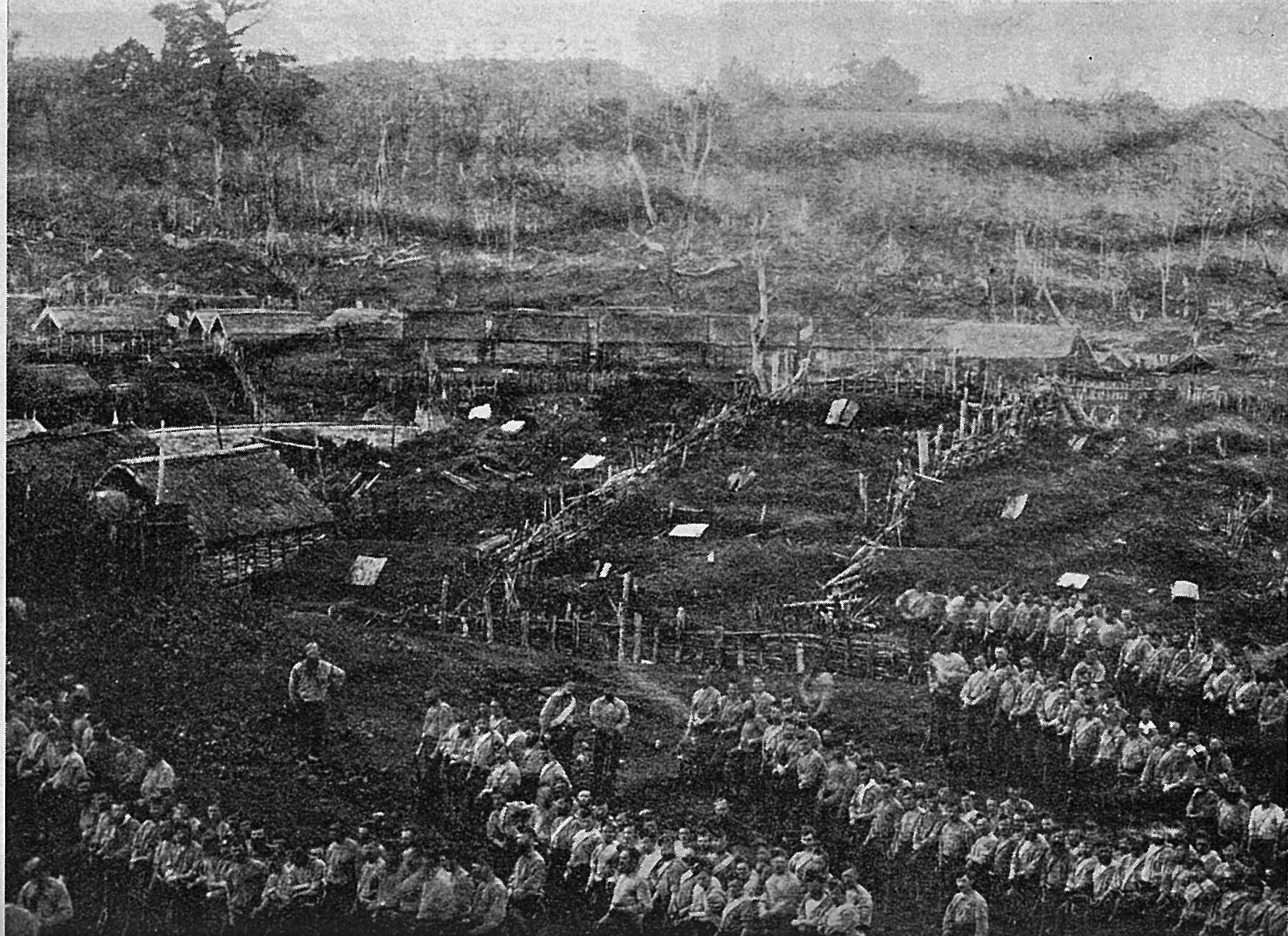
The message of Parihaka remains strong, Julian Doorey writes.
The world is increasingly polarised and violent. The rules-based system is fracturing.
From devastation in Gaza and Ukraine, to new war in Iran and rising Pacific tensions, the world is reverting to a military invasion model. Nations are rearming and alliances hardening.
As a Christian, I find it distressing to witness nations claiming Judeo-Christian roots gloating over the destruction of ‘‘enemies’’ — innocent people made in God’s image. What happened to our Judeo-Christian ethic of fairness and love, often touted as having built superior Western societies?
Where do we find an example of peace? Ironically, not in the modern-day Holy Land, but rather in Aotearoa New Zealand’s own history — the story of Parihaka.
Parihaka was a historic Māori village in Taranaki founded in the 1860s by two prophets, Te Whiti o Rongomai and Tohu Kākahi. The community emerged during a period of immense upheaval for Māori.
Large areas of land were confiscated by the colonial government — more than 485,000ha in Taranaki, often under questionable claims of rebellion. Villages were destroyed, crops burned and communities displaced.
Parihaka became something different: a refuge, a place of worship, a living experiment in Jesus’ teachings. Methodist Christian missionary teaching, especially Jesus’ Sermon on the Mount, strongly influenced the community.
Instead of responding to injustice with repeated cycles of violent utu (reciprocity/revenge) they chose non-violent civil disobedience. This included rebuilding fences, removing survey pegs and ploughing previously taken fields.
When government forces arrested people committing these actions, others replaced them.
On November 5, 1881, the government sent nearly 1600 armed troops to invade the village. Expecting resistance, they instead encountered the community sitting peacefully, singing hymns, young people offering bread, elders praying and unarmed leaders.
The soldiers destroyed homes and crops, looted property, abused women and girls, dismantled food stores, killed animals and dispersed the settlement. Te Whiti and Tohu were arrested for sedition.
Hundreds of Parihaka men were imprisoned without trial and marched to the South Island for slave labour, some building harbour rock walls in Dunedin. From prison, Te Whiti preached peace, wrote of forgiveness and taught that the future belongs to those walking the peace path.

That legacy raises uncomfortable questions for us today. In our current global climate, countries are increasingly framing international relations via defensive alliances and military power.
Defence spending is rising dramatically. New Zealand is under pressure to increase its military budget from 1% to 2% of GDP. This might not sound much, but New Zealand’s overseas development assistance (ODA), which supports poverty reduction, education, health and climate resilience in mostly poorer Pacific countries, is shrinking from a miserly high of 0.34% in 2023 to 0.24%.
Development practitioners have long argued that long-term peace is built far more effectively through co-operation, trust and economic opportunity, rather than projection of military power.
During 13 years of living and working in Bangladesh, I saw this at village level. Christians are a microscopic 0.2% minority living among Muslims (90%), Hindus (9.5%) and Buddhists (0.2%).
Yet church-based community development projects became spaces where people of different faiths worked together for improved education, health and livelihoods. A huge outcome was greater trust and co-operation between different religious communities that otherwise were more divided.
This was the ‘‘gospel of peace’’ in action — transforming individuals and societies.
With respect to South Pacific tensions between the superpowers US and China, there is no better peace-making strategy for New Zealand than funding sustainable development, working closely with Pacific neighbours. Peace grows when people work together for the common good.
Jesus’ teaching about peace-making, loving enemies and turning the other cheek has never been easy. Christians disagree about how literally it should apply to matters of war and national defence.
Some believe Jesus’ followers should never take life (non-violent action). Others believe deadly force can prevent greater injustice (just war theory).
Should we dismiss Jesus’ peace commands as unrealistic — exaggerations to make a point?
In the local church I attend, individuals confidentially answered the question: Did Jesus mean literally for his followers to ‘‘Love their enemies and turn the other cheek’’ (Matt 5:38-45)?
Out of 82 responses, 74% ‘‘strongly agreed’’ or ‘‘agreed’’, 14% ‘‘strongly disagreed’’ or ‘‘disagreed’’, while 11% ‘‘didn’t know/unsure’’.
This suggests a faith within our pews open to exploring practical peace-making.
On reflection, the above survey question didn’t indicate how victims of violence could respond — for example, departing from domestic abuse.
A better question might be: ‘‘Do Jesus’ peace teachings support only a non-violent response to conflict?’’ I wonder how ODT readers would respond?
Parihaka peace was not the passive sentimentality of a Christmas card. It was a brave, non-violent response to conflict.
Parihaka is a taonga in New Zealand’s history. In a rearming world, drifting towards more conflict and war, I believe the role of Jesus’ followers remains clear: we must be the peace-makers (if not us, then who?).
Whether in our homes or our foreign policy, the future belongs to those walking the peace path.
• Julian Doorey is a Dunedin justice advocate.


