
PHOTO
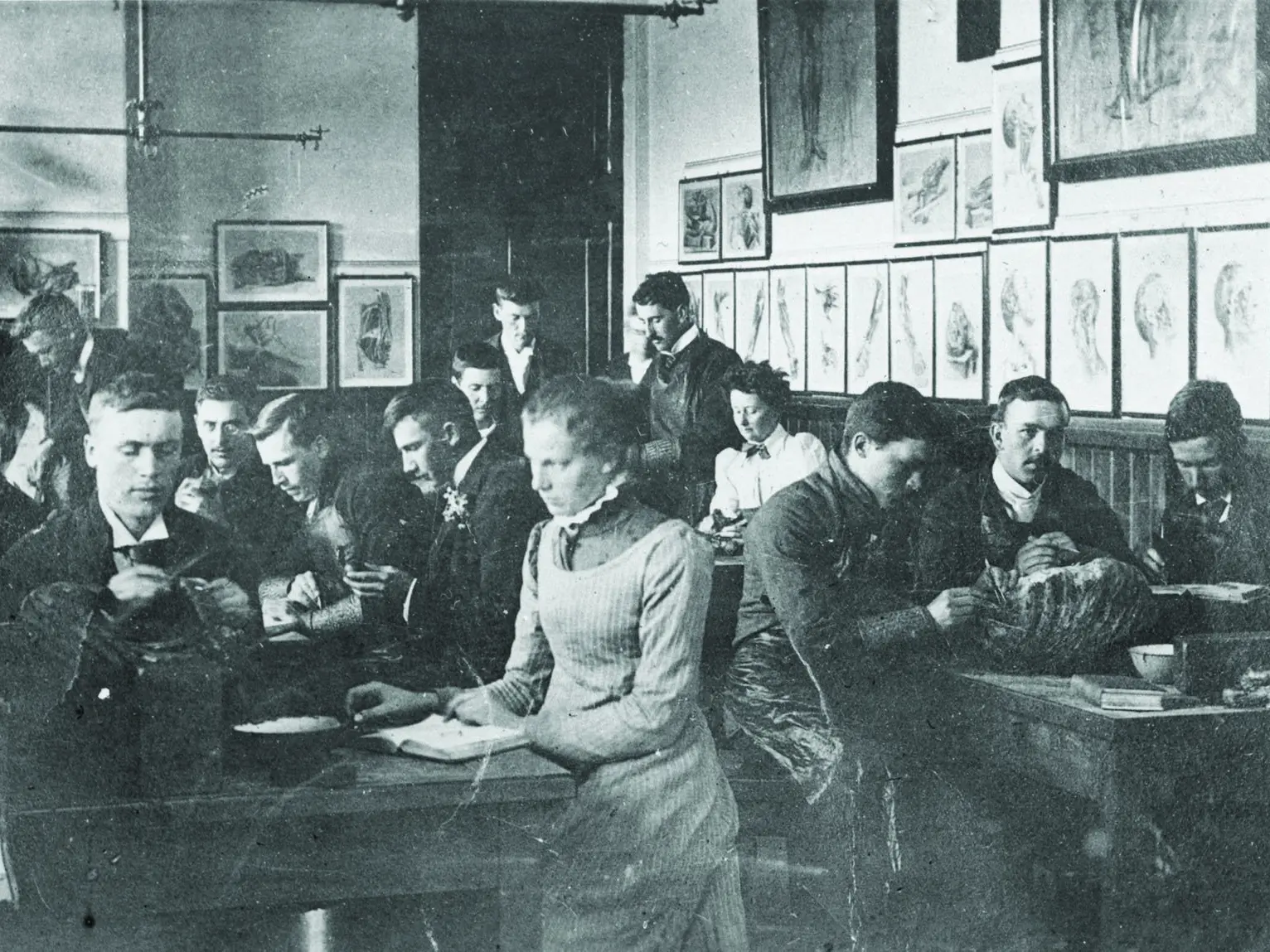
In an opinion article in the ODT on July 3, Profs Sian Halcrow and Rebecca Gowland rightly condemned the questionable practices in the 19th and early 20th centuries that resulted in the collection of the bodies of young children in anatomy museums.
They correctly pointed to the inequitable nature of these practices and concluded that anatomical collections are records of power, marginalisation and loss.
While these conclusions were largely based on their research in the W.D. Trotter Anatomy Museum at the University of Otago, they referred to other notable examples in similar museums worldwide.
Museums are time bound. They reflect the prevailing attitudes of the society in which they are located and mirror the ethical climate of the times when the collections were being established.
The Otago anatomy museum is no exception; in its early days it obtained bodies from hospitals, mental asylums and the poor house, without the consent of the mothers or other relatives.
Today such practices are viewed as deeply unethical and are vigorously rejected.
Changes in ethical practice have been gradual and hard won, as the anatomy profession has responded to repeated tragedies. These have included use of bodies from concentration camps in Nazi Germany and other national socialist countries and the scandals of retaining body parts without consent following postmortems in the United Kingdom.
Other practices that have caused deep concern were the importation of skeletons from India for anatomy teaching in medical schools in the West and the presence of the skeletons of slaves in anatomy museums in the United States.
European museums also accumulated large collections of Māori and Aboriginal human remains throughout the colonial period.
As each of these practices has come to light, major efforts have been taken to respond to them, resulting in the development of a series of ethical principles by the international anatomical communities.
Central to these is the crucial importance of body donation following fully informed consent by the individual donor and/or close family members. This brought to an end the widespread use of unclaimed bodies by anatomists in most, but not all, countries where the days of taking dead bodies or body parts without permission are long gone.
These developments have had major repercussions for the new human remains that are added to anatomy museums.
Transparency and respect for the feelings and beliefs of those affected dominate today’s ethical scene. Considerable attention is now also placed on the diverse perspectives of varying indigenous and religious communities.
These major changes started to become evident in the early 1960s and have continued to be refined, with crucial legislative changes occurring in the early years of this century.
The 2008 Anatomy Act in New Zealand represents the new era in ethical discernment.
Thankfully, the type of episodes recounted in the ODT article have become a thing of the past, although present-day anatomists and biological anthropologists have to live with the consequences of past practices and have to do all they can to rectify the misdemeanours of their predecessors.
They also have to continue the task of casting an ethical eye on routine practices. For instance, a casual glance at many anatomy textbooks will reveal that there are far more images of males than of females, with far more white bodies than black or Asian bodies.
Only now are we coming to realise that even these are not value neutral but reflect social attitudes and prejudices.
The task of protecting the integrity of those whose remains are found in anatomy museums has been made far more difficult by the rise of almost universally available technologies, such as mobile phones, the internet and YouTube.
Anatomists are doing their best to ensure that their students are made aware of what ethical behaviour amounts to in this new, constantly changing world, but they, no less than their students, are on a steep learning curve.
International anatomical associations are working hard to update their recommendations on what constitutes good ethical practice. This is because there are ongoing pressures to make money from the sale of human tissues by so-called ‘‘body brokers’’ in the United States and also by some commercial companies in Europe.
The transport of body parts across country borders is a related problem area that attempts to fill gaps in body availability in some countries.
Reflection on the ethics of anatomy is now an accepted area within anatomy research and will continue to develop as these and AI-related issues produce an ever increasing range of intellectual and practical challenges.
• Gareth Jones is emeritus professor of anatomy at the University of Otago. His recent book, Encountering the Dead: Ethical Reflections of a Human Anatomist, covers these and related issues.