
PHOTO
Health New Zealand acknowledges the long-standing issues around delivering sustainable neurosurgical services in the South and remains committed to ensuring people across the lower South Island have access to safe, high-quality neurosurgical care as part of the Te Waipounamu regional neurosurgery service.
The reality is that, despite many years of effort, sustaining a standalone Dunedin service has been difficult. For many years, Christchurch has provided support to the Dunedin service as part of the South Island neurosurgery service. This has recently been refreshed into the Te Waipounamu Regional Neurosurgery service with dedicated clinical and operational leadership, helping to maintain safe and reliable access to care for patients. This service development is not about removing neurosurgery from Dunedin.
It is about ensuring the service remains clinically safe, sustainable and available when patients need it most.
Dunedin Hospital continues to play a critical role within this regional network and will remain the hub for neurosurgical services for the lower South Island, working alongside Christchurch as part of a single regional service.
For communities in Otago and Southland, regionalisation should not be interpreted as a withdrawal of neurosurgical services from Dunedin. Rather, it formalises and strengthens the collaborative model that has operated across the South Island for many years.
The regional model is designed to make the best use of specialist expertise across the South Island while ensuring patients receive the right care, in the right place, at the right time.
It will strengthen the service, support sustainable specialist care, and improve access to expertise and treatment for patients across the region.
In practical terms, Dunedin Hospital will continue to provide neurosurgical assessment, treatment, surgery, inpatient care and follow-up services for patients. The service will operate as part of an integrated South Island network, with clinicians working collaboratively to ensure patients can access specialist care when required.
Importantly, the regionalisation approach does not represent a reduction in neurosurgical services at Dunedin Hospital and access to urgent and lifesaving neurosurgical care is unchanged.
Patients experiencing serious neurosurgical emergencies will continue to be assessed and managed through established specialist pathways operating across the South Island. Decisions about where patients receive care will continue to be made on clinical grounds, with the priority always being timely access to the safest and most appropriate treatment.
Neurosurgery is closely linked with a range of other hospital services, including the emergency department, intensive care unit, trauma services, radiology and inpatient wards. These services work together to support patients with time-critical and complex conditions, and Dunedin Hospital will continue to provide the facilities and clinical services required to support neurosurgical care and related specialities.
At the same time, Dunedin is gaining improved access to elective planned neurosurgical care. This is a practical benefit of regional collaboration and a clear example of how working as one service can improve care closer to home for southern patients.
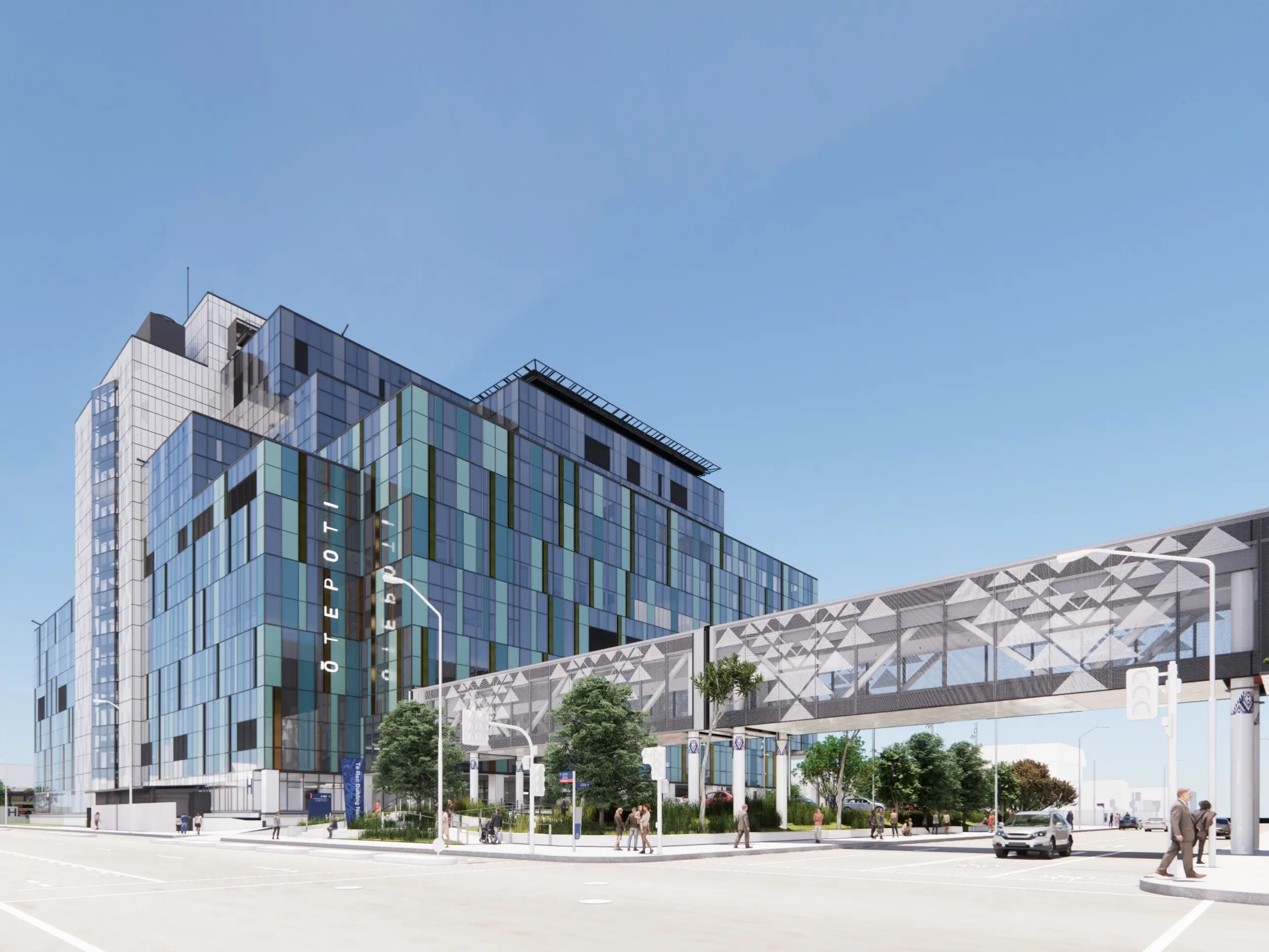
The new Dunedin hospital inpatient building has been designed to accommodate neurosurgery cases, with a neurosurgery-equipped operating theatre. This reinforces Dunedin Hospital’s ongoing role in delivering specialist neurosurgical services for the lower South Island as part of the Te Waipounamu regional neurosurgery service.
It is also important to clarify that although Health New Zealand can confirm it has not received a letter from a senior Dunedin doctor as reported on Monday, that we do welcome the opportunity to highlight the benefits of the regional neurosurgery service for our southern community.
Senior clinical and operational leaders in the Southern district were involved in the development of the regional service and their focus, like ours, is on developing a sustainable service which supports patients, clinicians, and communities over the long term.
Regional collaboration, such as this, is growing under Health New Zealand and this is exactly the kind of approach that will deliver more consistent, resilient and equitable access to care for all South Islanders.