
PHOTO
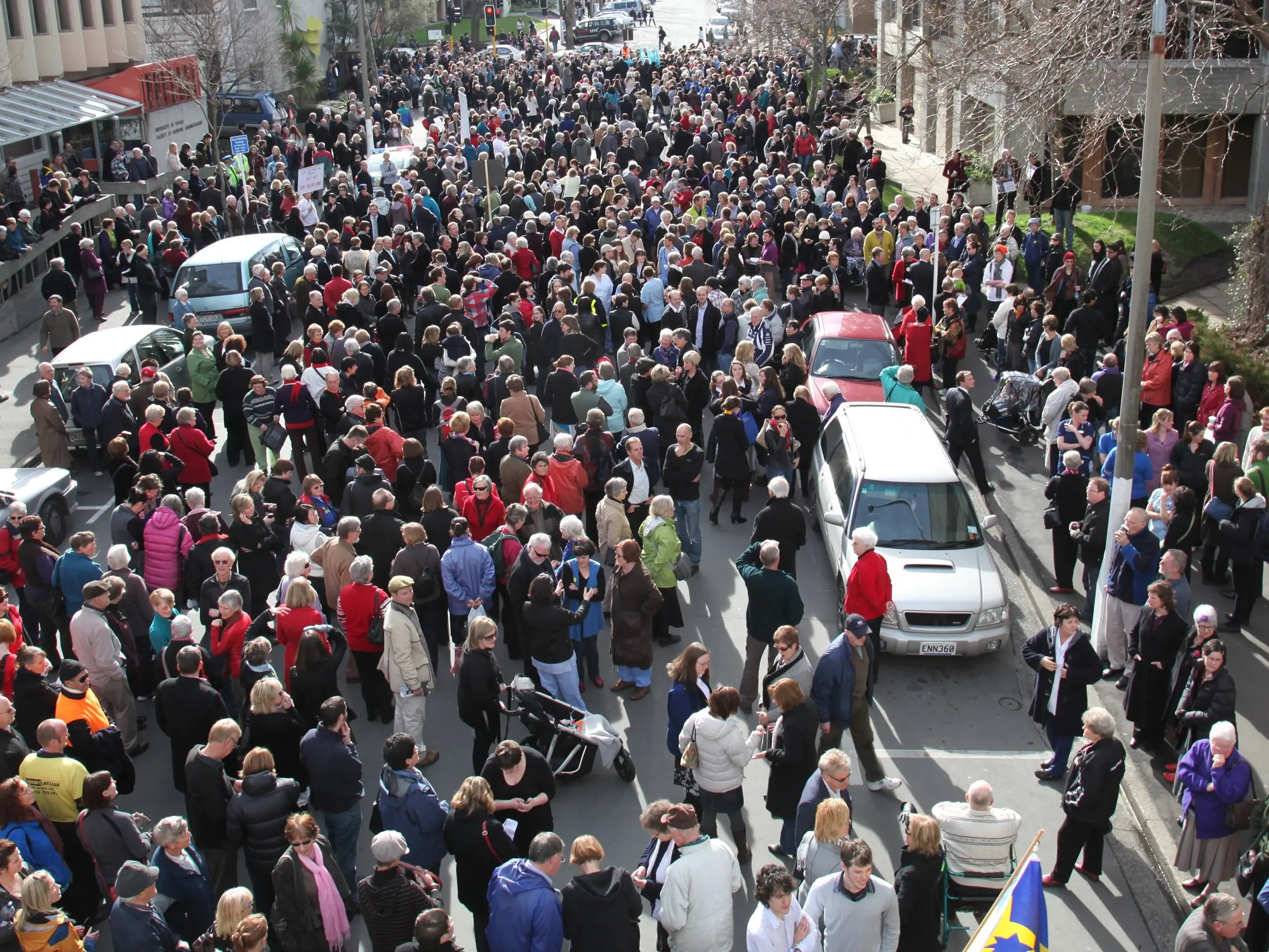
In 2010, the people of Otago and Southland fought one of the biggest health campaigns our region has seen.
The proposal to centralise neurosurgery in Christchurch galvanised the South. Thousands marched, signed petitions and spoke out. Families shared deeply personal stories about what timely access to a neurosurgeon had meant for them.
The message was simple: distance matters when minutes matter.
An expert panel was established to determine the future of South Island neurosurgery. Its conclusion was not that Dunedin’s service should be gradually diminished. Quite the opposite.
The 2010 South Island Neurosurgery Expert Panel recommended a single South Island service with two nodes — Christchurch and Dunedin. It envisaged Dunedin becoming “New Zealand’s academic neurosurgical unit”, building on the strengths of the University of Otago and developing international research links.
The decision at the time was that Dunedin would have a minimum of three neurosurgeons.
That was a vision for growth and sustainability. It was not a managed retreat — which many here will appreciate is a very loaded concept in this part of the world.
Nine years later, another independent review was commissioned. The 2019 South Island Neurosurgery Post Implementation Review examined whether the promises of 2010 had actually been delivered.
Its assessment was damning.
“The past history is a litany of unfulfilled expectations and early departures,” the review said. It also concluded: “The service has never functioned, or been funded, managed, or staffed on a ‘one service, two sites’ basis.” At no point had stable staffing of three neurosurgeons in Dunedin been achieved.
That history matters enormously today.
We are again hearing concerns about the future of neurosurgery in Dunedin. The question is not whether a department remains on an organisational chart. The question is whether Dunedin has the people, capability and support to provide a sustainable neurosurgical service.
And there is an even bigger question we need answered: what could changes to neurosurgery mean for our emergency and acute hospital system, and the new Dunedin hospital?
Neurosurgery does not operate in isolation. Dunedin’s neurosurgical service provides care for brain and spinal trauma, haemorrhage and tumours, and currently provides an acute emergency service 24 hours a day.
It sits within a complex network of emergency medicine, intensive care, trauma and other specialist services.
What neurosurgical capability is the new Dunedin hospital designed around? What does that mean for a patient arriving at the Emergency Department with a catastrophic head injury? What are the consequences for trauma and critical care? What pressure could that put on transfer services?
And what assumptions are being made about other time-critical specialist services, including cardiac and stroke care, in planning the new Dunedin hospital?
These questions are particularly urgent for Invercargill and Southland.
For someone in Invercargill, Dunedin is already hundreds of kilometres away. People in rural Southland and western Otago face even greater distances before reaching specialist care.
If more specialist care is centralised in Christchurch, the public deserves to know. This is not moving care from one suburb to another. It could add hours to the journey of a critically ill patient.
The people of Southland deserve transparency about decisions on where specialist services are based.
This is why the future of Dunedin hospital matters to the lower South Island. A tertiary hospital is an ecosystem. Specialist services rely on one another. Workforce decisions in one department can have consequences far beyond that department.
We need Simeon Brown and Health NZ to be transparent about those consequences.
In 2010, the expert panel was asked to identify a pathway to a “sustainable, high quality neurosurgical service”. Its answer was a two-node South Island service and an academic neurosurgical unit in Dunedin.
In 2019, independent reviewers found that the model had never been properly funded, managed or staffed as intended. Their response was a series of recommendations aimed at improving the quality and sustainability of the South Island service — including stronger governance, safer on-call arrangements and reassessing funding models.
The public deserves to know what happened to those recommendations, and whether those reports are shaping current decisions.
The South has heard reassurances before. What we need now is clarity.
Health New Zealand and the Government should set out, in writing, the planned neurosurgical capability in Dunedin, its workforce assumptions, and what this means for the new Dunedin hospital.
They should explain what changes in neurosurgical capability could mean for trauma, intensive care, emergency medicine and time-critical services across the lower South Island.
In 2010, southern communities stood up because they understood something fundamental. When a person has a brain bleed, a catastrophic head injury or another life-threatening emergency, geography is not an abstract policy issue.
Minutes matter. Sixteen years later, they still do.
• Ingrid Leary is the Labour MP for Taieri.