
PHOTO
Now is not the time to slash Dunedin City Council budgets or cut major projects, writes Dunedin Mayor Aaron Hawkins.
The great news that Baldwin St had reclaimed its crown was quickly tempered by the fact that we can’t celebrate in lockdown.
I can’t wait to welcome life back not just to our steepest street, but to all of our streets, and especially to our city centre.
What a party that will be.
We have plenty of big decisions ahead of that though, as we work through this year’s annual plan.
In these trying times, we know that far more people are struggling to make ends meet than when we signed off the draft budget.
The challenge for us is balancing our need to maintain council services, with the ability of our community to pay for that.
We also have an obligation under the Local Government Act to support the economic, social, environmental and cultural wellbeing of our community. Slashing spending to focus solely on essential services like water, roads and rubbish isn’t an option.
This isn’t the time to run slash and burn budgets: cutting major projects, making significant numbers of our staff redundant, and shrinking what we offer the city in both the short and long term.
There’s no more certain way to make our recovery slower and more painful.
But it is unlikely that the budget we’ll approve at the end of May will look the same as the one we saw in January.
Covid-19 will impact both our income and expenses. Staff are currently reviewing those assumptions, in order to bring back options that better reflect our current circumstances.
Our chief executive and senior staff have all accepted voluntary pay cuts in the short term. We’ve asked the Remuneration Authority not to increase the wages paid to elected members.
We also need to look how we prioritise spending in some areas. Given the ongoing challenges with international travel, is focusing on Project China still a priority for economic development?
Likewise, where large gatherings are no longer possible, is the money we invest in major and premier events more usefully spent supporting organisations on the frontline of the welfare response?
Cancelling our major projects — the George St redesign, the Tertiary Streets project, the Mosgiel Pool wouldn’t make much of a difference to next year’s budget, because the costs are spread out over a 10-year period, and they’re debt-funded.
Using this opportunity to relitigate our decisions around George St, for example, would take only $3million out of next year’s capital work plan, and save the cost of servicing that debt (roughly $55,000).
This comes at the expense of the jobs and the people friendly city centre that project will create.
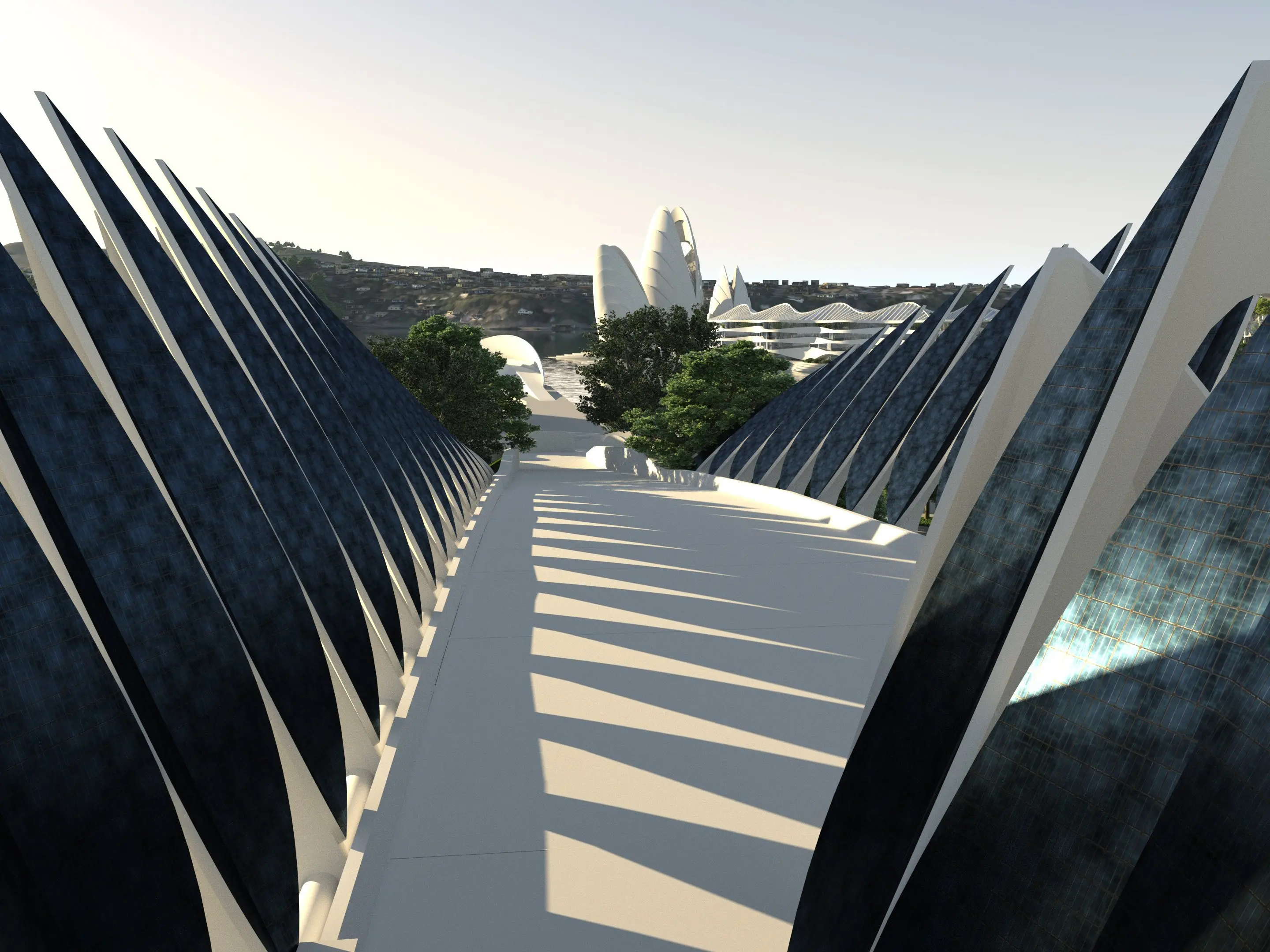
The one exception worth making to this is the proposed development of the Steamer Basin. Council’s contribution to this is the bridge connecting it to the city centre, to leverage private investment on the waterfront.
In the current climate that now seems unlikely, so we should defer construction until such time as that condition changes.
Perhaps more important than what we spend is how we raise that money in the first place.
The draft budget includes an average rates rise of 6.5%, though that will be higher for some residential properties due to the recent revaluations, and includes a decrease in rates for farmland.
It’s clear to all of us that this will not be sustainable across the board. What are the alternatives?
As I mentioned above, staff will identify targeted opportunities to cut spending, without major alterations to levels of service.
This will be both offset and limited by losses of revenue in areas like parking, venue hire, and admissions to Moana Pool.
We could reduce the amount of money we rate for and borrow money instead.
You could argue that the city coming out the other side of this in the strongest possible position will be beneficial for both current and future residents.
We have the option of not running a balanced budget, basically borrowing to pay staff, but it’s a last resort.
I’ve previously said I’d support not increasing the rates, and debt-funding the shortfall instead, but the more I think about it the more I think that’s too simplistic.
Rates are a blunt instrument. In trying to come up with a universal option you end up with something that supports people who have a genuine need but also dishes up tax cuts to people like me who don’t.
This is a hard time for some people, but not everyone.
We need options that expand the scope of our rates remission or postponement policies, while still allowing those who can to contribute to our work.
What we’re facing right now is the Baldwin St of economic recoveries, locally and around the world.
We need to make sure we invest in our long-term wellbeing, without loading unnecessary pressure on those being hit the hardest.
- The DCC Annual Plan is open for feedback. The deadline for submissions has been extended to April 24.