
PHOTO
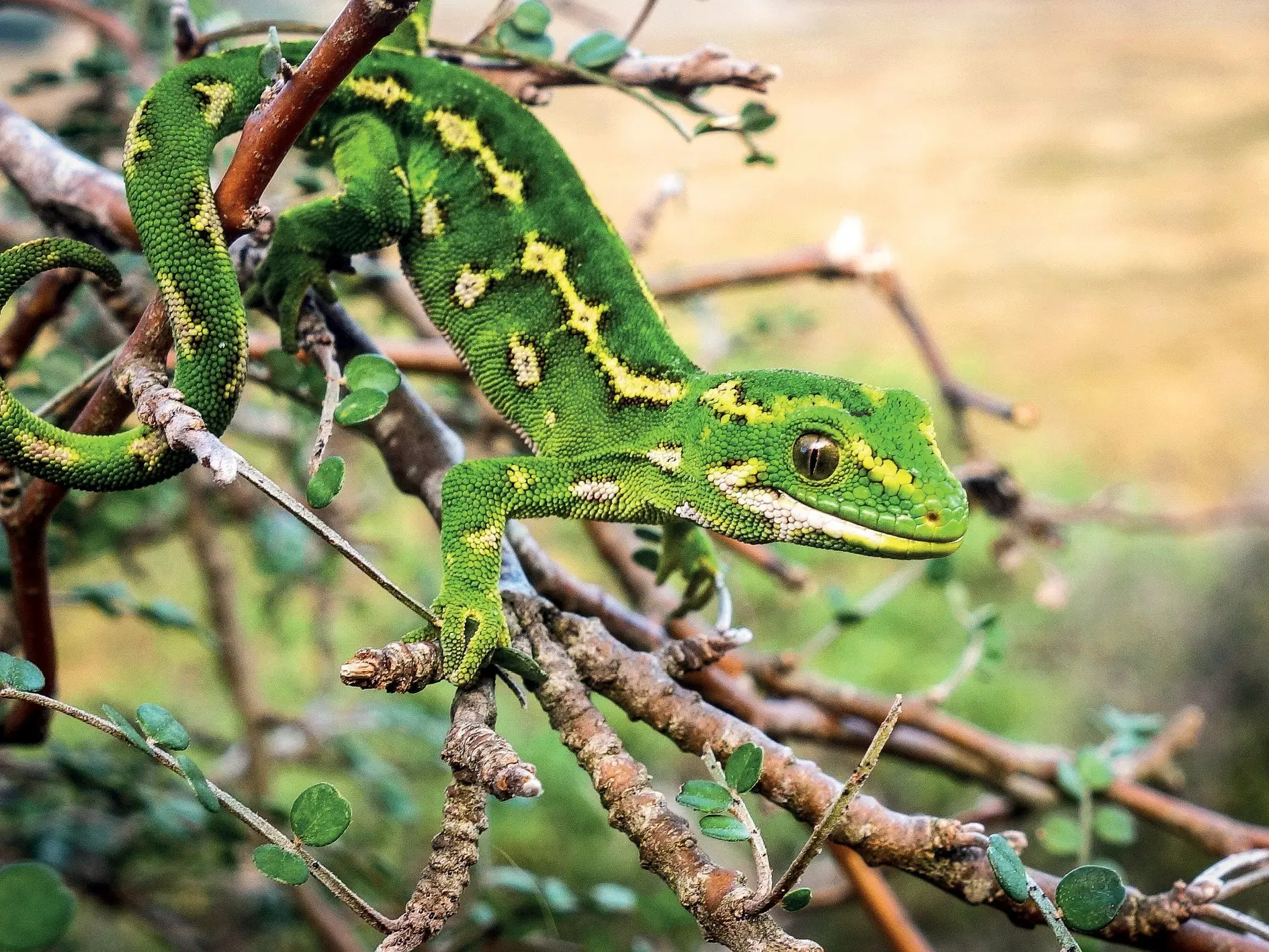
Yet again, the flight of the jewelled gecko is in the news as smugglers seek to export this prized reptile.
The keeper of the rare and endangered in New Zealand is the Department of Conservation. As the name suggests, their task is to ensure the survival of plants and animals, who, for whatever reason, struggle to make it in the natural environment — which hasn’t been natural since the arrival of the first canoe.
Common sense therefore suggests that we should utilise the abilities of both the public and private sector capacities. Some seem to believe that to commercialise threatened species is an affront to the sacred task of Doc.
Threatened species are beyond value they believe. Not so. There is a trade in all rare plants, propagated by nursery staff embedded within the private sector.
There appears to be no problem with a flourishing trade in formally rare plants; however once a mention is made of engaging the private sector to ensure the survival of endangered animals such as kiwi or (recently) the jewelled gecko, then the shutters go up.
Why? We engage in a trade of our most precious current and historical works of art. Importantly, society also encourages artistically talented (private) people to produce more of their work. Consider the following.
Flora: Kaikomaka (Pennantia Baylisaina) was considered the rarest tree in the world some time ago. It was discovered 55km off the northern tip of New Zealand.
Cuttings were taken and cultivated along with the development of self-pollination, thereby saving the species from certain extinction. This plant was in fact saved by commercialisation (privatisation) and it is now a popular garden plant throughout the North Island.
Fauna: Consider the plight of the kea which was thought to be under real threat due to the use of 1080 poison along with high-country farmers shooting them due to keas attacking sheep for their kidney fat — all of which is true. Kea populations exploded in recent times due to private enterprise.
Flocks of keas followed helicopter gunships on deer recovery operations. The deer were gutted before being flown for processing leaving behind a veritable feast of protein e.g. liver, kidneys, lungs etc as protein or supplementary feed; hence the explosion of numbers as keas raised three chicks instead of one.
The jewelled gecko is a prized species internationally and attracts the attention of smugglers attempting to illegally export them. They should be flying first class instead of being stuffed into a suitcase or even worse travelling conditions.
Regrettably the jewelled gecko ends up being dead rather than privately bred. If these geckos were secure in predator-free surroundings, which by the way need to be netted overhead, their future chances of survival would vastly improve.
The overhead netting requirement is possibly better suited to smaller, private facilities rather than just large distances of vertical predator fences to stop feral cats, possums, ferrets, stoats etc.
The rural private sector has knowledge and opportunity to hugely assist in the preservation of the species if it were only given the opportunity to work with Doc in recognition of each other’s role.
If commercialisation works for rare plants and great works of art, why not animals — with controls and mutual respect and not a misguided belief that the state must be the ultimate authority.
State control has not worked so far, so why should the unachievable goal of being predator-free one day soon simply not be seen as yet another platitude.
Consider the actions of a private person engaged in free-range chicken farming all over the world. Predator control is essential to ensure the survival of valuable livestock, so all available tools are brought to bear to protect their produce against wild dogs, feral cats, stoats etc who predate on valuable domesticated animals.
This action has ensured domesticated animals/birds have never gone extinct unlike those species under government care and protection.
So why can we not employ the talents of the private sector to breed up the rare and endangered as well?
Ideology appears to be the unfortunate answer and one which will condemn our precious species to a most fragile existence and limited or no future.
• Gerrard Eckhoff is a former Otago regional councillor and Act New Zealand MP.