
PHOTO
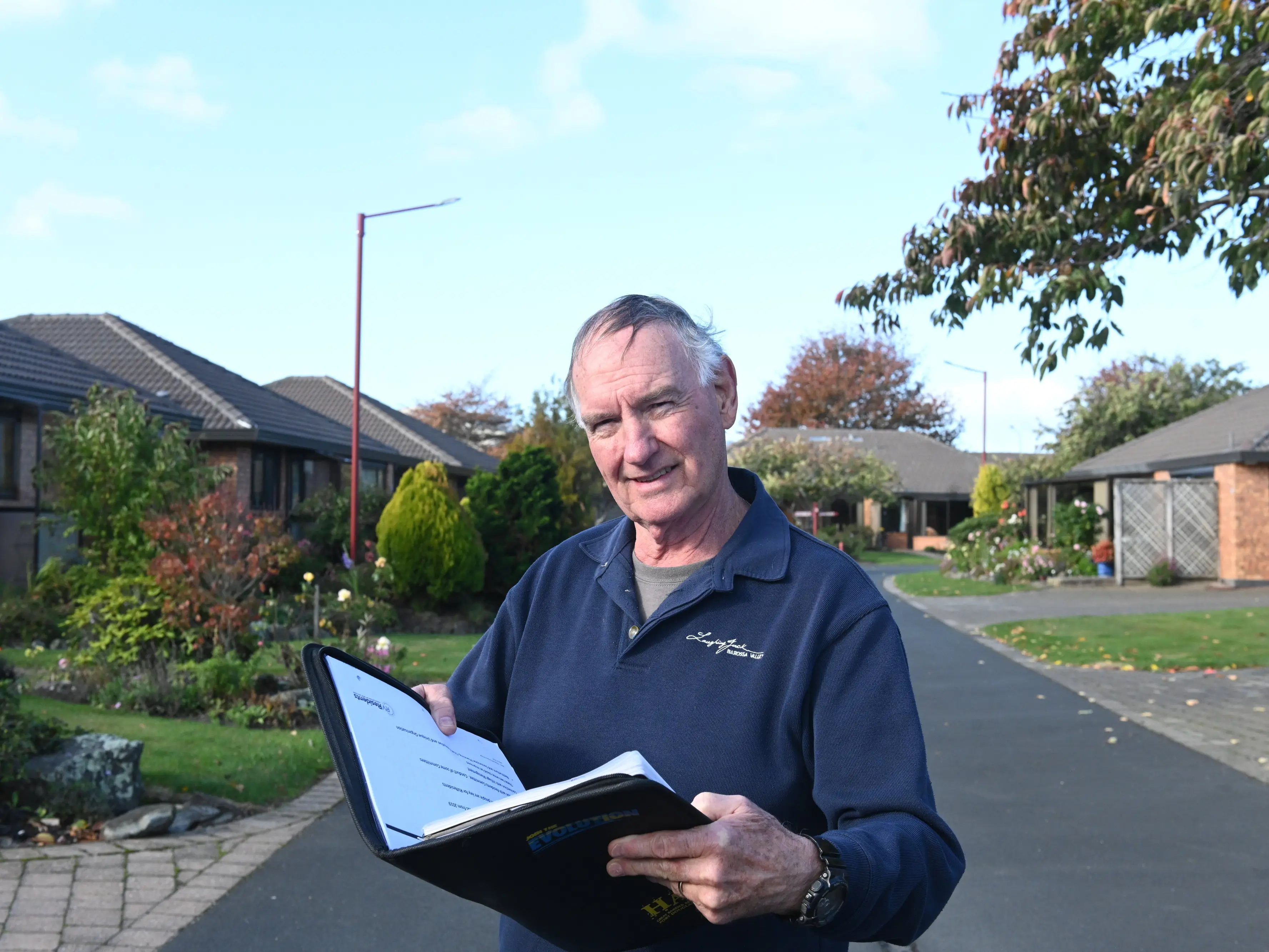
In New Zealand’s retirement village sector, where billions of dollars of residents’ capital is held by operators, a quiet but deeply consequential struggle is under way over who genuinely speaks for residents.
This matters now because the Retirement Villages Act is under review and the decisions now before government will determine whether tens of thousands of existing residents are protected or left behind.
The delayed repayment of residents’ capital is the single most serious injustice in the retirement village sector.
When residents leave a village, or when an estate is involved following death, there is at present no mandatory timeframe for repayment of their capital.
For years, residents and families have been left waiting months, and sometimes far longer, to receive money that is rightfully theirs.
As part of the current legislative review, the Retirement Village Residents Association (RVRA) invested $20,000 of members’ subscriptions to print and distribute more than 50,000 freepost surveys nationwide.
Over 11,650 residents responded.
The results were unequivocal: 89% said repayment should occur within three months, fewer than 0.5% supported waiting 12 months, and almost 90% agreed that any reform must apply to existing residents as well as future ones, with fewer than 1.5% disagreeing.
Despite this overwhelming evidence, the government has decided to introduce a maximum repayment timeframe of 12 months, but only for new contracts entered into after a transition period.
More than 55,000 existing residents will see no benefit at all.
They will continue to have no certainty about when their capital will be repaid.
This decision entrenches a two-tier system in which future residents receive protections while current residents remain exposed to prolonged and unjustified delays.
It also raises an obvious and troubling question: which units will operators prioritise for relicensing in future — those with no mandatory repayment obligation, or those where the clock is running?
For RVRA and its 14,000 members, this outcome is unacceptable.
Adding to public and media confusion is the position taken by a so-called "residents council" established in 2023 by the operators’ group, the Retirement Villages Association (RVA).
While presented as an independent residents’ voice, evidence suggests it functions to strengthen and protect industry interests.
The RVA-established residents council has indicated its comfort with the government’s proposal, despite clear and compelling evidence that residents overwhelmingly oppose lengthy repayment delays.
For almost two years, the council supported a nine- to 12-month repayment timeframe, yet did so without advocating for any protection for existing residents.
As mentioned above by contrast, RVRA conducted a nationwide freepost survey that was transparent, independently verifiable and funded entirely by members.
The contrast in evidence, transparency and democratic legitimacy could not be clearer.
The question facing the government is straightforward.
Should reform be guided by residents who elect and fund their own representatives — or by a body created, funded and curated by the industry under review?
Genuine reform requires genuine independence.
Anything less risks becoming control presented as consultation.
Existing residents must not be left behind.
• Brian Peat is national president of the Retirement Village Residents Association.