
PHOTO
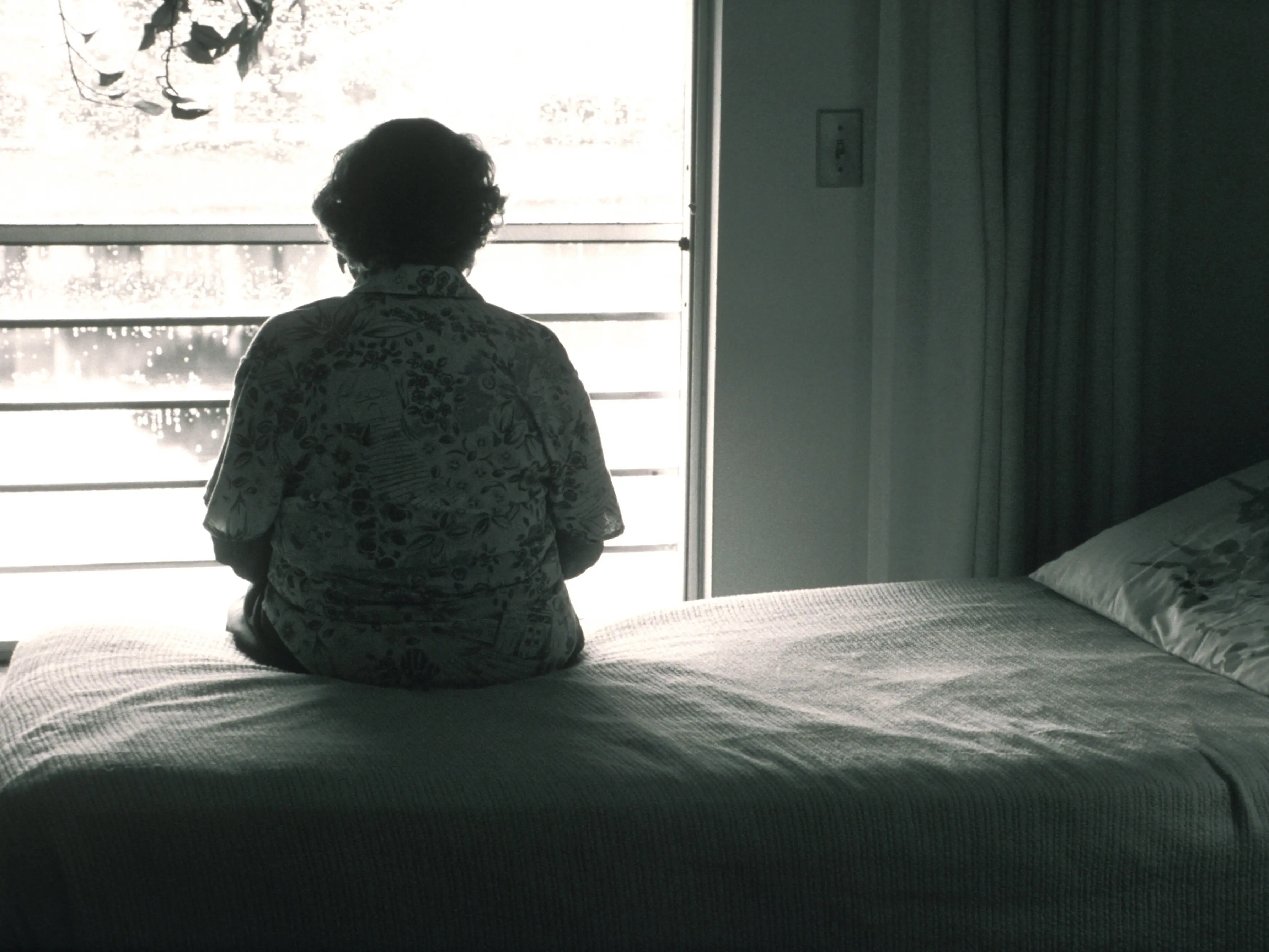
A leading suicide prevention specialist is calling for a significant shift in how New Zealand supports the mental wellbeing of its older population, calling them "the forgotten population in suicide prevention".
Christchurch-based suicide prevention specialist and founder of TaylorMade Training and Consulting, Barry Taylor, has spent nearly four decades working at local, national and international levels in suicide prevention.
"While the rates of suicide in older people remains consistently high, there are very few prevention initiatives specifically targeted at older people. They are the forgotten population in suicide prevention," Mr Taylor said.
"There is not enough awareness of the mental health needs and the prevalence of suicide in older people," he said.
He is deeply concerned that despite consistently high rates of suicide among older people, targeted campaigns and programmes for this age group remain rare.
Mr Taylor said The World Health Organisation has flagged what is coming.
"As the baby boomer generation ages, many will enjoy reasonable physical health, however mental health issues, in particular depression and anxiety, will be the most prevalent health issue. erefore promoting mental wellbeing must be a major focus for those working with older people," he said.
Yet Mr Taylor says the mental health sector has been slow to respond, leaving older people without the dedicated support they need.
"Promoting mental wellbeing must be a major focus for those working with older people," he said.
The pressures bearing down on this generation are significant and varied, he said.
Loneliness, loss of independence, elder abuse, deteriorating health and financial hardship are long-standing concerns. But older New Zealanders are increasingly navigating newer stressors too — romance scams, entering retirement without sufficient savings or home ownership, and geographic distance from children and grandchildren.
But Mr Taylor said he believes the emphasis must be on ageing well and thriving elders.
He wants to see a fundamental shift in how society views and speaks about older people — moving away from a focus on what is being lost, towards recognising the purpose, contribution and connection that remains possible at any age.
He points to Age Concern’s Dignity Champion campaign, with its focus on challenging ageism and celebrating positive ageing, as a compelling model for this approach.
Mr Taylor sees enormous untapped potential in community-based organisations to drive this change, including churches, sports clubs, retirement villages, local government and health improvement practitioners. He argues are all powerfully placed to influence older people’s wellbeing in meaningful and lasting ways.
Social connection is at the core of his message — particularly for communities with significant retired populations, where the death of a partner can mark a sharp and dangerous turning point into isolation.
His vision extends to those nearing the end of life, too. Aged care facilities that embed genuine wellbeing into their care, he said, see residents feel more at peace with both their health and their circumstances.
As a strong advocate for dying well, Mr Taylor has developed a framework of outcomes to support what he describes as "well dying" — and believes a greater wellbeing emphasis should be woven into the assisted dying process as well.
Mr Taylor is facilitating a master class on promoting mental wellbeing in older people on Thursday May 28, at the Cromwell & District Presbyterian Church. Those wishing to attend can register their interest by contacting barry@4wellbeing.nz