PHOTO
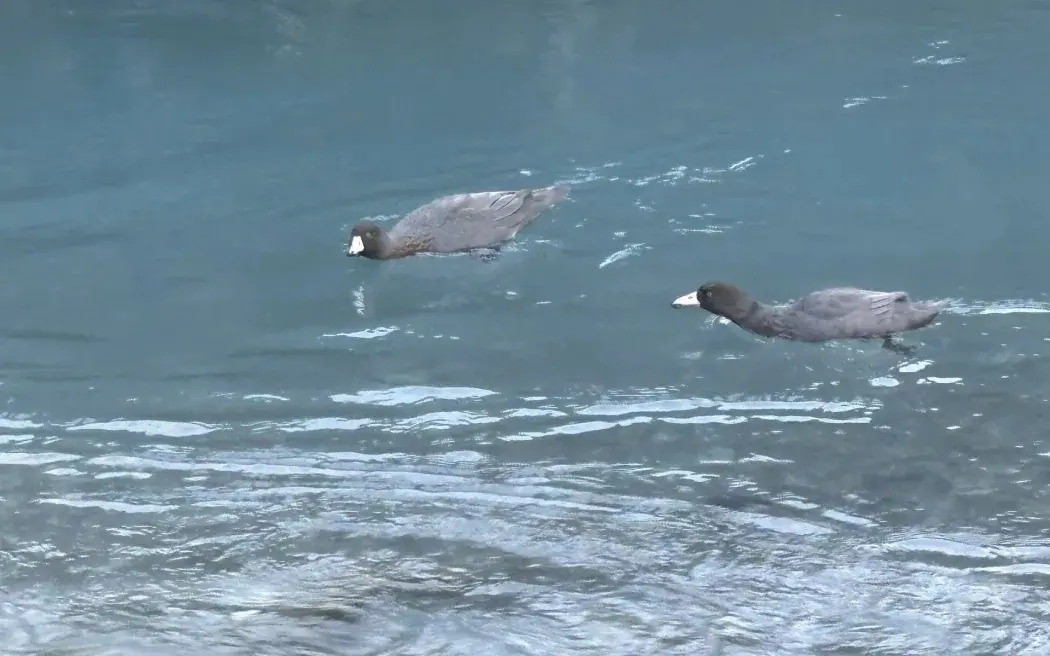
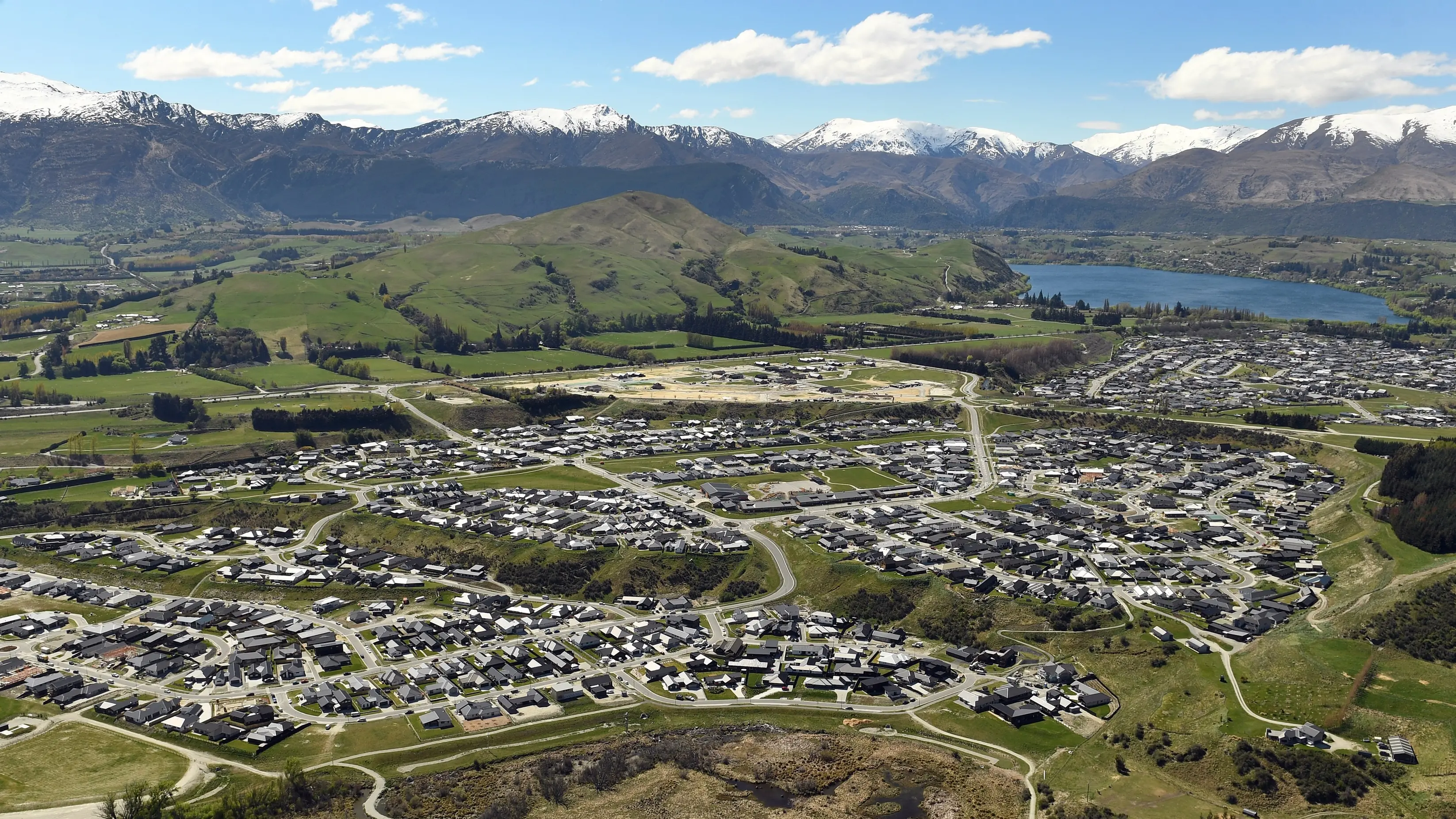
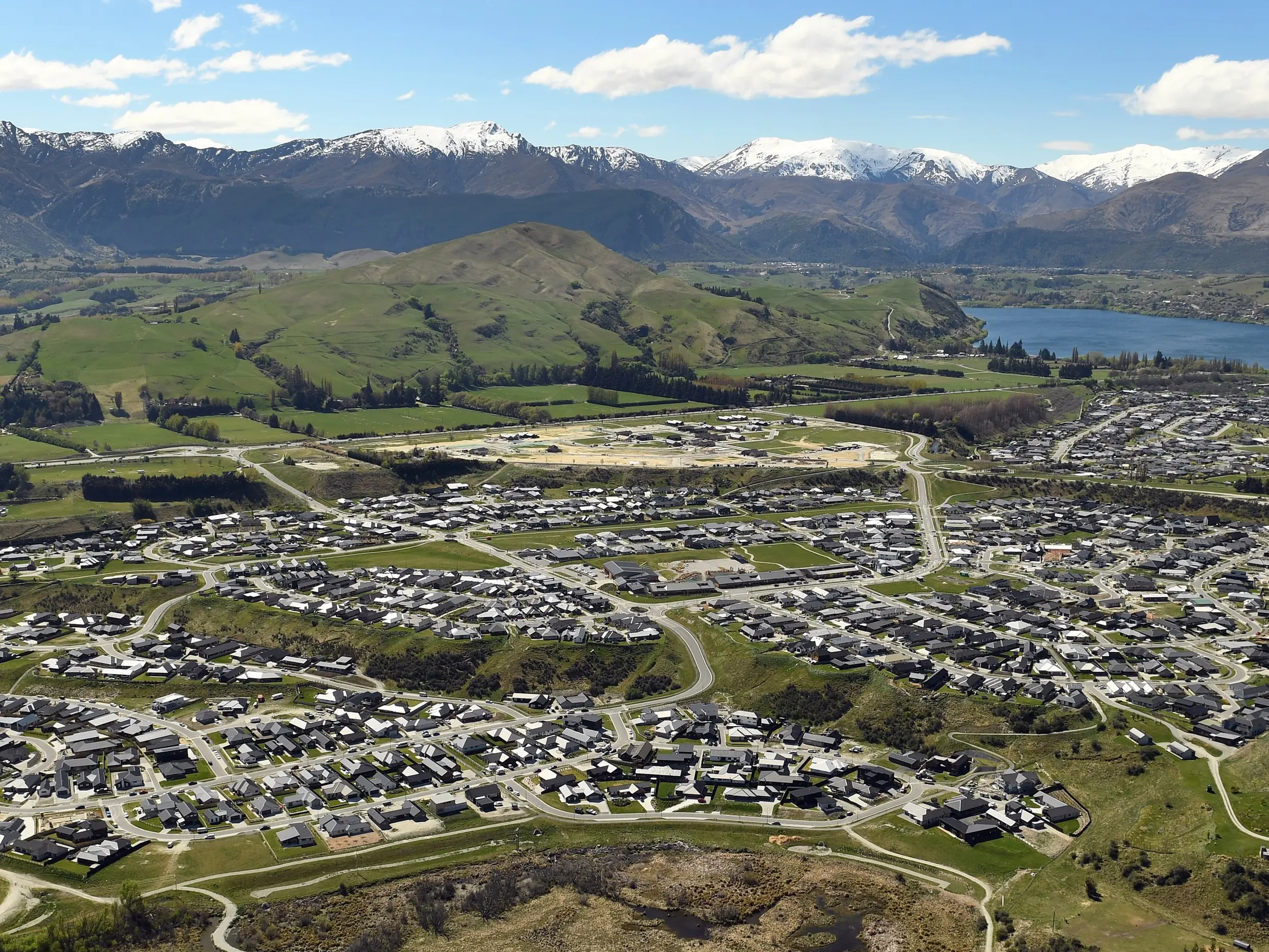
Conservationists in Otago are celebrating the return of whio to the Rees Valley after more than 50 years.
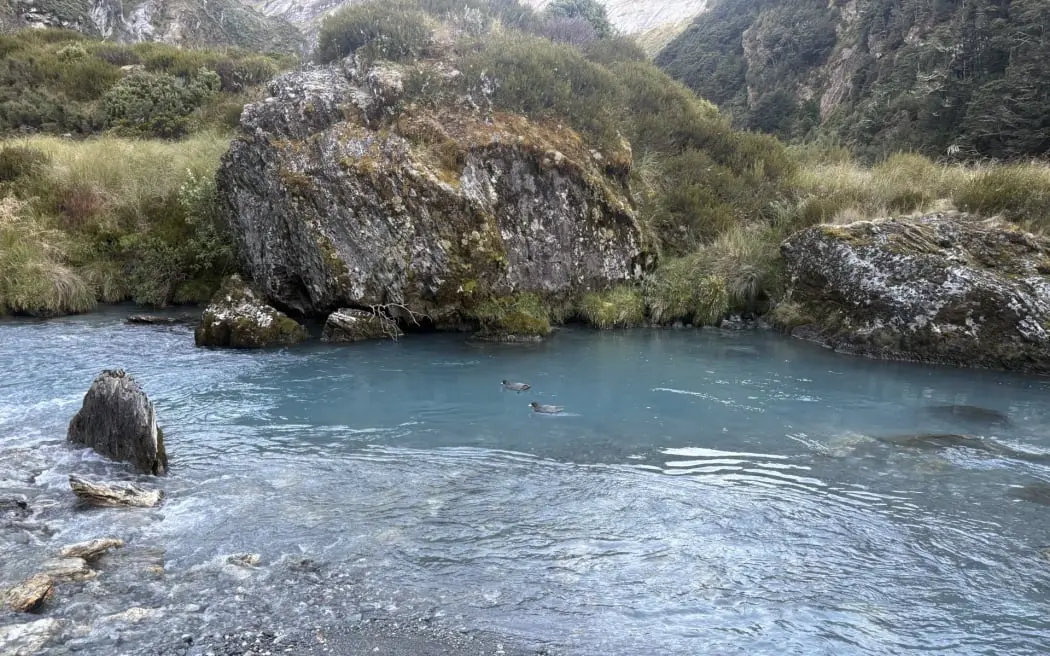
Southern Lakes Sanctuary staff spotted a pair of the endangered blue ducks on a recent trip to install a new trapline in the valley, north of Glenorchy.
Southern Lakes Sanctuary chief executive Paul Kavanagh said the sighting was very significant and exciting following years of predator control work by his organisation, the Routeburn Dart Wildlife Trust, Rees Valley Station, Ngāi Tahu and the Department of Conservation.
"Our staff were lucky enough to be watching a pair of takahē feeding beside a pair of whio on the river. It's so exciting and I guess it's validating for the work we've been doing in partnership with many people for quite a long time," he said.
"This why we do this sort of mahi, so we're absolutely delighted."
Takahē were released in the Rees Valley last year but the whio had returned of their own accord, Kavanagh said.
"Whio are really good indicators of healthy waterways but also the threats that face whio are the same that face takahē and the same that face kea, so the work that we're doing to protect takahē do have that kind of cascade impact," he said.
Iris Scott, who has lived at Rees Valley Station for more than 50 years, said it had been a personal dream to see whio return.
"I remember seeing them when I first started farming here in the 1970s," she said.
"Seeing whio again is beyond what I'd hoped for."
The return of the river birds followed that of the western weka last year, which also had not been seen in years.
Southern Lakes Sanctuary trustee Estelle Pura Pērā-Leask (Ngāi Tahu, Whakatōhea, Ngāti Ruanui) said the return of the native species was of deep significance to mana whenua.
"For Ngāi Tahu the return of species like whio reflects the restoration of relationships between people, whenua and waterways and the responsibility of kaitiakitanga to protect them for future generations," she said.
Kavanagh said conservationists hoped the whio would draw others to the area though it was too early to know if the whio were a breeding pair.
Whio were vulnerable to stoats and the new trapline in the alpine - consisting of 50 traps - would play a key role in protecting them, he said.
"Our conservation efforts, it just has to keep going. You can't take your foot off the gas so hopefully this pair of whio stay in the area, others naturally return and we get a breeding population of whio soon."