
PHOTO
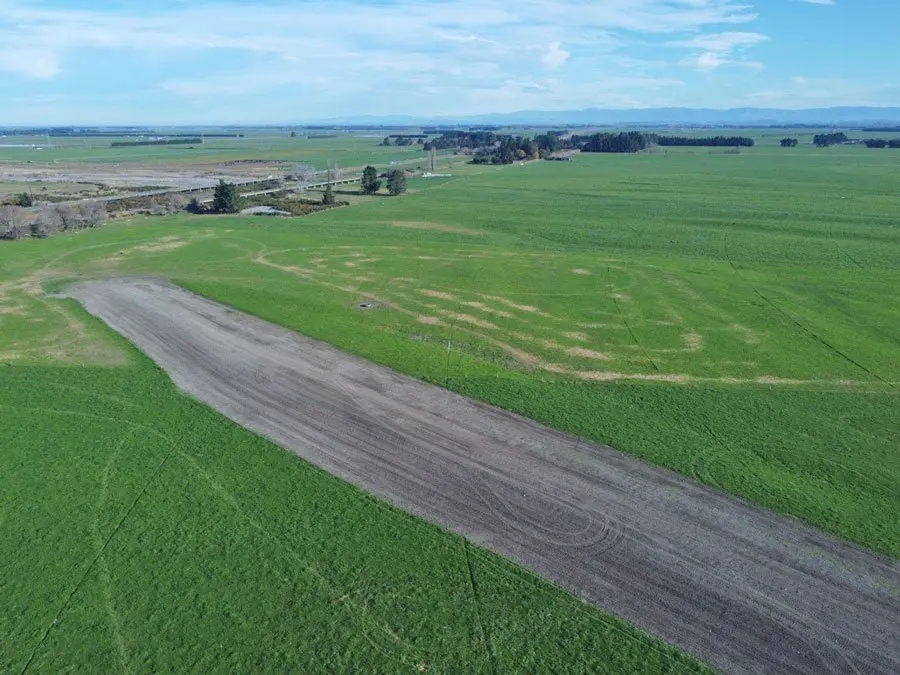
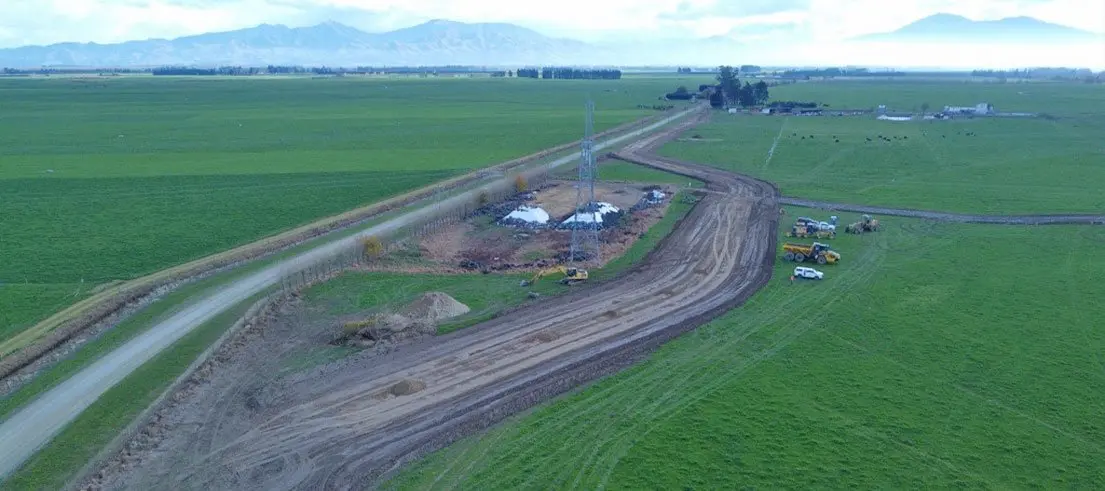
Canterbury Regional Council (Environment Canterbury) has begun construction on three new stopbanks designed to contain flows to the south branch of the Rangitata River during floods.
The south branch is a natural flood pathway for the Rangitata River and is expected to take the overflow during large flood events.
In 2019, floodwater broke out of the south branch and spread across surrounding land, causing widespread damage to flood protection infrastructure, farms, roading, rail, electricity supply and other assets.
The new stopbanks are part of ongoing work to improve flood resilience along the Rangitata River and better manage how water moves through the river system during high flows.
In a statement, community preparedness and response to hazards core service lead councillor Ian Mackenzie said Environment Canterbury had a responsibility to take a long-term, system-wide view of flood risk across the Rangitata.
"This investment reflects the regional council and central government’s commitment to managing that risk in a structured and planned way — ensuring the river can function as intended during major events while protecting communities, critical infrastructure and livelihoods into the future.
"Through co-funding, we're able to deliver major projects like this sooner. It’s important work that relies on local expertise and experience to get right."
Since 2019, extensive work has been done to repair damage and strengthen flood protection along the Rangitata River.
This has included reinforcing and stabilising stopbanks, large-scale planting to support bank stability, protecting key sites like the Peel Forest landfill and clearing debris and vegetation across the riverbed.
More than 260ha of weed control has also been completed across the catchment.
This latest phase of work, which consists of 3.1km of new stopbank along the south branch of the Rangitata, is supported by $3 million of co-funding through the government’s Regional Infrastructure Fund (RIF), which covers 60% of the cost.
The remainder is funded by the council and construction is expected to be completed this winter.
Investigations into options to improve flood resilience around Arundel Bridge are under way and vegetation clearance will start soon to improve channel capacity and flood flows.
This Rangitata and Arundel work is part of a wider flood protection programme Environment Canterbury is delivering across South Canterbury.
Projects are under way on the Ōrāri, Ōpihi, Waihi and Pareora rivers, including stopbank work, vegetation clearance to improve flood capacity and planting to strengthen river berms.
Work has started on a project to realign the Waitarakao/Washdyke stopbank and drain inland, helping protect it from coastal erosion and rising sea levels, as well as creating extra room for flood flows.
More recently, work has been completed on the Ōrāri River northern stopbank between SH1 and the KiwiRail line to restore its structural integrity and ensure continued flood protection.
These projects are co-funded through the RIF, which is administered by Kānoa — Regional Economic Development and Investment Unit.
Through the RIF, the government has committed to investing $31 million into river resilience projects in Waitaha Canterbury between 2024 and 2029. — Allied Media