
PHOTO
Contact Energy and Meridian Energy are testing the waters with a plan to make New Zealand the world’s first large-scale producer of green hydrogen.
The electricity generation companies are now looking for potential large consumers, producers, and associated service providers of the low carbon fuel to register their interest with Southern Green Hydrogen a joint project by the electricity generation companies.
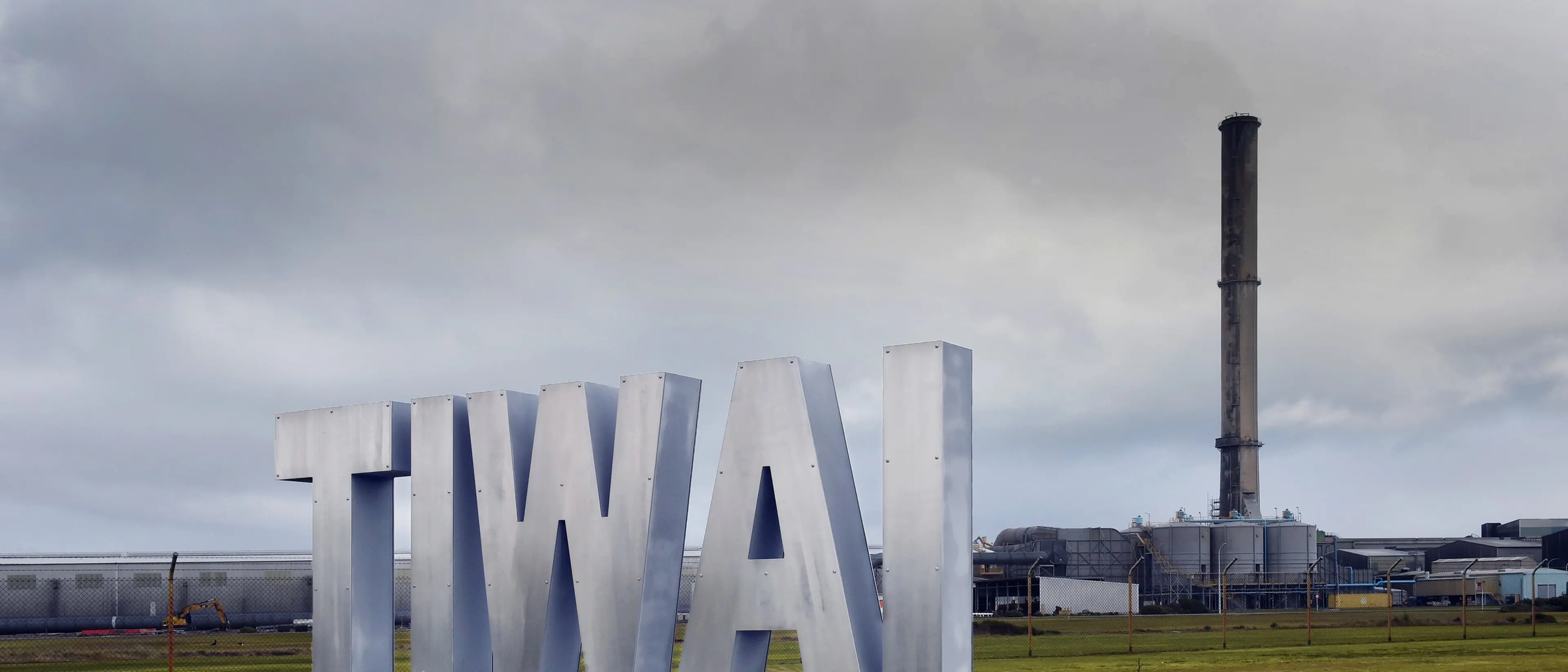
It is investigating the use of renewable energy at Tiwai Point, in Southland, to produce green hydrogen at scale, once the supply agreement with New Zealand Aluminium Smelters finishes at the end of 2024.
A market review as part of that project has concluded major international demand for green hydrogen is imminent.
It estimates global demand could increase more than seven times by 2050.
It says the renewable electricity potentially available from January 2025 presented an early opportunity to take a position in this market.
And it says the existing renewable electricity generation was likely to create a long-term cost advantage.
Meridian Energy Chief Executive Neal Barclay said developing a "hydrogen economy" based on large-scale production in Southland could deliver significant decarbonisation, economic and energy independence benefits for New Zealand.
“Our renewable energy gives us a valuable head start and competitive edge as markets for green hydrogen develop.
"Early, large-scale production will allow us to build a domestic hydrogen supply chain and kick-start demand around the country.”
Economic benefits outlined in the report for a 600 megawatt green hydrogen export facility include a one-off addition of up to $800 million to New Zealand’s GDP and the creation of thousands of jobs in construction, as well as up to $450 million and hundreds of additional jobs on an ongoing basis.
Contact Energy CEO Mike Fuge said green hydrogen production would also support New Zealand’s transition to a 100% renewable electricity generation system.
“This can be achieved by reducing hydrogen production when the country’s hydro lakes are running low, allowing electricity to flow back into the national grid to support local homes and businesses."