
PHOTO
After an 18-month consultation and planning process, the Queenstown Lakes 10 Year Plan (2021-31) was formally adopted on Wednesday although some questioned its relevance.
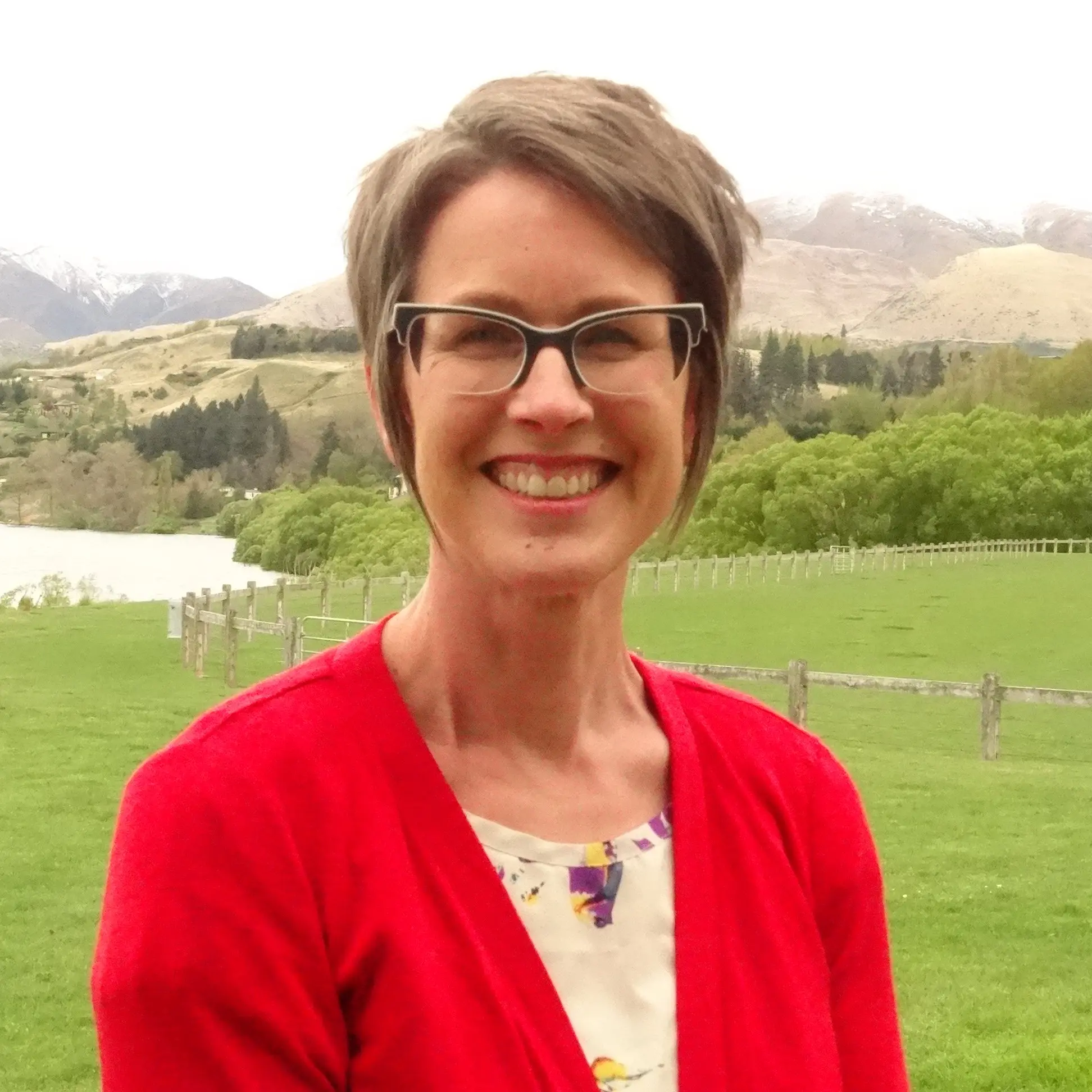
Councillors Nikki Gladding (Queenstown-Wakatipu) and Niamh Shaw (Wanaka) did not support it while newly elected councillor Esther Whitehead (Queenstown-Wakatipu) abstained from voting. The eight councillors who voted for the motion acknowledged the stretch the council was facing in the Covid-19 economic climate and said more work should be done on the long-term vision.
Calum MacLeod, Quentin Smith (both Wanaka), Valerie Miller, Penny Clark, Craig "Ferg" Ferguson, Glyn Lewers (all Queenstown-Wakatipu), Heath Copland (Arrowtown), and Mayor Jim Boult voted in favour.
The long-term plan drew public 504 submissions, equating to 1.237% of the usually resident population.
The council scheduled two full days of hearings so 84 people could speak to their submissions.
As a result of that process, several changes were made to the plan, including bringing forward an $5 million active travel project for Wanaka, adjustments to Queenstown Airport Corporation finances, and additions to the climate change budget ($200,000) and community grants budget ($1.1 million).
Wanaka and Queenstown will each receive a new community facility and Queenstown will also get a new arts hub at Remarkables Park.
Corporate services general manager Meaghan Miller said the plan would result in an 4.4% average annual rates increase over 10 years. The average rates increase for the next financial year is 5.45%, up from the original 4.56% increase consulted on in March and April.
The increase reflected the response to the submissions, Ms Miller said.
Cr Shaw noted the scale of the plan and said she was grateful it had been modified.
However, she felt it "should have been visionary but it wasn’t".
She wondered if it was even valid, given the challenges of Covid-19, and she would not be supporting it.
Cr Gladding said she would have liked to have seen a different type of pre-consultation over the plan’s "big issues".
Most of the things she was concerned about sat outside the programme for the next three years.
If the plan passed, she wanted to make sure the climate change funding was spent wisely, she said.
Cr Whitehead said she had researched the agenda but because her training was incomplete she had to abstain from voting on some items. Cr Clark acknowledged it seemed incomprehensible to lock in place what would happen for the next 10 years, but pointed out the long-term plan process had to be repeated every three years.
She acknowledged Covid constraints had pushed the council’s chief financial officer Stew Burns and some projects had gone on the backburner.
Cr Ferguson said said the plan was a "Herculean task". He too was concerned about its scale.
He wanted to see more done for the district’s smaller communities and questioned whether the plan did enough to acknowledge health and wellbeing.
Cr Smith said he had been "obviously critical" of the plan, which he felt had ignored active transport planning, new sports facilities, and climate change.
He acknowledged work had been brought forward, and there was now "a mountain of work" to be done in the Upper Clutha region, so he could "tentatively" support the plan.
- By Marjorie Cook