
PHOTO
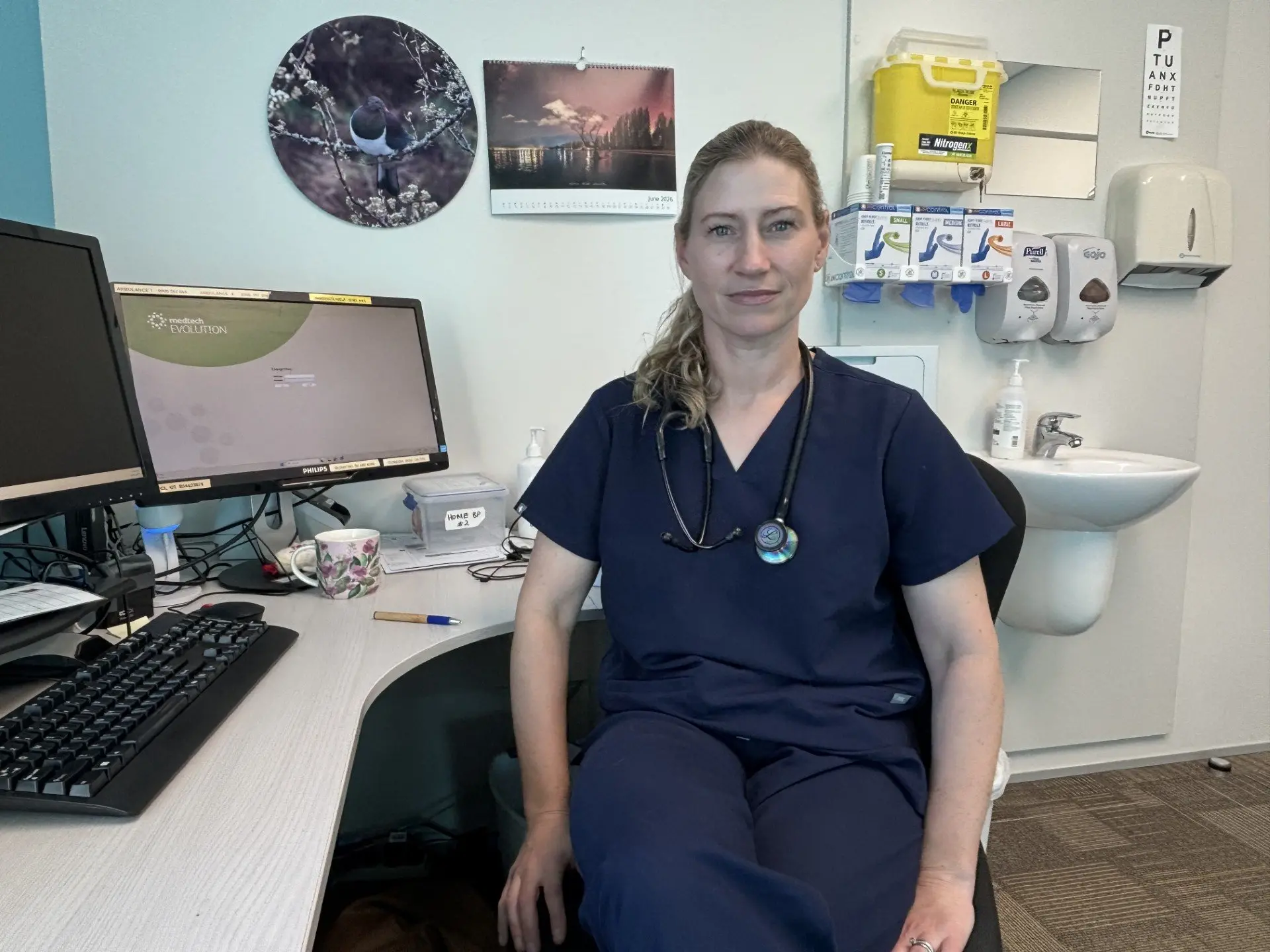
Wānaka could be left in the ‘‘scary’’ position of having no after-hours treatment if massive cuts to funding go ahead, a GP says.
Under the changes to primary care funding, Wānaka has been reclassified as a first tier rural area due to its increased population.
The new category meant rural funding for general practices in Wānaka would be reduced by 70%.
In response to questions from the Otago Daily Times, Health New Zealand Te Whatu Ora (HNZ) said there should be no reductions in services because the affected practices would be given transitional funding.
However, the general manager of a medical centre in Wānaka said that funding would not be adjusted for inflation and they would be left in the lurch when it ran out in four years’ time.
Aspiring Medical Centre GP Dr Fiona MacLean said the changes would have a massive impact.
‘‘[In Wānaka] there’s no hospital services, there’s no emergency department at the GP practices, we are it.
‘‘We see some really serious and complicated cases during the day, after hours and at weekends.
‘‘Our rural funding, which supports after-hours services including weekends, has been reduced by approximately 70%, alongside a proposed 11% decrease in capitation and ongoing freezes to other income streams.’’
Dr MacLean said potential impacts of the changes included, reduction or loss of after hours services, increased pressure on emergency services, reduced capacity to meet population growth, workforce challenges ... and potential loss of services.
‘‘As a person in the community, the thought of what this means as far as the ability to provide urgent care and emergency care for our community, it’s really scary,’’ she said.
Aspiring medical general manager Caroline Stark said while the population had grown, supportive health services had not.
‘‘They acknowledge that there’s an impact, they’re redistributing the rural funds and capitation nationally and there’ll be winners and losers from that...
‘‘What that doesn’t consider is that over that four-year term, we continue to experience inflationary costs, wage pressures, rent increases, all of our overheads continue to increase, but we’ve got no mechanism to adjust for those.
‘‘We won’t be able to continue to meet competitive wage costs, let alone pay our own bills and ensure that the community still has [an] appropriate level of care.’’
Across the Wānaka area, the three practices were upwards of $750,000 worse off, Ms Stark said.
HNZ acting director funding, community and mental health Martin Hefford said it was engaging with the primary care sector on proposals for changes to funding in the coming year.
‘‘The overall package includes additional funding of over $120million per year.
‘‘One of the proposals is to implement a new nationally consistent rural funding formula, as recommended by a rural working group.’’
The new formula would redistribute rural funding. he said.
‘‘But the package included additional funding so every practice received at least 4% more than their current funding in the year from July.
‘‘Under the proposal no practice would lose funding in the coming year, hence we do not expect any service reductions, the proposals are also not yet finalised as they are subject to feedback from the primary care sector,’’ he said.
In a media statement Health Action Wānaka said it was deeply concerned about proposed changes to GP capitation that would adversely impact health services in Wānaka and the wider Upper Clutha community.
‘‘A reclassification of the area under the Geographic Classification for Health would reduce funding to local GP practices, with real consequences for our community, including fewer locally available services and more people forced to travel out of the region for care they currently receive at home.
‘‘If the new funding model is adopted, local practices will have insufficient funding to continue delivering the after-hours service currently available from 6pm-11pm, seven days a week, with weekend clinics.
‘‘This service could cease as early as July 1,’’ it said.
Health action Wānaka called on HNZ to reclassify Wānaka as a second-tier rural area to ensure Upper Clutha residents could continue to access publicly funded health services locally.
Under the proposed reclassification Wānaka would be in the same category as Ashburton, a town with a 75-bed hospital and a 24-hour acute admitting unit.