
PHOTO
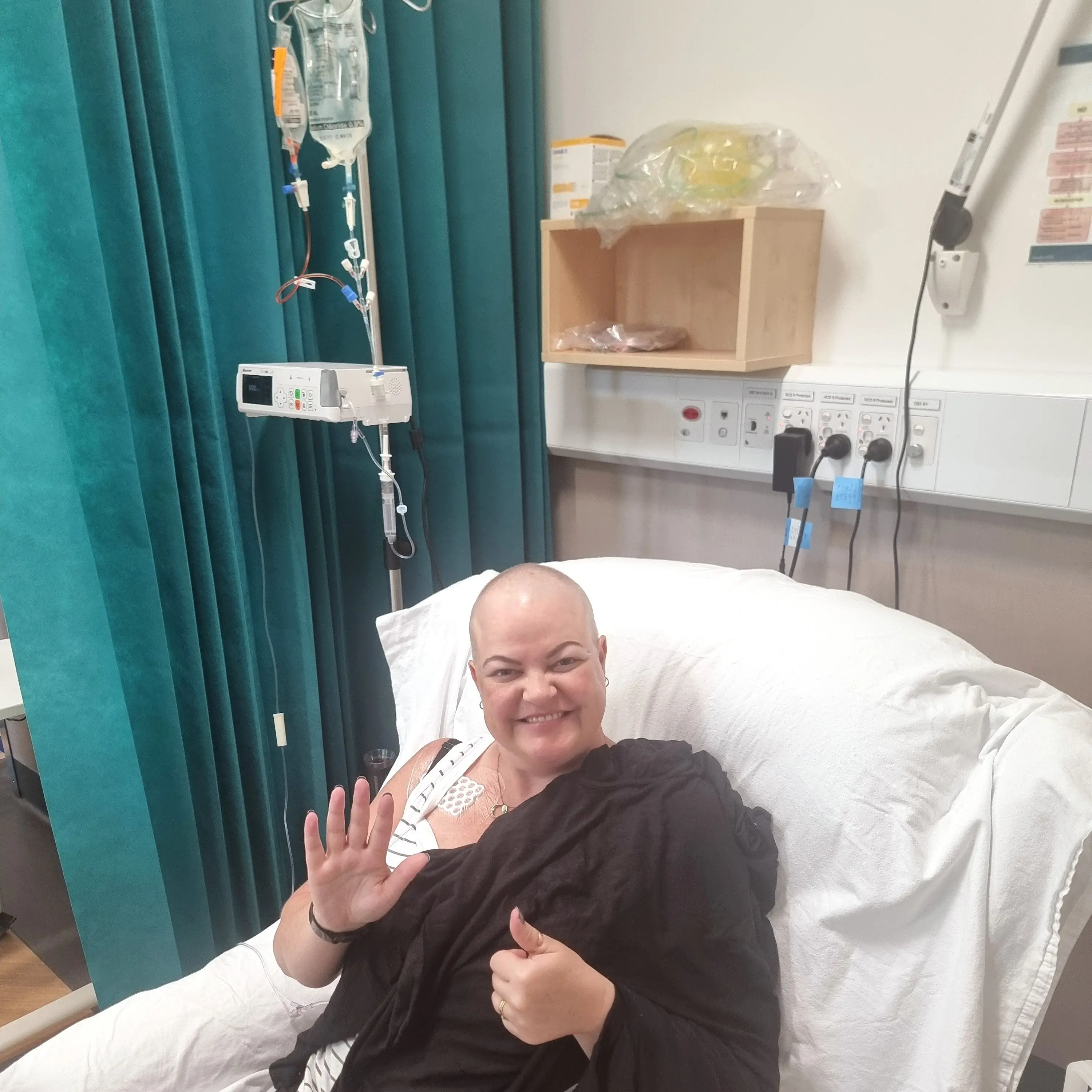
Cancer strikes at any moment. It does not discriminate on character, age or fitness.
For Hāwea woman Angela Lines it hit at the most unlikely time. She thought she was in the ‘‘not me’’ category after a mammogram in late June in 2024 showed no signs of cancer.
But eight weeks later after ankle surgery she found a lump in her breast.
‘‘Initially, I was like, nah, I’m not going to do anything about it. Because I had a mammogram on the 26th of June.
‘‘That was only eight weeks earlier.’’
But the nagging thought — her mother had experienced breast cancer — would not go away so a couple of days later she rang her medical centre, expecting to be told she should not bother.
The nurse insisted she come in and that soon moved to an ultra-sound which found her lymph nodes were swollen.
‘‘I knew ... just had that gut feeling that this isn’t good.’’
Mrs Lines, who will turn 48 in August, got in touch with her mother’s surgeon in Invercargill, Paul Samson, who saw her the next Saturday.
That led to an MRI and biopsy in Dunedin which discovered a 41mm tumour in her lymph nodes — stage 3, grade 3 breast cancer.
A PET scan showed the cancer had not spread past her lymph nodes.
That news was delivered at the end of October and eight days later she had her first of eight rounds of aggressive chemotherapy.
‘‘After my first dose, I was incredibly sick to the point where they had to reduce my chemo down to 80% because it was just starting to affect my liver too much.
‘‘It’s funny. We think of chemo and I assumed that you would feel sick straight away. But no, because you’re put on steroids for the first few days you feel good. You feel like you’re on top of the world.
‘‘Then you come crashing down with a thud and that’s when the nausea, the fatigue, all that yucky stuff. And I didn’t know that it affects my teeth, my skin, my eyes, my joints. It’s a gift that keeps on giving.’’
They were dark times.
‘‘At about round three, we’d just had Christmas. I was in the depths of hell then. I was struggling mentally. Physically, I was struggling.
‘‘You think, I’m not even bloody halfway yet. What am I going to do? Once I hit that four-round mark, it’s like, I’m halfway to getting this part over with.’’
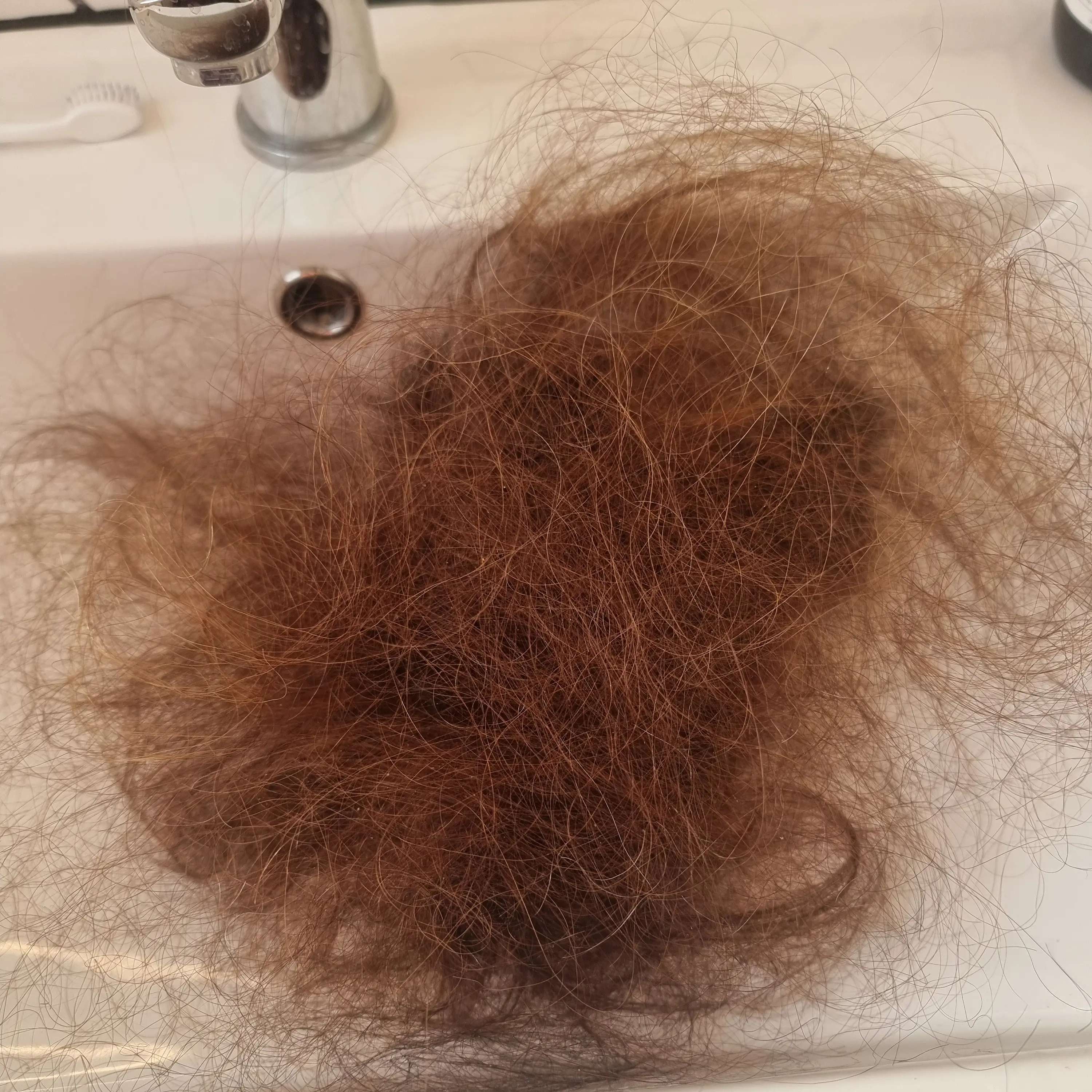
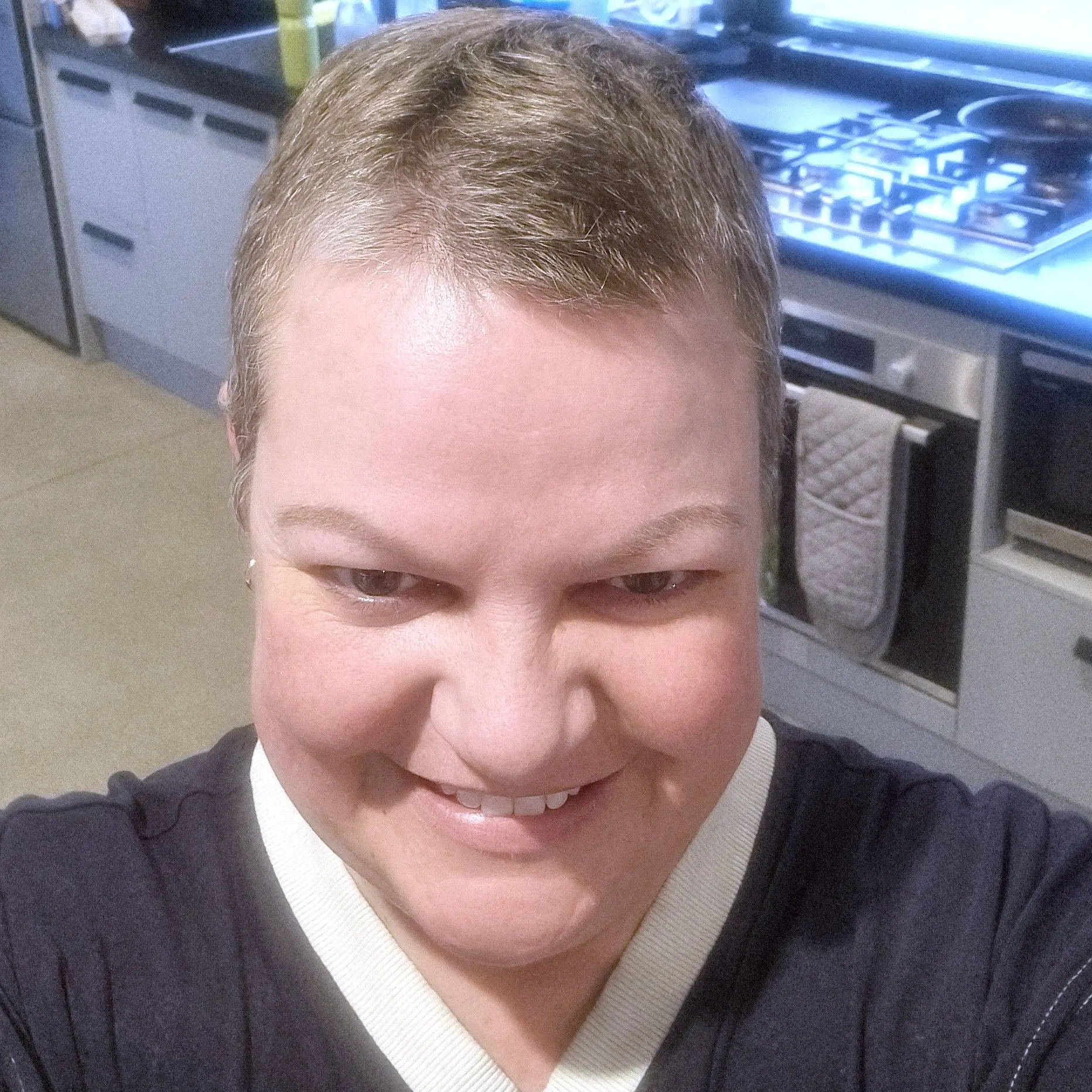
Her hair was long gone and it was one day at a time.
‘‘You’ve gone through eight rounds of shit, and then you find out if it’s worked, if it hasn’t worked, has it grown, has it spread. So they did the MRI and they could see that it had reduced. So I was lucky.’’
It showed there was 0.6mm left in the breast and 0.6mm in the the lymph node in her armpit.
That was cut out when she had a double mastectomy. Then it was back to another 16 rounds of chemotherapy, some of it at a higher rate to get rid of the last of the cancer.
‘‘Then they threw in some radiation in between rounds of chemo, because they really want to blast your body.
She treated the burn with some special cream.
The rounds of chemotherapy occurred right through last year — every 21 days and she had her last one on March 11 this year.
‘‘I think I tried to stay really positive throughout, especially those eight first rounds, it was really tough.
People said to me, oh, your mindset’s very strong and very positive. And I said, I’ve got to be, because if I let my head get into how bad it can be, I’d be rocking in the corner.
‘‘Some people would ask, you know, quite negative things, and I’ll be like, look, I’m treating this as one event and I’m done.
‘‘This is my only time I’m going to get cancer. The fear of recurrence is real, and I think about it multiple times a day, but I can’t put energy and time into it because I need to focus on being as healthy as possible and just keeping that positive mindset.
‘‘It’s been the toughest experience of my life, and one I don’t wish on anybody, but it’s just, you know, once you’re in it, you don’t realise there’s so many young people getting it.
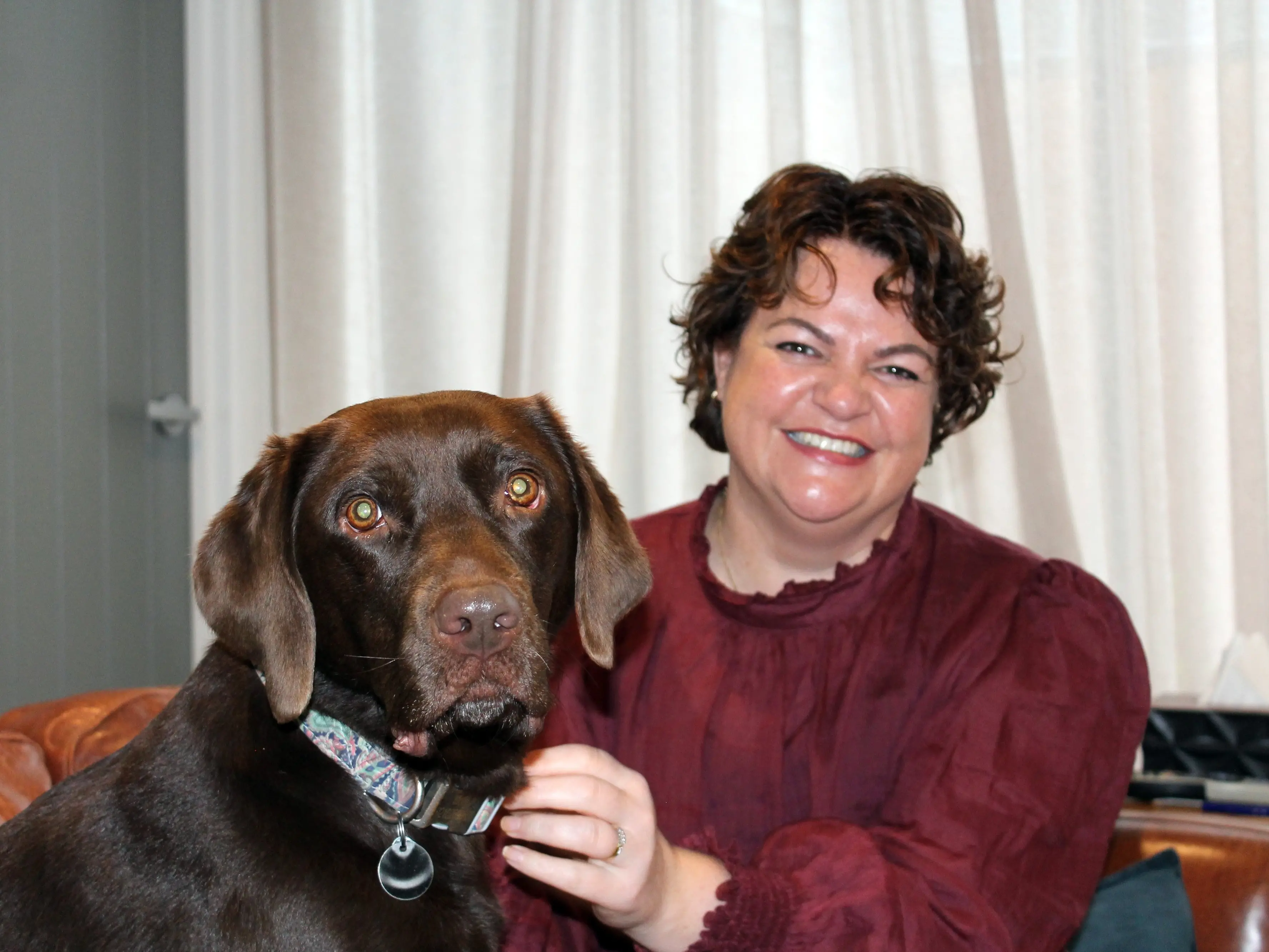
She gave credit to all those who helped her, especially her loyal dog Molly, and the work done by Cancer Rehabilitation Foundation (Pinc & Steel)
The group had been leaders in cancer rehabilitation in New Zealand since 2005 and helped more than 4500 cancer patients in the past year alone. Pinc & Steel provide tailored physical, emotional, and social support to maximise recovery and enhance future wellbeing.
The programme is funded through the Dry July platform.
She had got fitted for treatment for lymphedema with compression sleeves and through that linked with a group for a six-week Pilates class.
‘‘That’s where I did six weeks with five lovely cancer warriors.
‘‘I think of chemo and what they show in the movies and TV that everyone sits around and they’re talking and chatting. It’s not like that. In chemo, you’re in your only world.
‘‘You’re not really communicating with people around you. So by doing the Pilates class, we were focusing on exercise and getting our life back that way. But you were chatting about your experiences and what you still had to go.
‘‘It was the first time in my journey that I felt I had a community that knew what I was going through. And I think, to be fair, it was the best thing that could have happened to me. And I’m really appreciative for Pinc and Steel doing it for us.
‘‘And it’s made such a huge impact on my life. It’s just been really good for me.
‘‘We were doing something physical. And if people wanted to talk about it, they could. So it made it a really informal way to talk about these things.’’
She has now reached the ‘‘ned’’ stage — no evidence of disease — with a check-up every three months with her surgeon and an ultrasound.
Mrs Lines has to watch what she eats and drinks — no alcohol, of course.
She and husband Glenn have no children.
She knows she is not fully out of the woods but she is looking forward.
‘‘The feeling now is, you know, you want to celebrate, but there’s that fear there, and I think that fear will be there forever. My husband and I try to do some more normal things, you know, do a wee weekend away here and there.
‘‘My energy levels and stuff are still pretty average. But yeah, it’s just, don’t sweat the small stuff now. Don’t stress over silly things, because at the end of the day, it actually is not a big deal.’’
Personal connections driving NZers to go dry for July
EVERY 22 minutes, someone in New Zealand is diagnosed with cancer. In July alone, more than 2200 Kiwis will hear that news.
Next month, New Zealanders are being asked to go alcohol free for 31 days and raise funds to support people affected by cancer, at a time when demand for support services is increasing across the country.
Dry July began in 2008 when three mates stopped drinking for a month to support a loved one going through treatment. Nearly two decades on, the idea remains simple. Choose your person, go Dry for them and raise funds in their name.
Dry July chief executive Gillian Odbert said the personal connection is what drives people to sign up.
Funds raised through Dry July support three New Zealand frontline charities, Look Good Feel Better, Prostate Cancer Foundation of New Zealand, and Cancer Rehabilitation Foundation (Pinc & Steel), delivering programmes and services across the country.
This includes rehabilitation programmes to rebuild strength after treatment, exercise and recovery classes, counselling services and wellbeing support that helps people regain confidence and independence.
‘‘These services are often the difference between someone simply getting through treatment and someone getting their life back,’’ Ms Gillian said.
Dry July raised more than $750,000 last year, and since launching in New Zealand in 2012, more than 84,000 have taken part, raising more than $11million.
Kiwis can sign up as individuals, join a workplace team, or take on the challenge with friends.
Registrations are now open: www.dryjuly.co.nz.