

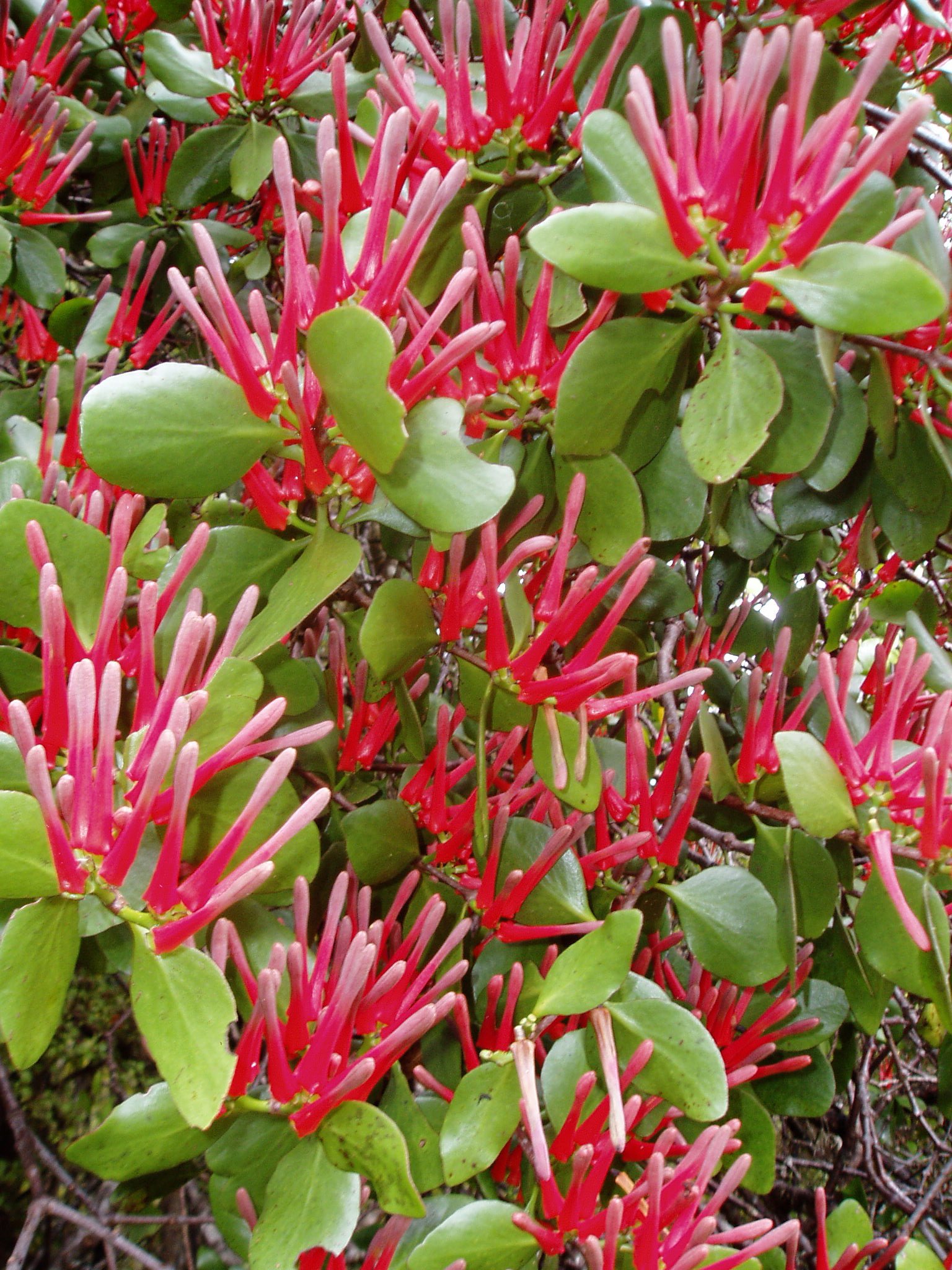
Recent analysis of long-term monitoring shows low possum numbers in a South Westland valley are leading to more native mistletoe.
This summer, intrepid visitors treading in the remote Hope River valley can see scarlet, red and yellow mistletoe, the Department of Conservation said in a statement.
As well as being a mark of Christmas, New Zealand’s mistletoes provide nectar for forest birds and geckos. They are semi-parasitic plants, living on host trees which provide them with nutrients, that also photosynthesise some of their own food.
Doc South Westland operations manager Wayne Costello said New Zealand mistletoes flower between December and January but were under threat from possums.
"Mistletoe is a highly preferred food for possums — often considered the "ice cream" plant for this introduced species," he said.
"The results of monitoring suggest that management of possums in the valley with aerial 1080 has been successful in maintaining healthy populations of possum-sensitive tree species. Mistletoe is an indicator species, which means that if it’s doing well, other species in the forest are also likely in good health.
"It’s awesome to see predator control is paying off in the long term — the results give us confidence we are making a difference."
Mistletoes were once widespread in New Zealand beech forests. However, due to possum browse, they are now absent from many forests.
Possums arrived late in South Westland compared to the rest of New Zealand, which is why in the 1990s, when pest control using 1080 began, there was still a population of mistletoe to build on.
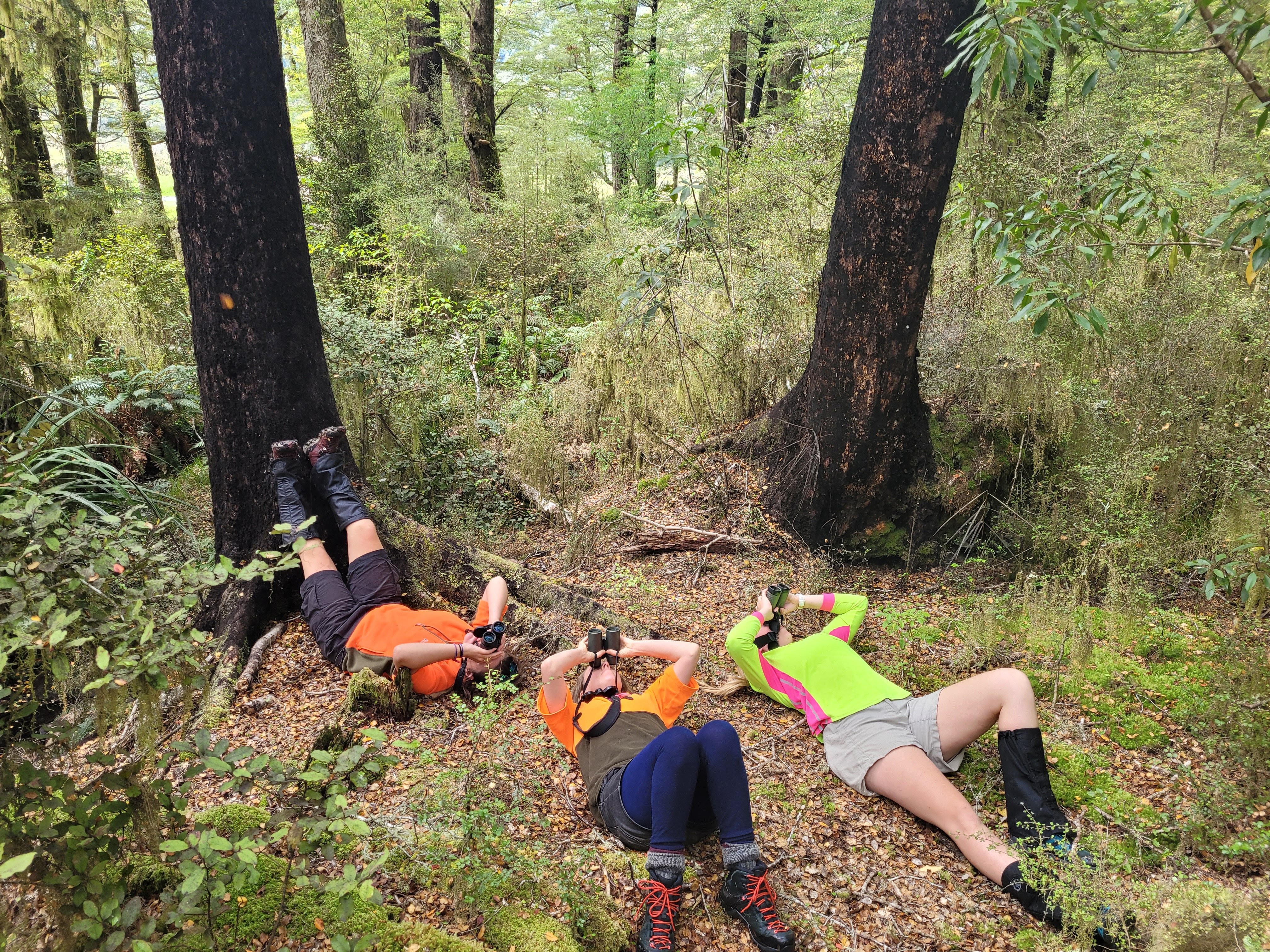
Finding mistletoe can be difficult, so rangers lie or sit at a variety of angles around a tree to search it for specimens.
It is a two-ranger job, one searching and the other recording and also searching. — Allied Media


