
PHOTO
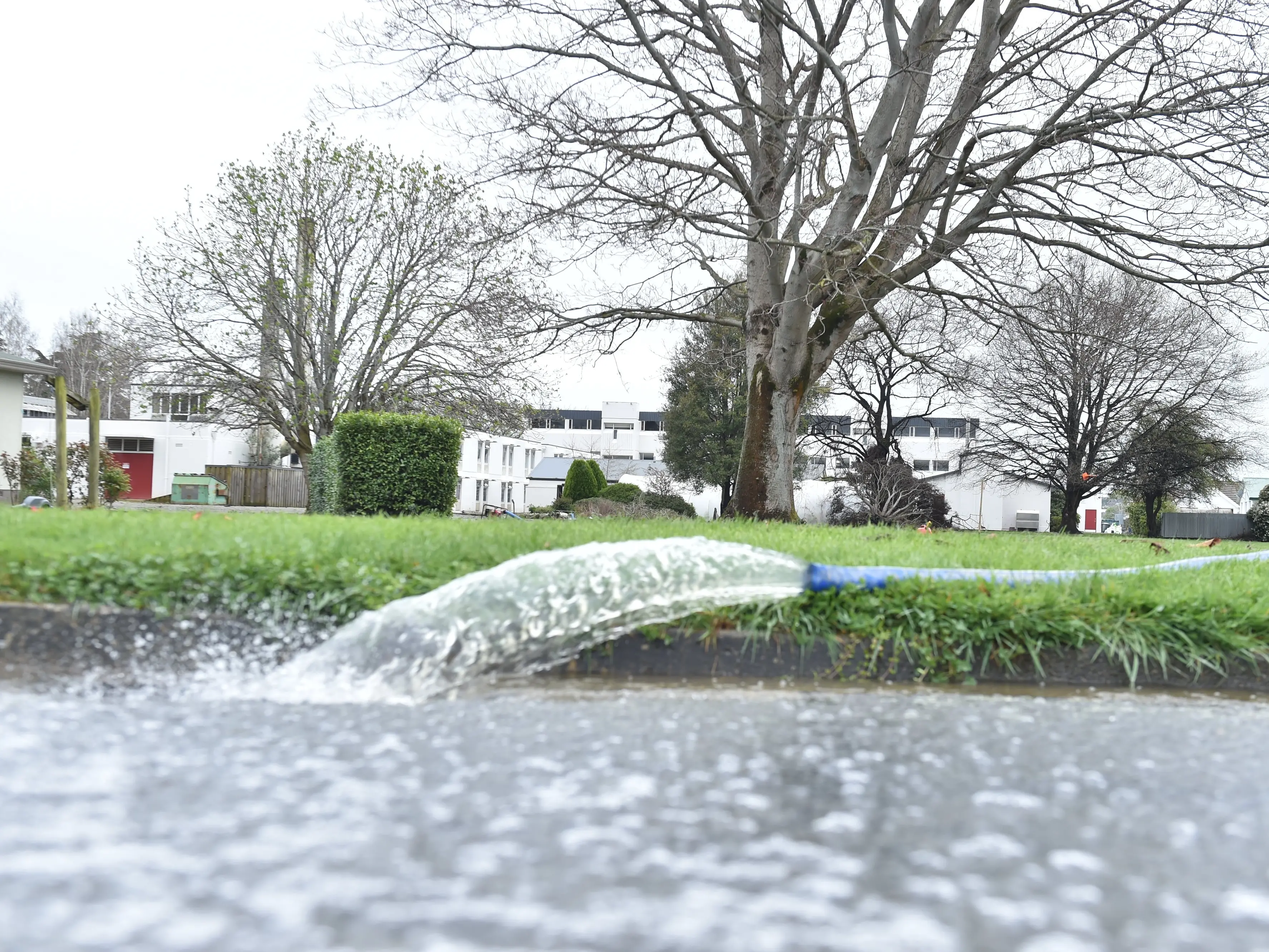
A southern council fears the government’s proposed rates capping will impact flood protection in the region.
The government in December announced a plan to cap annual rates increases at 2% to 4%, saying it would lighten the load for households.
But the move has received push-back from some authorities, including Environment Southland, which raised issues with biosecurity, deferred maintenance, flood protection and higher costs in the future.
The regional council told the Department of Internal Affairs this month it supported the intent behind the proposed model, and a rate target was preferable to a hard rate cap or cap on council revenue.
However, it was concerned about how a targeted model could weaken statutory mandates around flood infrastructure, hazard management, environmental monitoring, compliance, biosecurity and regulatory services.
"Environment Southland is concerned the rates target model could perpetuate existing assets being run down. Our primary concern is in relation to flood-infrastructure," it added.
Southland District Council also held concerns, saying a uniform cap risked deferring work in ways which increased costs over time.
"A uniform rate cap produces inequitable outcomes, forcing smaller councils to absorb disproportionately higher costs without the flexibility needed to maintain essential services and infrastructure," it said.
The council warned that underinvestment could be an unintended outcome because rates capping could potentially result in deferred maintenance or asset renewals.
It recommended a rates cap not be introduced, but said if a target was retained, the upper limit should be increased.
Invercargill mayor Tom Campbell’s letter on the subject said the council faced a bow wave of infrastructure renewals amid an historical lack of depreciation funding.
He pointed out a range of council spending would not be possible under the proposed target range, including for regional development agency Great South and Stadium Southland.
The council’s elderly housing service would be affected, as would support for the resettlement of refugees.
The government is consulting with stakeholders until this month. New law is proposed for January 2027, starting with a transition period.
• LDR is local body journalism co-funded by RNZ and NZ On Air.