
PHOTO
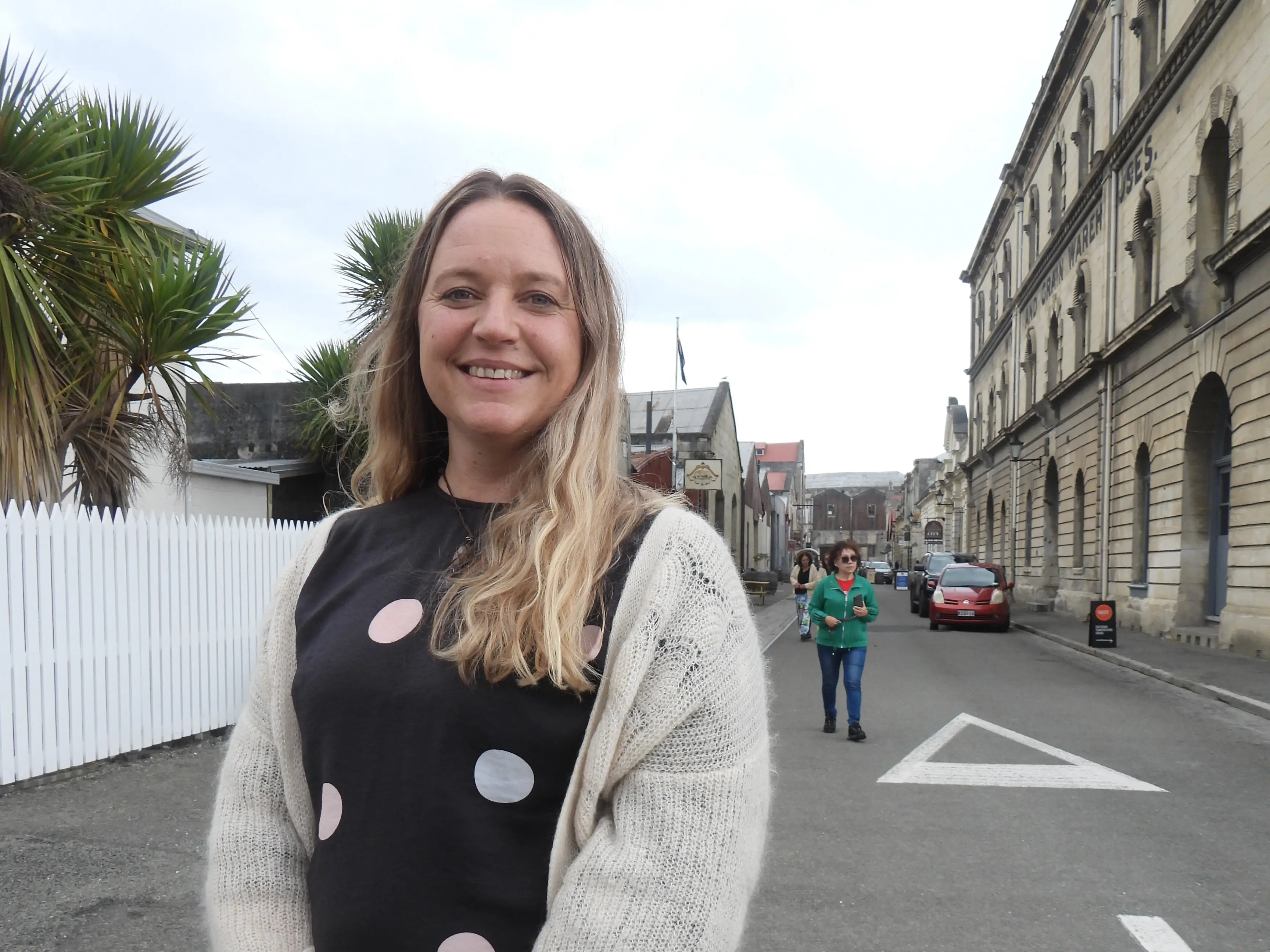
Leadership matters most when communities are under pressure, and this is one of those moments.
As mayor, the financial pressure, the wish to do the right thing by our community and the need to set us up for better long-term resilience sits heavily on my shoulders. I care deeply, as do my councillors, but ignoring the issues or pushing decisions out only compounds the problem.
I know many people across our district are feeling frustrated, worried and stretched. A rates increase of this scale, 22%, has real consequences for households, businesses and community organisations, and it is right that people expect clear explanations, accountability and disciplined decision-making from their council.
The difficult truth is that local government across New Zealand is facing growing pressure from ageing infrastructure, rising costs, higher expectations and funding settings that have not kept pace with what communities need.
Waitaki is not immune from those realities. Oversight and scrutiny are important, but so is honesty about the scale of the challenge and the need to make decisions that are sustainable, not simply popular in the short term.
But leadership is not only about budgets and balance sheets. It is also about the standards we set for how we treat one another when tensions are high.
Public debate is essential in a healthy democracy, and disagreement is part of that. But when criticism turns into abuse, threats or intimidation, we cross a line that weakens our community rather than strengthening it. Council staff and councillors are members of this district too, and they deserve to be treated with basic decency and respect.
Reports of verbal abuse, staff being spat at, made to feel unwelcome in public places and to fear for their safety are unacceptable.
Staff are doing their job, and councillors and I are stuck between a rock and a hard place. Honesty about the financial difficulties and start making longer-term decisions. We can and should debate decisions robustly, but there is no justification for hostility towards the people carrying out their duties.
That principle extends to our chief executive as well. These positions will always attract scrutiny, but veiled threats and dehumanising language are unacceptable in any circumstances. We should expect high standards from public leaders, and we should also expect high standards from ourselves in how we respond.
It is equally important that public discussion is grounded in fact. The financial pressures facing the council did not emerge overnight, and they are not the product of one individual. They reflect decisions, settings and constraints that have built up over time. If we are serious about solutions, we need to move beyond blame and focus on the structural changes required to put local government on a more resilient footing.
That is why this moment calls for more than reaction. It calls a commitment from us to finding savings and solutions, but it also requires us to focus on the future of our district.
If we want to avoid repeating these cycles, we need a more mature conversation about what communities can reasonably expect from local government, how those services are funded, and what reform is needed to make the system resilient, fairer and more workable. That is where our energy should be directed: towards practical solutions, long-term thinking and constructive engagement with the changes New Zealand now needs.
This is a difficult moment, but it is also a defining one. It gives us the chance to decide what kind of district we want to be: one that turns on itself when pressure rises, or one that meets challenge with honesty, respect and resolve. My hope is that we choose the latter and use this period not only to address immediate pressures, but to build a stronger, more sustainable foundation for the generations who follow as we, together, work through central government’s Simplifying Local Government reforms.