
PHOTO
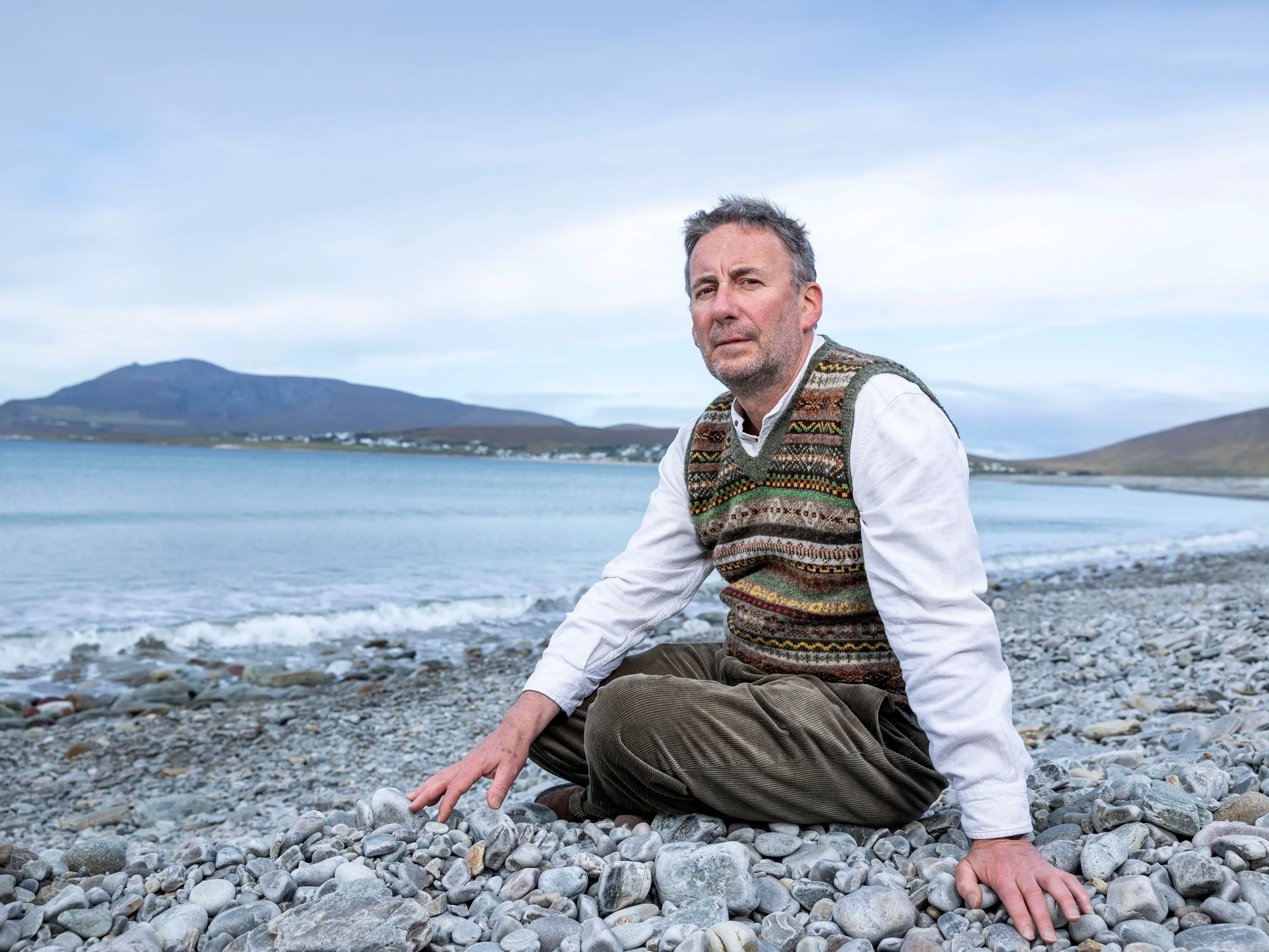
Preparing to face death can be compared to training for a marathon BAFTAwinning Kevin Toolis says.
The Aotearoa branch of the Australia New Zealand Society of Palliative Medicine is bringing Mr Toolis to New Zealand to speak about what he has learned about living and dying.
While he grew up in Scotland Mr Toolis’ parents were Irish and he spent summers on Achill Island where his parents came from.
Mr Toolis said a phenomenon he called the Western death machine which had emerged in the past two centuries meant people tended to avoid death.
People needed to come to terms that life was fragile and they would die one day, he said. ‘‘We delude ourselves if we somehow think that we’re kind of superhuman beings.’’
One way they could do this was to take small steps towards death like a person in training for a marathon. ‘‘If you just suddenly had to run a marathon and didn’t do any training, the whole 26 miles would kill you.’’
Going to a funeral, seeing a dead body, talking with those who had lost a loved one were all like ‘‘practice laps’’. ‘‘You do this again and again, and of course it just basically makes death what it is, every other day sort of occurrence, nothing to be afraid of.’’
An Irish wake or a tangi helped people face their own mortality, he said. ‘‘Far for being morbid, wakes and [tangi] are actually life-affirming because it tells us what it is to be truly human.’’
Sometimes people avoided looking at a dead body because they wanted to remember what the person looked like when they were alive, he said. ‘‘You also do want to remember them when they’re dead too because that is part of being human.’’
The realisation that one day a person would die helped them live life more fully, he said.
‘‘To be truly human is to carry the burden of your own mortality and strive in grace to help others carry their burdens too, sometimes lightly and sometimes courageously.’’
Throughout his life he had encountered death many times including going to his first wake at 11 years old, spending time in a cancer ward in Edinburgh with dying men also when he was 11 and was unwell with tuberculosis, losing his brother when he was 20 and reporting on conflicts and famines throughout the world.
He sought answers about how to protect himself from death.
‘‘What I really found in the end is the best way of protecting yourself from death is really to join with others, to share the burden of mortality with others in ceremonies like the Irish wake.’’