
PHOTO
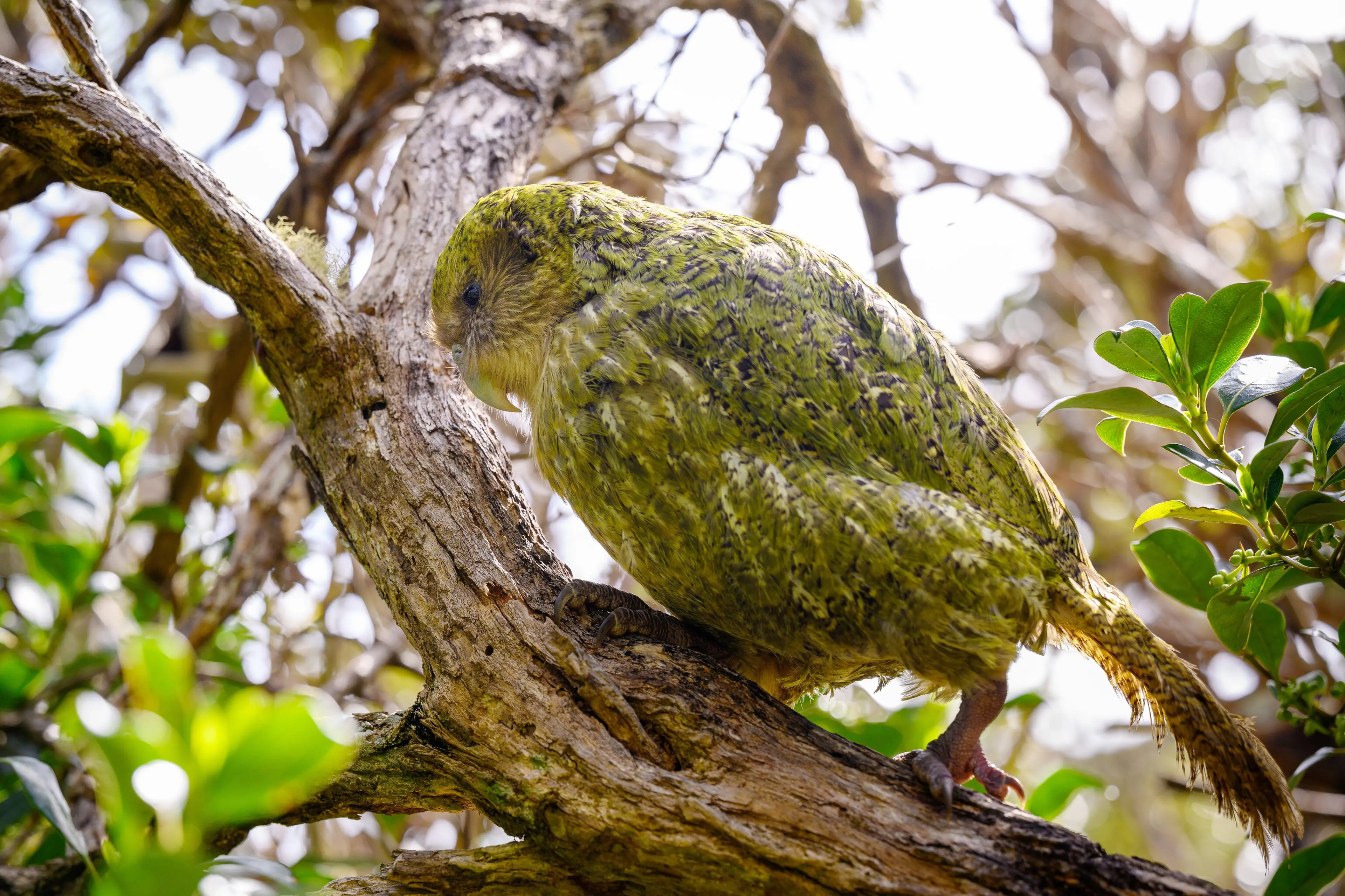
Remote monitoring on Codfish Island/Whenua Hou has detected kākāpō "mating activity" for the first time in four years, the Department of Conservation and Ngāi Tahu say.
In a joint statement, the two organisations said yesterday the first breeding season in four years for the critically endangered species was officially under way.
Doc kākāpō recovery operations manager Deidre Vercoe said remote monitoring technology on the small, predator-free island west of Stewart Island/Rakiura detected mating activity on December 29.
Ms Vercoe said it was always exciting when the breeding season officially began.
"But this year it feels especially long-awaited after such a big gap since the last season in 2022.
"Now it is under way, we expect more mating over the next month, and we are preparing for what might be the biggest breeding season since the programme began 30 years ago."
The flightless, nocturnal parrots — among the most intensively managed species in the world — only breed once every two to four years, when rimu trees mast (mass fruiting).
The total population was 236 birds before the breeding season began but there were only 83 breeding-age females, Ms Vercoe said.
Most kākāpō mothers typically raised one chick per breeding season, so this year could produce the most chicks since records began.
However, success could no longer be measured by numbers alone, she said.
"We want to create healthy, self-sustaining populations of kākāpō that are thriving, not just surviving.
"This means with each successful breeding season, we’re aiming to reduce the level of intensive, hands-on management to return to a more natural state.
"We’re working towards the goal of returning them to their former range around New Zealand so that one day, hearing a kākāpō boom might be a normal part of naturing."
— Allied Media