
PHOTO
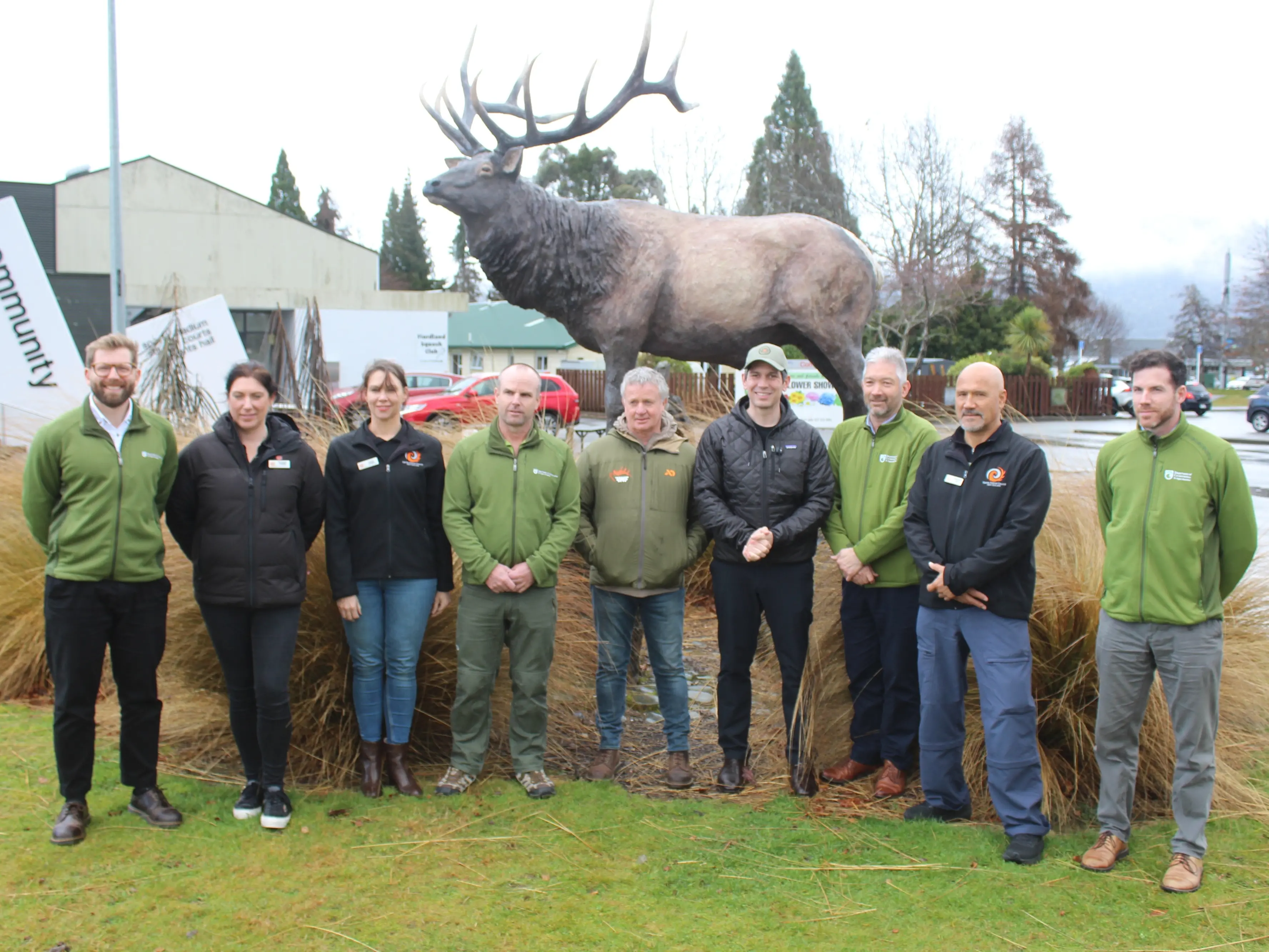
Fiordland hunters are celebrating a milestone as the wapiti deer that inhabit the region have been declared a herd of special interest (HOSI), the first of its kind in New Zealand.
Hunting and Fishing Minister James Meager announced the collaborative effort between conservationists and hunters at the Fiordland community centre in Te Anau yesterday.
‘‘This is an exciting and logical step for valued introduced species which have significant heritage and cultural values important to many Kiwis.’’
HOSI is a legal designation for specific herds of introduced game animals which allows management for hunting and conservation purposes.
The Fiordland wapiti will be managed by local hunter groups with culling, predator trapping and track maintenance.
Mr Meager said the designation would enable ‘‘hunter-led herd management within Fiordland National Park while continuing to protect and enhance its treasured landscape’’.
There were numerous organisations involved in getting the classification off the ground, including the Fiordland Wapiti Foundation, Game Animal Council, and the Department of Conservation (Doc), he said.
‘‘It all builds on the Fiordland Wapiti Foundation’s excellent long-standing work which includes regular culling, management of the popular wapiti ballot track and hut maintenance,’’ Mr Meager said.
Game Animal Council chief executive Corina Jordan said after two years of collaboration, it was a historic day to see their work pay off.
‘‘We look forward to continuing to work with the Fiordland Wapiti Foundation, hunters, Doc, Ngāi Tahu, papatipu rūnanga and the wider community.’’
The HOSI classification would allow practical and hunter-led animal management, ‘‘while ensuring conservation values continue to be protected’’, she said.
‘‘In the case of Fiordland wapiti, this builds on a long-running management model that is largely self-funded, with hunters and the Fiordland Wapiti Foundation meeting much of the cost of herd management, monitoring and wider conservation work.’’
Foundation general manager Roy Sloan said it was not only a monumental day for the hunters, but also for the wapiti.
‘‘This is for those who came before us . . . [we] are simply the latest caretakers of the wapiti and the environment they live in.’’
‘‘Tomorrow we will still roll up our sleeves, carry out deer culling by helicopter and walk those big cold valleys checking traplines.’’
However, not all conservationists have welcomed the move to protect the introduced species.
Forest & Bird Canterbury West Coast regional conservation manager Nicky Snoyink said the HOSI classification existed to ‘‘protect pests for trophy hunting inside national parks’’.
‘‘With deer at plague proportions, what New Zealand urgently needs is co-ordinated action to get these pests under control.
‘‘Deer eat the native plants that native animals need and deer populations need to be at a very low level to protect biodiversity.
‘‘We will be looking closely at how exactly the wapiti herd management plan intends to deliver genuine biodiversity gains in Fiordland.’’
She acknowledged Mr Meager’s openness to work with Forest & Bird and said they welcomed collaboration.
‘‘[We] welcome the minister’s willingness to engage with us on co-ordinated pest control to improved the ecological outcomes necessary to protect and restore indigenous biodiversity.’’