
PHOTO

Vulnerable Dunedin residents face increased isolation following cuts to a vital transport subsidy scheme.
The nationwide Total Mobility scheme provides subsidised travel for people whose impairments prevent them from using public transport in a safe, dignified manner.
The Otago Regional Council (ORC) has agreed to reduce the Total Mobility subsidy from 75% to 65% and lower the fare cap by 10% from $50 to $45 from the start of July.
These changes follow central government directives to decrease the cost of the programme nationwide.
Disabled Persons Assembly southern and central policy adviser Chris Ford said the changes would heavily impact those who were already disproportionately low-income earners.
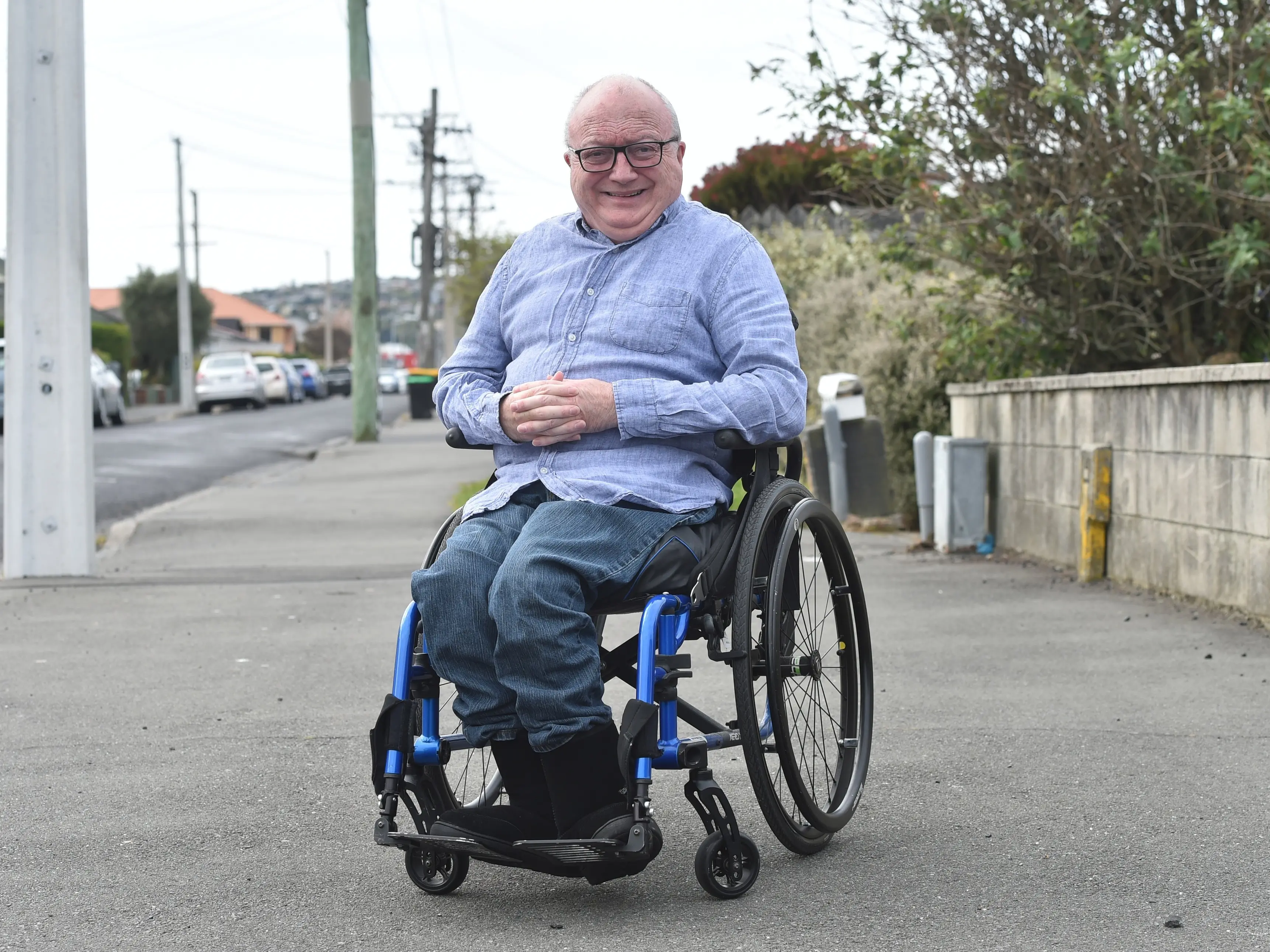
At a recent presentation to ORC councillors he highlighted the price rise could not come at a worse time for scheme members when the impact of the fuel crisis was really beginning to be felt.
‘‘Some people may think that having to pay $5 more is not much but for disabled and older people who are members of the scheme, it can be the difference between deciding to make that trip or not making it,’’ Mr Ford said.
‘‘We are hearing from disabled people having to choose between attending a health appointment and doing their grocery shopping.’’
Disabled Persons Assembly Ōtepoti kaituitui Amy Taylor said the mathematical reality of the cuts would hit local passengers hard.
‘‘The 10% reduction in cap and in the subsidy seems small to people until you do the actual maths and it isn’t a small cut at all.
‘‘This will lead to fewer trips by disabled people with disabled people prioritising essentials like healthcare over social outings and thus increasing isolation and mental health issues in an already isolated and at-risk community.’’
Otago Regional Council transport portfolio co-lead Cr Alan Somerville said the organisation appreciated the changes would increase expenses during a challenging period of cost-of-living pressures
‘‘Total Mobility is an important service that helps people travel safely and independently when they cannot use conventional public transport.
‘‘We want to ensure the scheme remains available for the people who rely on it, while also making sure it is financially sustainable for both local and central government.
‘‘That is why we are asking the minister of transport to review and better resource the scheme.’’
Total Mobility use had grown significantly since the subsidy increased from 50% to 75% in 2022, with more users taking more trips, Cr Somerville said.
In Otago, about 7000 customers use the scheme in Dunedin, Oamaru, Balclutha, Queenstown, Wānaka and Alexandra.