
PHOTO
In the lead-up to the November 7 election, RNZ’s Midday Report is speaking with the technology spokesperson for a range of parties about their biggest hopes and fears with artificial intelligence and the role of government in regulating the technology.
On Monday, Guyon Epsiner sat down with Labour's Economic Development, Science Technology spokesperson Reuben Davidson.
In Reuben Davidson's eyes the world is looking at potentially the most significant industrial revolution of a generation with Artificial Intelligence (AI).
In an interview with Midday Report, he said there was "enormous opportunity" with AI and the government had a responsibility to get involved and help navigate what that looked like for Aotearoa.
It was hard to know what the impacts of AI would be in a decade, Davidson said, but the speed of which it was morphing and the speed of the uptake globally was "unprecedented".
"Questions need to start being asked... given that few people know what it will look like in 10 years, we need to take a more active role to steer and decide what we want it to look like the next 10 years.
"We need to have a really clear framework for New Zealand and a really clear plan on how we want to navigate our way through this."
Davidson believed the AI strategy put forward by the current government wasn't "fit for purpose" and didn't give New Zealanders a level of security they needed or deserved.
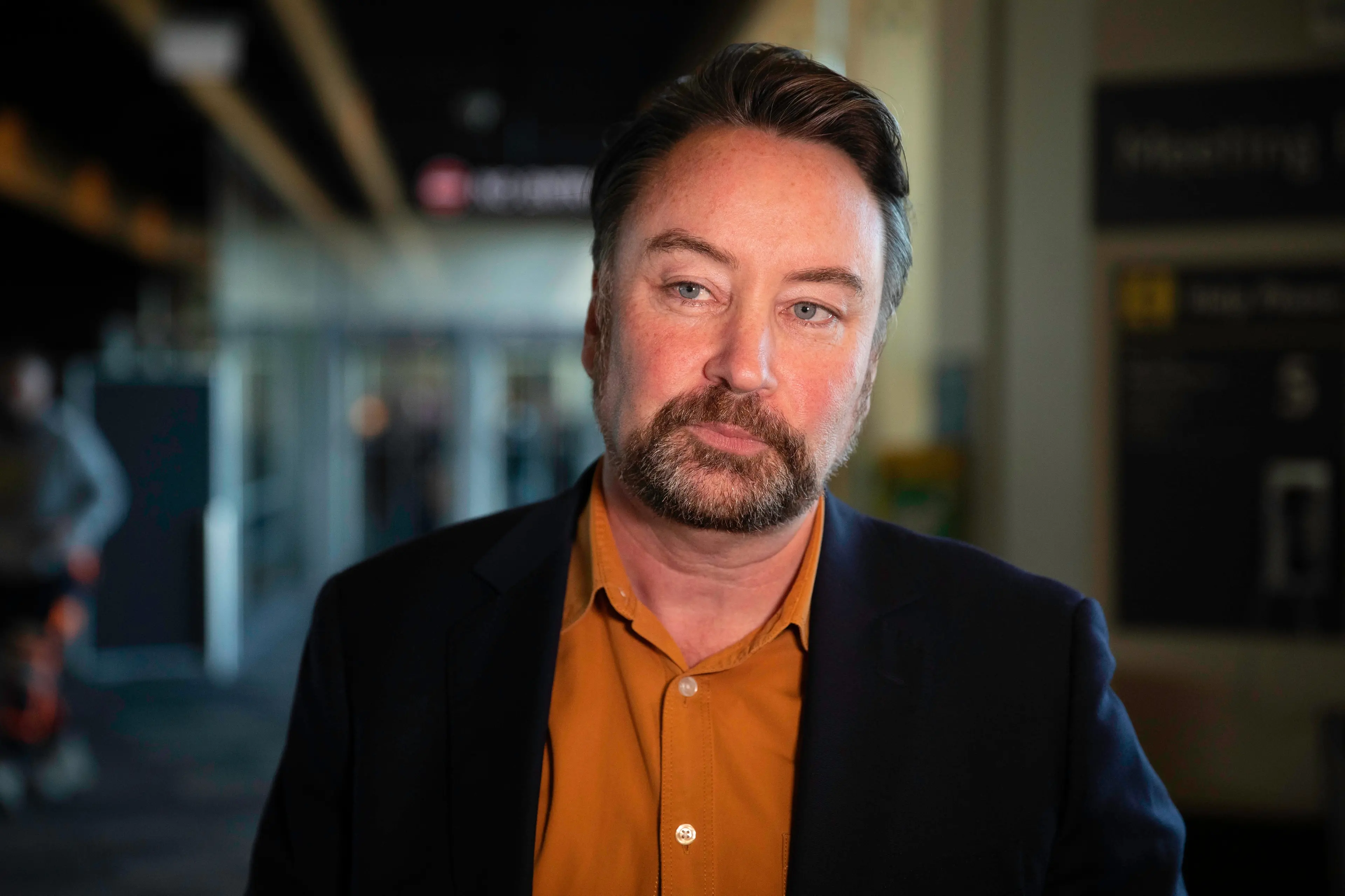
For Labour, Davidson said the key points would be creating an office of AI.
"We see that need to be elevated right to the Cabinet table with a single minister responsible. That means we can look after copyright frameworks... the impact of AI on education... and have really clear rules for data centres..."
He believed was also a need for an independent online safety regulator.
"The government need to have a really strong action plan to engage with this it's not acceptable anymore for the government to step back and say we're gonna wait and see what happens.
"We need to actively shape and be involved in how it evolves to serve us."
Davidson said there was no question AI would be disruptive to the workforce and the way it had worked up until now.
"I think the urgency now is for the government to map to see the kinds of roles being impacted and acknowledge 12 to 18 months ago we weren't thinking it would be those roles."
AI would create new roles, he said, and new jobs as new technologies always had, but what needed to be thought about was how to manage it and ensure human skill was still being utilised.
Davidson himself said he did use AI - but only in a very "conscious" way.
"I'm very aware when I'm doing online searches, very aware of the role AI is playing in sorting and selecting the information it is returning to me.
"I'm very careful on checking the forms of information and the sources..."
He said he normally used an AI product created in Christchurch called Contented AI. He used it to present his thoughts and ideas as words, but said he would go through and edit to make sure it accurately reflected what he was thinking and wanting to get forward.
"It's assisted my productivity... but I'm still actively involved in all of those processes as opposed to relying on AI to do my thinking for me."
Davidson said his biggest fear with AI was that the government didn't take it seriously and see the very real opportunities for New Zealand and didn't protect New Zealanders from the very real risks.
"As a result, the power imbalance sits with big tech companies as the decision makers as opposed to government engaging with New Zealanders to really ensure we embrace the technology and the huge advantages and productivity gains it will give us to make sure we have AI that works for New Zealanders."
