
PHOTO
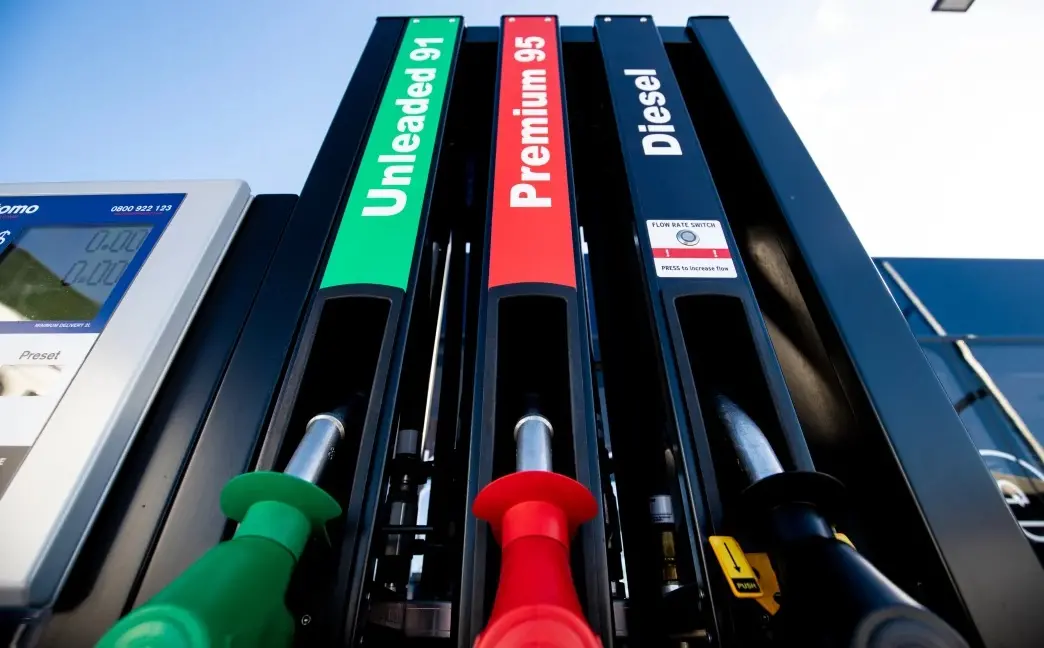
Petrol prices could start rising by the end of the week as the Middle East conflict goes on, one industry head says.
Waitomo Group chief executive Simon Parham told Checkpoint it would not be surprising to see the price of unleaded fuel hit $3 per litre in some places.
The price of brent crude had already risen about 16 percent in the past week, after Iran essentially closed a key shipping route for oil.
The Strait of Hormuz, a narrow strip of water between Oman and Iran is a vital shipping lane for about 20 percent of the world's oil.
Tens of millions of barrels travel through the strait each day, as well as liquified natural gas, but Iran is threatening to attack any ships trying to pass through the strait.
There is concern the strait could become a chokepoint; forcing petrol and commodity prices up around the globe.
Parham told Checkpoint the market should be bracing for a price increase between the end of this week and early next week.
"The market had priced in risk associated with the US-Iran nuclear negotiations, but it hadn't priced in the conflict. So I think that's what we're really seeing now, is the price of that conflict and the uncertainty about the duration."
While it is too soon to tell exactly how much those increases will be, Parham was sure it would be an upwards trend.
While there was potential for fuel prices to hit $3 per litre, Parham stressed that the cost of petrol and diesel was always relative.
"There's always a cheaper fuel option out there so look for the deal. Don't just fall into your normal routine.
"I think now's the time to start doing that. Do it now, do it over the next couple of weeks, as we see the prices increase."
New Zealand receives a large portion of its refined oil from Singapore, meaning supply is not currently an issue.
Parham said while countries that relied on the Hormuz Strait might look to Singapore to supplement their supply, stockpiles in China and other places meant that there was unlikely to be any issues with getting enough oil.
"We've got about 20-odd days' supply and that's part of our minimum stock holding and that's in country. There's probably half of that, potentially 10 days, on the water, and there's a lot of product also sitting at the refineries up in Singapore, Japan and Korea ... so it's not a product issue."
Parham said people should be aware of the widespread reliance on fuel across the country, meaning the cost increase might not be seen just at the petrol pump.
"Petrol and diesel, it leaves its sort of fingerprint across a lot of the New Zealand economy, whether it's primary industries such as farming, agriculture, forestry, you move into civil and construction, you know, those roading pipelines or those earthworks to transport, you know, moving product to market."
He said people would not be immune to price increases across any part of the economy.
"Ultimately we all feel it at home as well in our household budgets ... it will slowly eat away and, you know, get into that disposable income that we have."
President Donald Trump has indicated the US-Israeli operation could last four or five weeks.
Parham said that in order to keep prices from skyrocketing, there was hope that period would be shorter, but they were currently just taking things as they came.
