
PHOTO
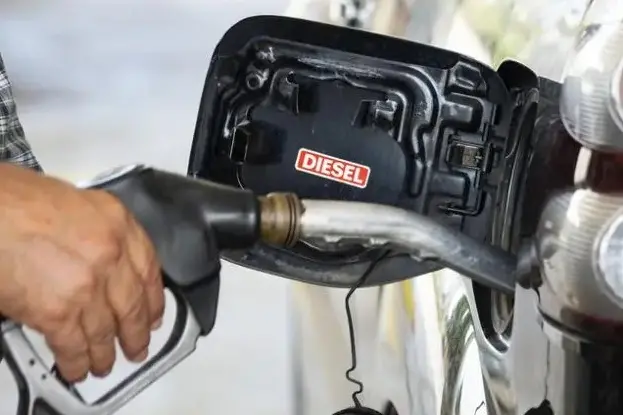
Rising diesel prices could make the rest of this year more expensive for New Zealanders.
It was reported this week that diesel prices are at their highest level since May.
On Tuesday, diesel was at an average $3.19 per litre across the country.
Because diesel is used to power much of the country's industry and transport, any increase in prices can flow through to a wide range of areas that affect households, including food.
Kim Mundy, acting chief economist at ASB, said it was hard to tell how much diesel prices could go up.
"We don't know what's going to happen with the US and Iran or President Trump's proposal to ban US diesel exports. But if you look at where we are today, how diesel prices have increased, if you think about how prevalent diesel use is across the supply chain within the economy, it does make sense that we're potentially looking at reducing margins for businesses."
She said some businesses might try to pass on those costs to customers.
"A higher diesel price tends to filter through things like road freight and domestic transport, food distribution, construction costs… those sorts of things.
"It's hard to know how it will flow through into prices… there are other things happening as well. Fertiliser prices are still elevated compared to pre-conflict and that wasn't expected to come through until later on based on the fertiliser farmers already had on shore and how that feeds into the production cycle. There are a lot of uncertainties but in general the general trend is towards a risk of higher prices, but how high and how long, those are the really key uncertainties."
The weaker New Zealand dollar would also add to the price of many imported goods, she said.
Mike Jones, chief economist at BNZ, said it was a volatile environment and things were changing rapidly.
"Last time, fuel costs retreated quite quickly after those initial spikes, so that's really the key thing. I think in the current environment, though, it's particularly unhelpful because we are already looking at food prices under some upward pressure.
"There's what we've already seen in global food prices, you've got those El Niño risks out there as well that people are talking about, and then for any food that's travelling a long way, that further intensifies the cost pressure.
"Then there's the falling New Zealand dollar... it certainly suggests to us there's some pressure building on food price inflation. It may be there is the ability in the short term for some of that higher transport cost to be absorbed into the supply chain or into margins, and we might have seen that in the first cost shock, but I wonder about the ability for that to continue happening."
University of Otago economist Murat Ungor said diesel was an input at every stage of the food supply chain but a relatively small share of the shelf price.
"The bigger effect is indirect. Diesel raises the cost of fertiliser, packaging and long-haul freight, and those costs reach shelf prices with a lag. Large suppliers typically review contracts quarterly, and retailers tend to absorb some of the increase in the meantime.
"The risk is volatility. The AA has said diesel is the fuel to watch, because trucks and farm machinery cannot easily switch to alternatives. Markets are watching the November 3 US midterms as a potential inflection point.
"If Middle East disruption does push diesel higher again, I would expect the effect on food prices to show up in early 2027 rather than in the Christmas basket. For December itself, meat, dairy, weather-affected produce, wages and electricity will probably matter more than diesel.
"The most tangible diesel-linked effect is likely on barbecue-style ingredients and logistics-heavy goods rather than a broad, single-factor price shock. But the direction of travel on diesel is now upward, not easing, and that is worth watching."
Jones said construction would also feel the impact, because petrochemicals were used in a wide range of construction materials.
"The challenge for the construction industry is that hose costs seem to be starting to lift again at a time when house prices are quite flat. The incentive to build is perhaps moving in the wrong direction to encourage more construction. We've seen some pretty good consent numbers recently but you wonder, is that upward trend at risk of flattening off a bit with the cost increases that are coming through?"
