
PHOTO
New Zealand households probably won't feel much better off until next year, ASB says.
It has released its latest quarterly economic forecast, which predicts two more official cash rate (OCR) hikes before Christmas to tackle inflation driven by fuel prices.
"If this year had a personality, it would be fickle," ASB chief economist Kim Mundy said.
"2026 has kept holding out the promise of something better, then pulled away just as it felt within reach. As oil prices fell through the middle of the year, we had become increasingly hopeful that weaker [second quarter] growth was a brief hiccup.
"We now have a sense of déjà vu, with prices at the pump edging back towards their early-2026 highs and no clear path to ending the conflict."
She said the Reserve Bank would likely be worried about higher inflation leading to stronger inflation expectations. If it did, the official cash rate may need to go even higher.
Mundy said the economy had managed to keep expanding, despite the shocks coming from offshore.
"The fact that the largest oil price shock in recent history hasn't derailed recovery is significant, but growth remains narrow and the oil shock has added more hurdles."
She said the domestic side of the economy was the most stubborn. Consumer spending dropped in the second quarter of this year, after six consecutive quarterly increases.
She said there would be a modest rebound in the third quarter, but households would likely still be wary about spending.
"Households are likely to remain cautious for some time. As a result, growth is expected to stay uneven and be driven largely by export demand, until pressures on domestic demand begin to ease, which we expect in 2027.
"There are a lot of hurdles facing that recovery in household consumption, but we do think that, as some of those headwinds start to ease, the recovery will become more apparent next year."
Unemployment hit an 11-year high of 5.6% in the second quarter and ASB expected it to stay in the mid-5% range, until late next year.
Mundy said labour was easy to source, due to elevated unemployment, underemployment and youth struggling to find work.
House sales had fallen back to levels last seen in mid-2024 and buyers have a lot of choice.
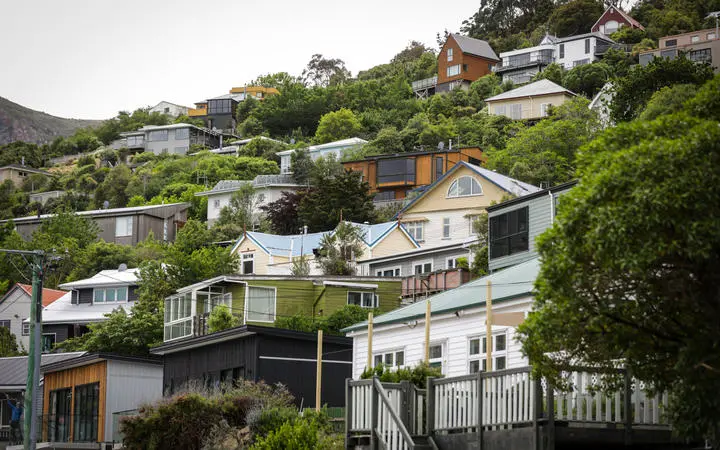
ASB said house prices would flatline this year, before rising 3.5% next year, but it could be 2029 before prices returned near their 2021 peaks.
"Structural shifts, including slower population growth, the likelihood of a less borrowing-led cycle and a more responsive supply of new housing, point to a more moderate cycle than New Zealanders are used to. That's good news for affordability, but it also means a smaller wealth effect for households."
ASB described the outlook as more uncertain than usual and said it could be affected by a further swing in oil prices, a possible super El Niño for the rural economy and stronger-than-expected population growth, if departures to Australia slowed.
"If 2026 has taught us anything, it's to plan for the worst, but hope for the best."
The numbers painted a worse picture than that revealed in the pre-election fiscal update (PREFU). Mundy said that was due to timing.
"Given when our forecasts were finalised versus PREFU, there's been a bit of a difference there in terms of capturing the most recent oil price moves and that really does just reflect the tone of our wider forecasts this quarter."
PREFU was finalised before oil prices lifted again and international bond rates pushed up. Mundy said the economy was not bad for everyone, though.
"For some people, the recovery has arrived. Anyone that is rural facing or has strong tourism sector support... but it's just the urban areas, which are really heavily reliant on that domestic demand story.
"It has been a really long time and hopefully next year will be kinder to everybody."
She said the economy could look different on the other side.
"We don't expect the housing market to drive the pick-up in the economic cycle.
"It's more likely that we see a house price recovery lag the economic cycle, which is not what we tend to see, but given the fact that the structural drivers of housing in New Zealand have altered, it does suggest we're not likely to see those pronounced swings in house price growth, but also the falls that we have in the past.
"That's one of the reasons why we think consumption growth will be a bit slower off the mark, because it won't have the support from that wealth effect. It's going to be more income-led than a capital gains or leverage story."
She said everything could change quickly.
"If we find ourselves in a situation where there is an agreement between the US and Iran, and oil prices start to come back down, then things will be looking rosier, like they were a quarter ago, when we did our last forecasts - but that fickle word keeps floating around."
