
PHOTO
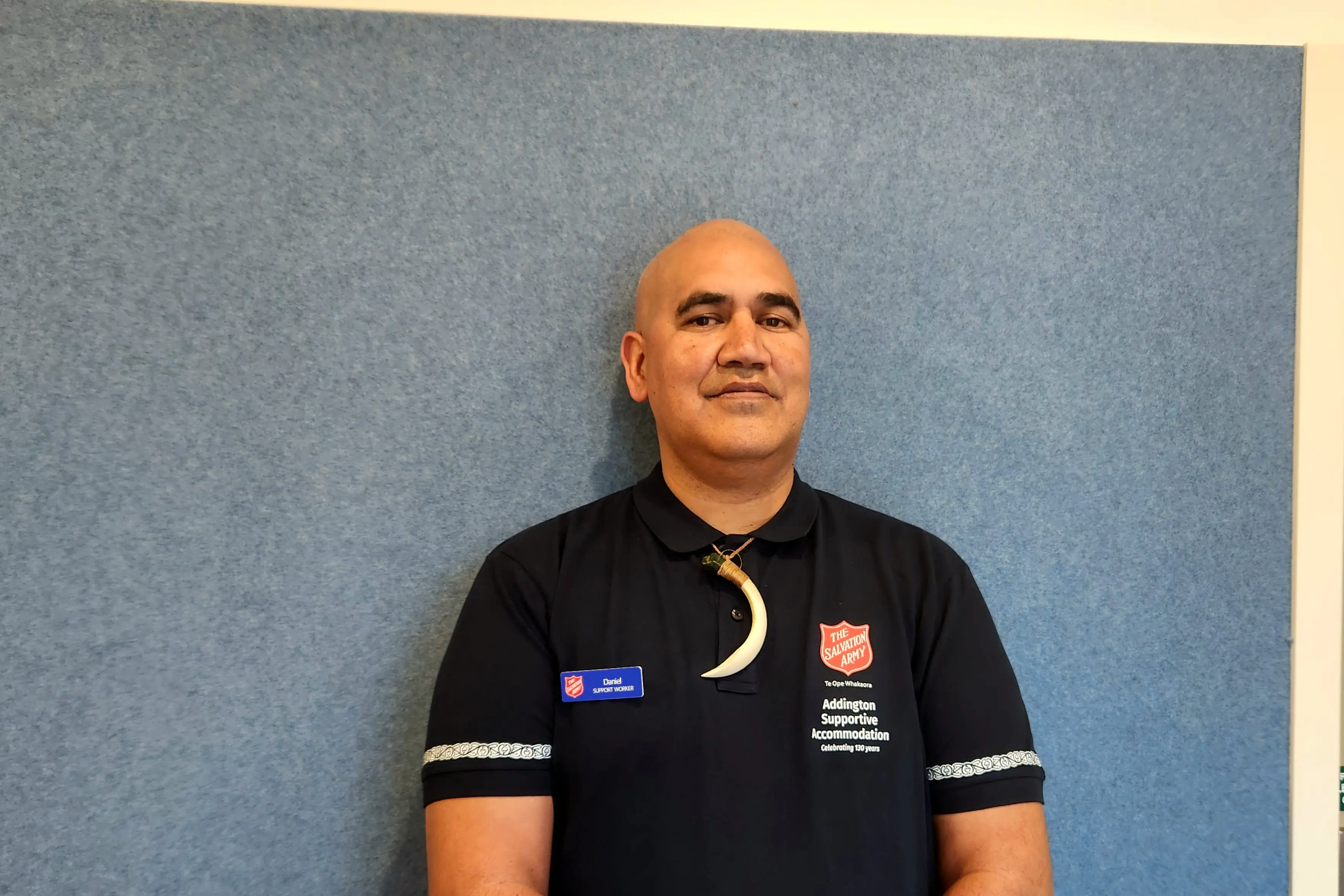
A former client, turned support worker, says upgrades to a Salvation Army transitional housing facility in Christchurch will better support people rebuilding their lives.
Daniel Young, who stayed at the Addington complex in 2018 before later joining its staff, was among those celebrating the opening of a newly renovated accommodation wing on Wednesday.
When Young first arrived eight years ago, he said he was in a rough place in life.
"I was slowly losing myself and eventually came here because I got told by other people," he said.
"It was hard for me to come in, but I'm glad I did. Leaving here, I left with hope."
The Salvation Army's Addington site has been providing transitional housing for men for 130 years.
Salvation Army social mission director Jono Bell says the revamped Addington complex has more rooms and communal spaces than before.
Social mission director Jono Bell said the redevelopment, which had taken about two and a half years, had created more modern rooms and communal spaces.
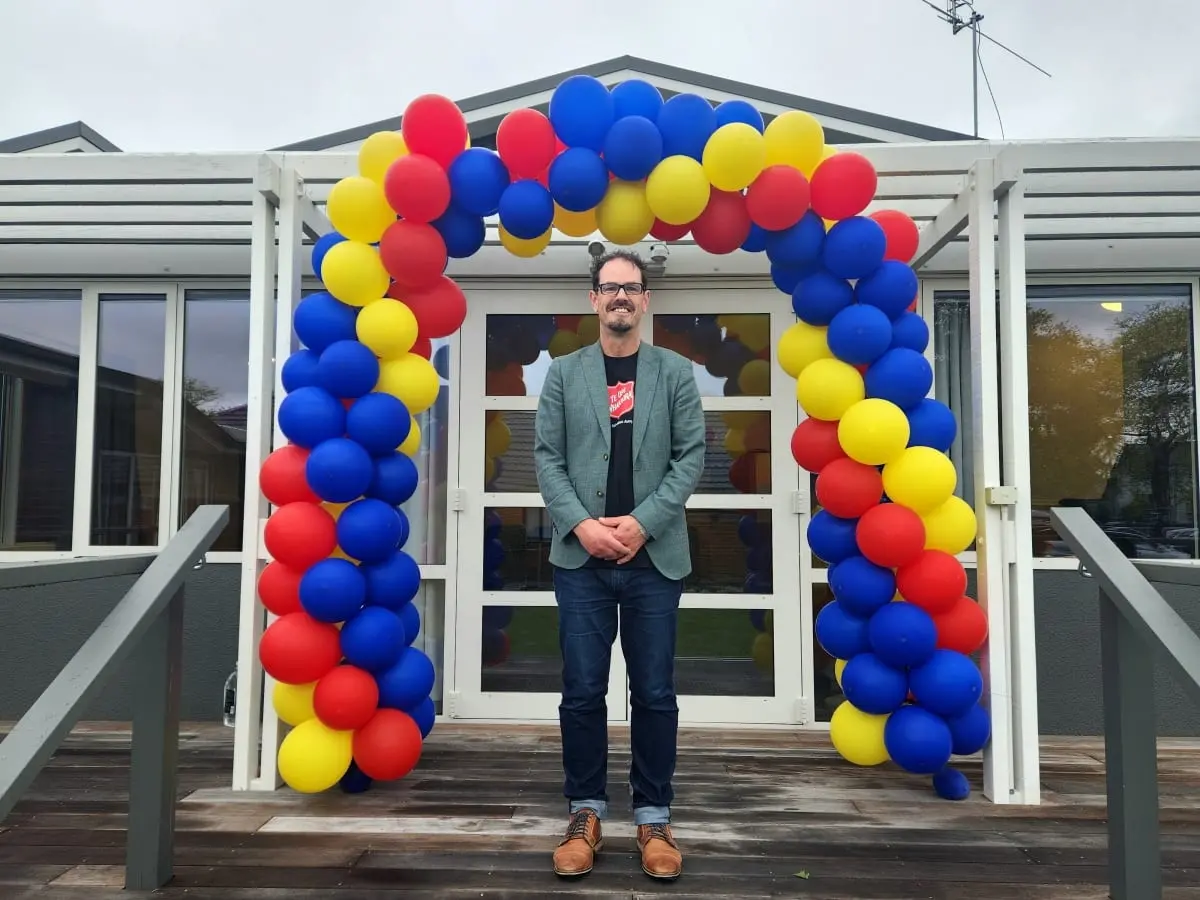
The focus was on creating a more comfortable environment for residents, he said.
"This was an old, more dormitory-style site and we've now turned that into individual rooms, much more communal, open spaces for people to be part of," he said.
"We believe the dignity of people and the importance of accommodation is critical for them to get the support that they need. Once they've got that safe roof over their head and a safe environment we then can look at some of those other challenges they may be facing."
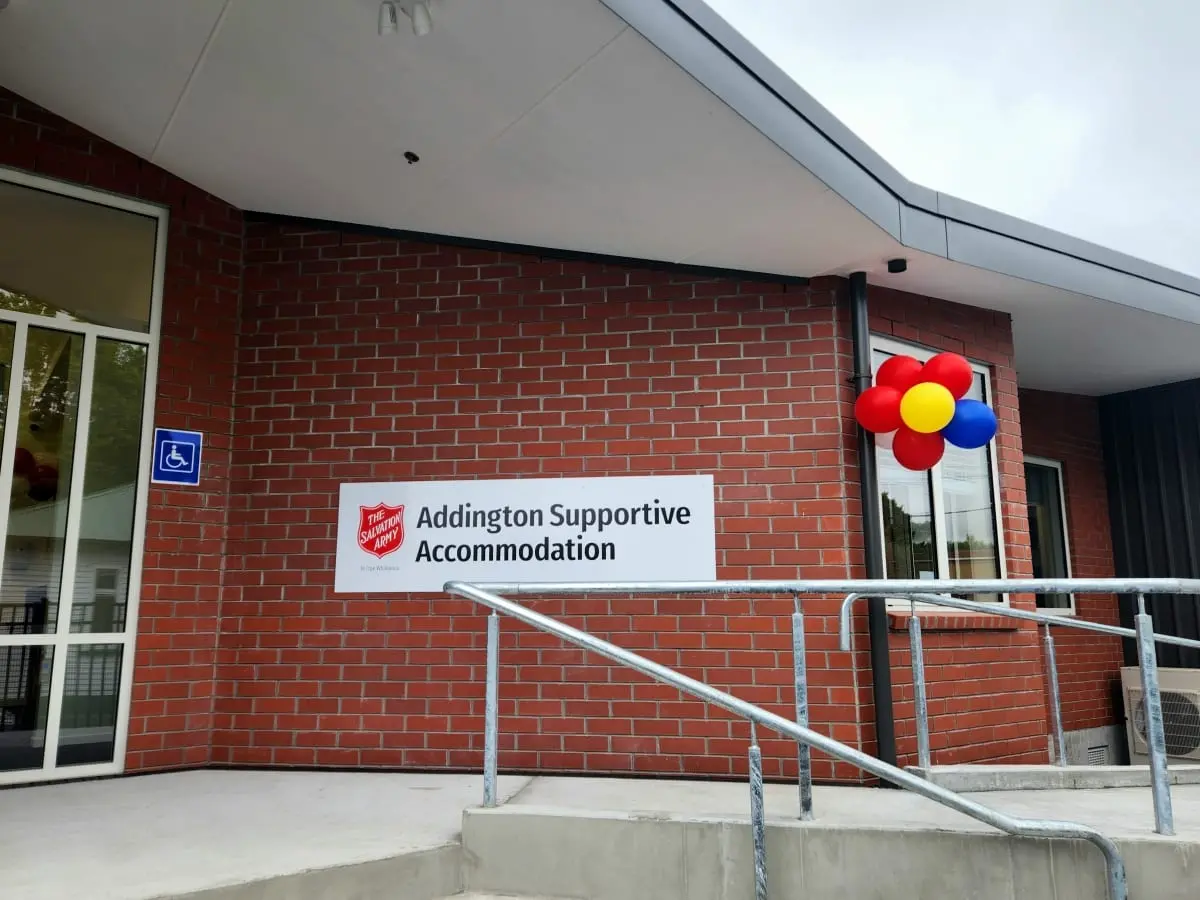
The opening was attended by former residents, staff, community supporters and government representatives.
Bell said the Addington complex housed up to 88 men, and demand remained high.
"In New Zealand we're still in a housing crisis. We've got growing amounts of people experiencing homelessness or housing insecurity," he said.
"Demand for supportive accommodation is definitely just as high as it was a couple of years ago. Usually it comes down to capacity, so we still have many people that aren't able to access this support and we do move people through fairly quickly once they can transition to long-term housing."
Young said the upgraded complex looked very different to what he remembered.
"You went straight to a dorm four-bedroom and had to work your way to get your own single one," he said.
"This is a big change from what it used to be like. The rooms have got everything, they've got sinks in there now and your own personal space. It's just a really warm and inviting place"
After leaving, Young completed a health and well-being qualification before returning on placement in 2024. He now works there as a support worker.
He said the support he received helped him regain hope.
"Help wise, they gave me the basics, the roof, the shower, the food, the care I'd say would be the biggest one. I felt really encouraged and supported whilst being here," he said.
Young said his favourite part of the job was seeing residents grow in confidence.
"My joy of the job is seeing that change... just watching [residents] go from 'I can't do that', to the 'I cans' and then eventually the 'I ams' and they do it and share it with the next person.
"I'm in the right spot. I'm loving it here."
