
PHOTO
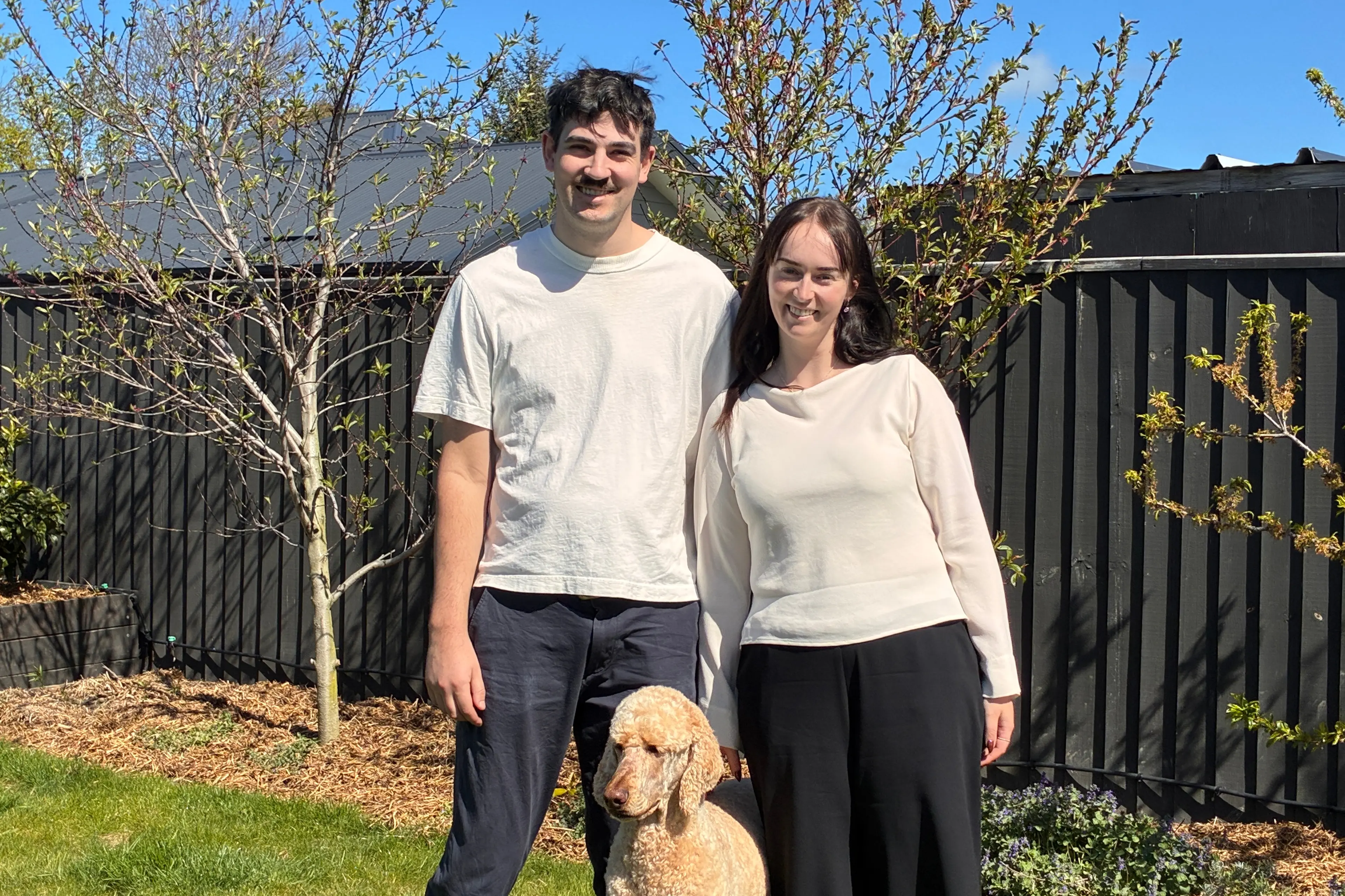
Thomas Cockburn’s shock motor neurone disease diagnosis brought uncertainty about the future, but also a determination to travel, enjoy life and build a home designed for whatever comes next. He spoke to Sam Coughlan.
A year on from his life-changing motor neurone disease diagnosis, the condition is now the new normal for Thomas Cockburn.
At 28, he is taking life “week by week”.
“It is harder to notice what is going on, you have to keep thinking and being aware of what I can and can’t do at certain times, because a month goes by and it could all change.”
MND is a progressive neurological condition in which specialised nerve cells that control voluntary muscles waste away, causing progressive weakness, muscle wasting and loss of movement.
It is incurable and most people live for two to five years from diagnosis, although some can live for 10 to 15 years. It is extremely rare in people under 40 and is most commonly diagnosed between the ages of 50 and 70.
Cockburn, a Springston division 1 rugby player before his illness, was diagnosed in September last year after returning from a holiday in Europe with his wife Eilish Robinson-Kelly.
He said his main symptoms are a lack of mobility in his right leg, which requires him to wear a brace, and an overall impact on his strength and energy.
“The only movement I can do with my toes is curl them a little bit, all the right leg is pretty bad.
“And I can definitely notice weakness around the rest of the body, like my arms and shoulders and other leg. If I look back to what they were like, they’ve gone minorly downhill, it’s a bit more of a struggle to do some things.”
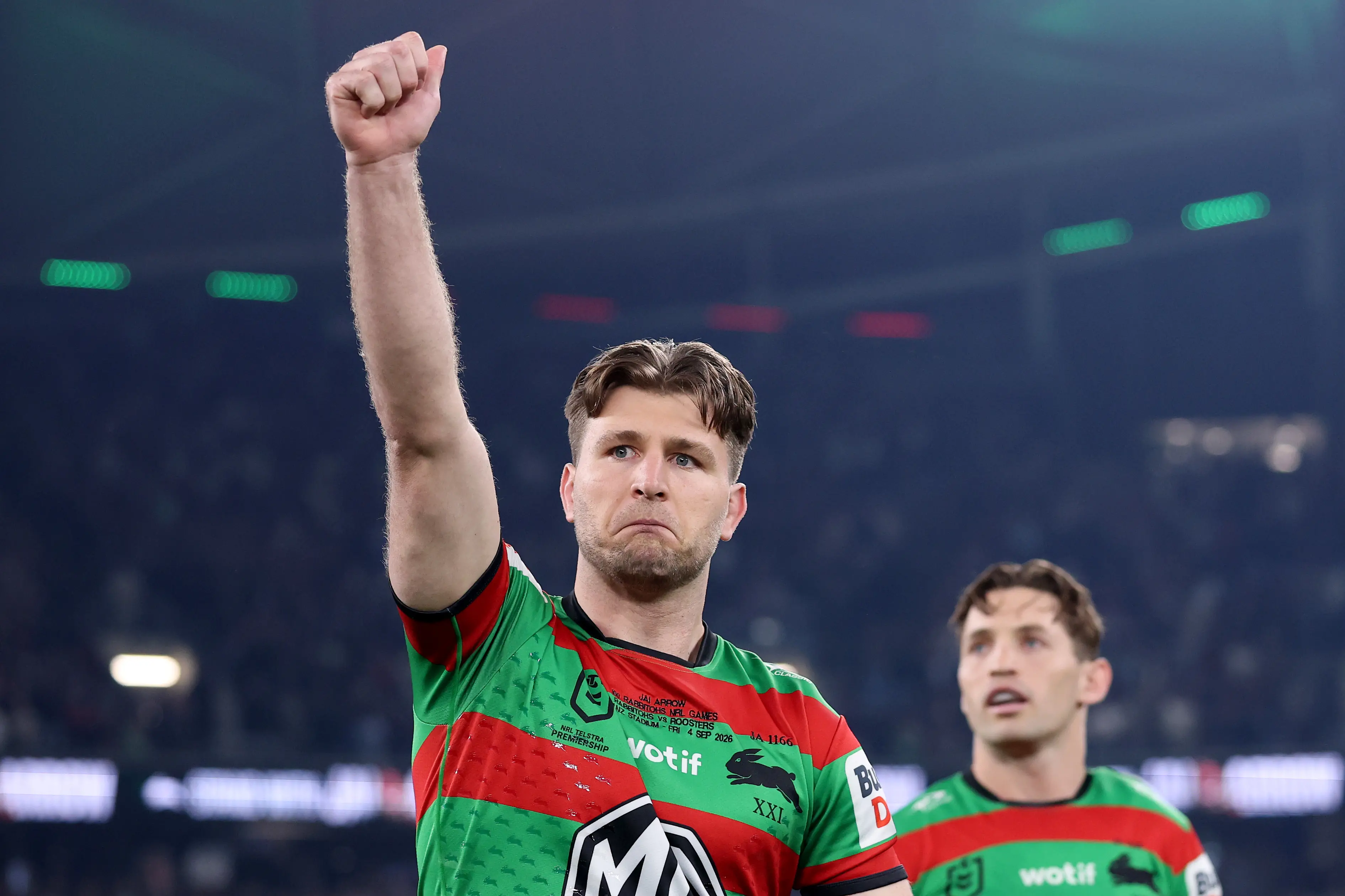
His symptoms differ from those of Australian NRL player Jai Arrow, who went public with his diagnosis and retired from the sport earlier this year. Arrow has primarily experienced difficulty speaking.
“Mine’s started in my leg and is kind of sticking to the limbs,” said Cockburn.
“I think, arguably, it’s luckier than what Jai Arrow’s got.”
The pair share a lot of similarities. Both are young, fit and active sportspeople who were forced to retire just a few games short of a milestone.
Cockburn has played 97 division 1 games for Springston but was presented with his 100-game blazer in June, as he would have reached the mark if not for his diagnosis. Arrow was named on the team sheet for two games to reach the 100-game mark for the South Sydney Rabbitohs.
Both also married their long-term partners shortly after their diagnoses.
“I’ve been following all the stories, and seeing him go out to get to 100 games and seeing everything that the NRL has done for him was really cool,” said Cockburn.
Robinson-Kelly agreed and said the couple had thought about reaching out to Arrow to share their story.
“You figure he’s probably got thousands of people who reach out all the time with goodwill and good intention, that it might get lost. But there has been a thought, we probably will eventually.”
The couple, who live in Rolleston, have been married for five months, after tying the knot in May.
Robinson-Kelly said she sees it as her job to take the lion’s share of the household jobs, although they receive considerable help from friends and family.
“Most people have two sets of hands, it does spread the load quite well. Whereas I definitely find myself picking up a lot more of those jobs, step by step. They haven’t really come all at once.
“There’s the house stuff and the admin of that, and then there’s also the emotional support and stepping up to be there for appointments, asking questions of specialists, because I couldn’t imagine being in his position and having to try and remember all the things I could want to know about it.”
“She’s pretty supportive,” Cockburn said.
“Definitely in being a sounding board to talk to and be that emotional regulator, if I’m having a bad day, she can just listen.”
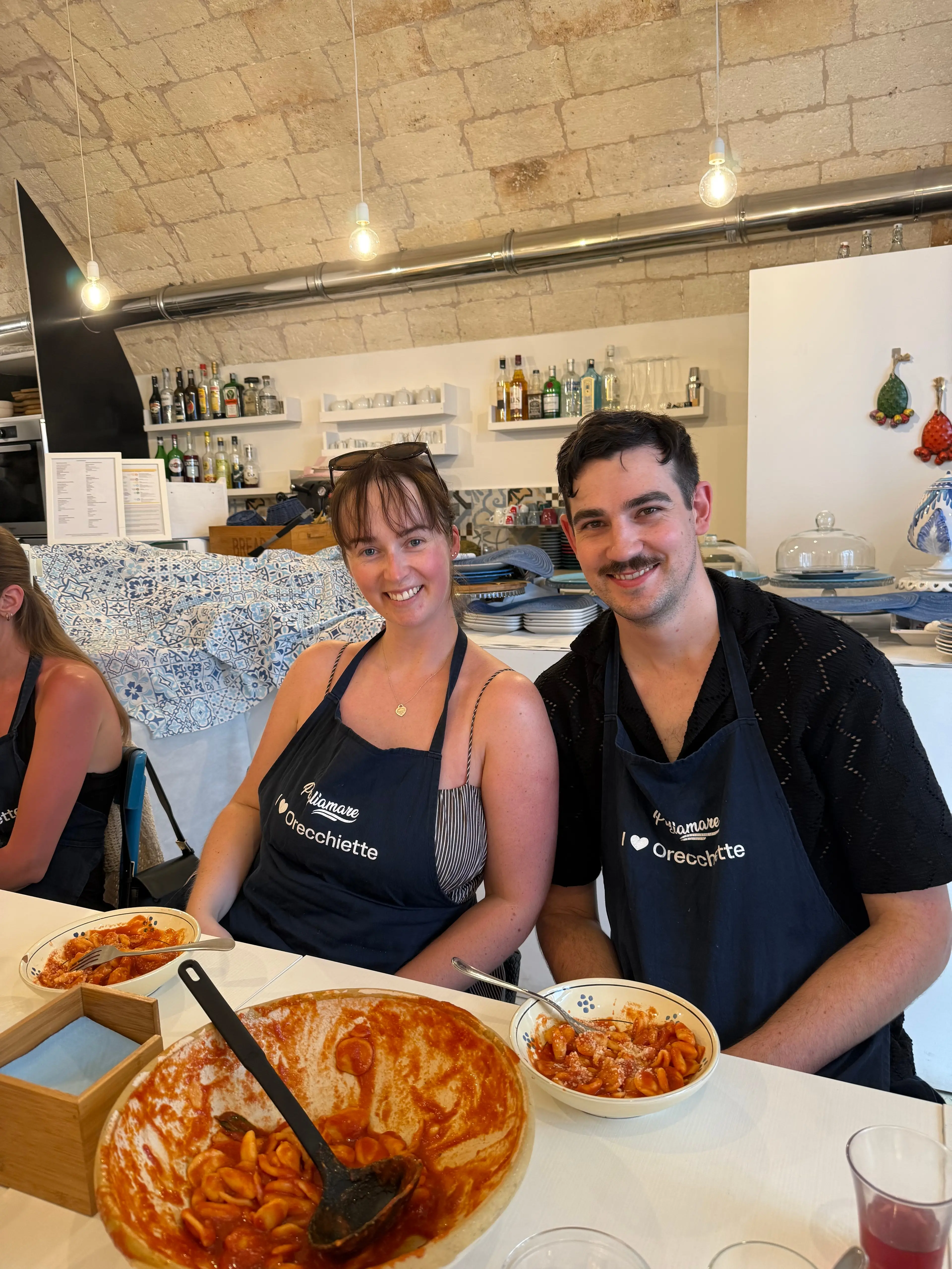
The couple have made sightseeing a priority since Cockburn’s diagnosis.
They visited Japan in March and spent a month in Europe over winter, their second visit in as many years. They spent a week each in France, Italy, Iceland and Ireland.
Highlights included eating pasta in Italy and taking a helicopter ride in Iceland over terrain they would normally have walked.
They will be in Auckland this weekend for a concert and, in three weeks, will spend time in Mooloolaba on the Sunshine Coast with both sets of parents.
The couple hope to take part in the Walk to Defeat MND next month in Hagley Park, part of a nationwide fundraising campaign for MND NZ in which participants walk to honour and support those affected by MND.
All events take place on November 7, with proceeds going to Motor Neurone Disease NZ.
Cockburn and Robinson-Kelly are also in the process of building a new house on Cockburn’s parents’ land on the outskirts of Rolleston, which they plan to move into next year.
The house will be accessible for people with limited mobility, with wider hallways, larger bedrooms and wheelchair ramps so they are prepared if and when Cockburn’s condition worsens.
“We’ve tried to make it as future-proof as possible,” he said, “but still a house that you want to live in, not one that looks like a hospital.”
Said Robinson-Kelly: “We’ve tried to be as mindful as we possibly can, but I’m sure there’ll be things that we just don’t get right.”

Despite his condition, Cockburn said it had been “incredible” to think how much they had been able to fit into the past year.
“It’s crazy to think that a year ago I got diagnosed and how much we’ve been able to fit into a year. A wedding, building a house, another trip coming up, getting a hundred games.”
Said Robinson-Kelly: “It’s maybe time to slow down now, save some dollars.
“Massive credit to the people that we have around us, family for looking after the dog, friends for showing up and mowing the lawn, work for being so accommodating.
“People always say you’ve got a village around you, but it’s not usually until these sort of things happen that you really get a sense of how big that village can be and how widespread it can be. So we’re very grateful.”