

PHOTO
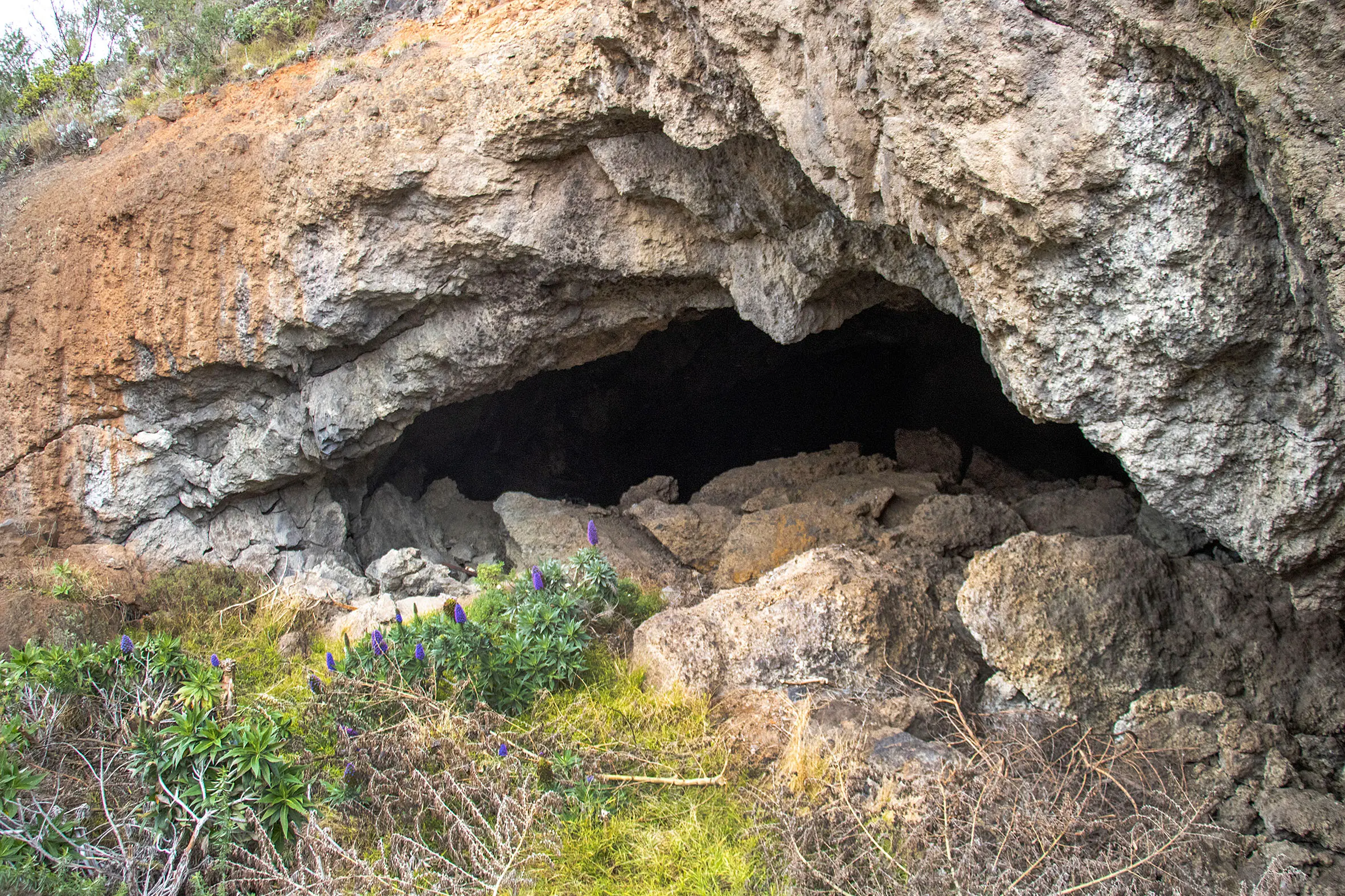
Site investigations will start this week to determine whether improvements can be made to two ancient Māori caves in Christchurch.
Christchurch City Council has commissioned a geotechnical engineer to carry out a site investigation and update the report on Te Ana o Hineraki/Moa Bone Point Cave and Moncks Cave in Redcliffs.
The caves were fenced off for safety reasons after the earthquakes. A geotechnical report was last completed in 2015.
The investigation follows a submission to the Waihoro Spreydon-Cashmere-Heathcote Community Board in March by Redcliffs residents Alex Green and Martin Ward and archaeologist Tristan Wadsworth, calling for improvements to the caves.
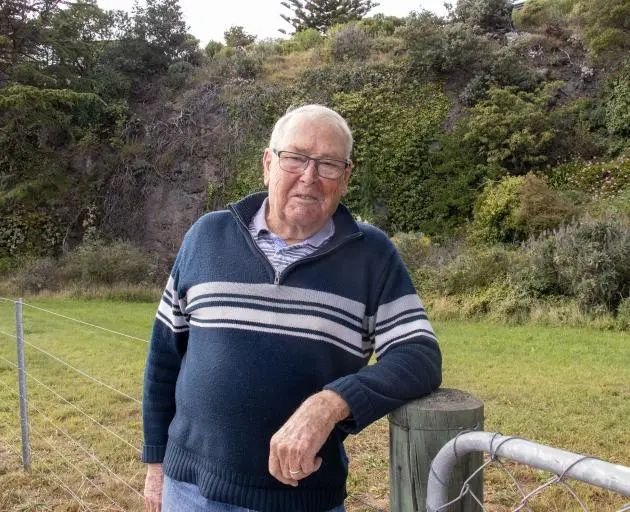
The trio wrote that the caves had been “shamefully abandoned” and wanted their rich history, and that of the surrounding area, acknowledged and celebrated.
They asked the council to clear weeds, scrub, small trees and boulders currently obstructing views of the caves. They also want interpretive panels installed at the entrances to both caves.
The group is not asking for the caves to be reopened.
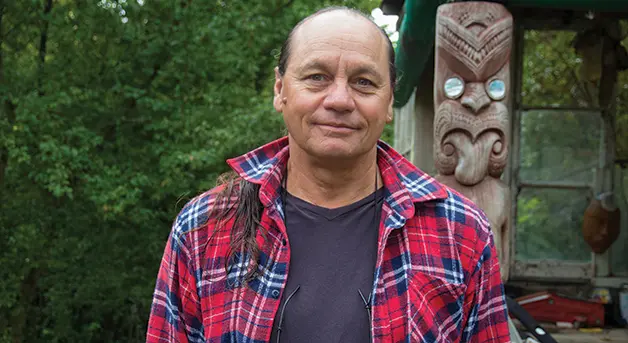
They have worked alongside Te Hapū o Ngāti Wheke committee member and council cultural advisor Rewi Couch.
“This place uplifts the mana of everybody, not just Māori but Pākehā and the whole country,” said Couch.
“It’s been badly neglected and written out of existence as part of the colonial process, it’s important to reinstate our ancestral identity back on the landscape.”
The geotechnical report is the first step in determining what improvements around the cave entrances are safe and feasible, said city council head of parks Rupert Bool.
Work is expected to get under way next week and take about six weeks to complete, he said.
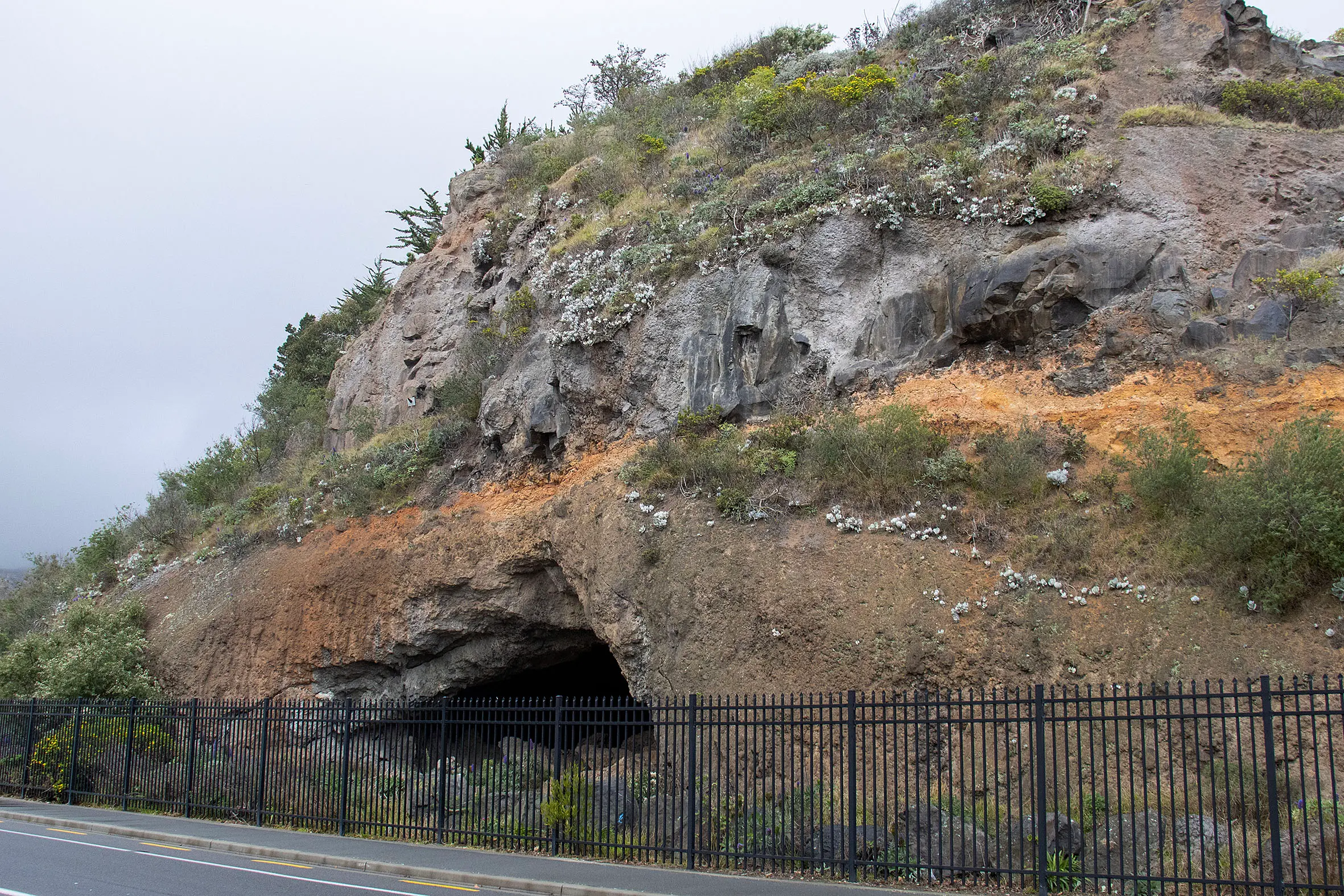
Moncks Cave is designated a Category 1 historic site by Heritage New Zealand Pouhere Taonga.
Workers building a road to Sumner in 1889 discovered the cave and some of the oldest, rarest and most treasured objects in the South Island within it.
Finds included a carved and painted canoe paddle, an outrigger canoe float, a carved wooden bailer, a carved wooden dog and several decorated wooden combs, along with more than 30 bird-bone spear points. Fishing net and cordage, fragments of moa bone and a large amount of shell midden were also found.
Most of the objects are now held by Canterbury Museum.
The area was first inhabited by the Waitaha people, regarded as the earliest people of Te Waipounamu, who settled in the 1300s.
Couch is pleased to see plans for the caves gaining momentum.
Earlier this year, Ward led a public pushback against the proposed sale of a historic Māori burial ground in McCormacks Bay.
It was initially on a list of red-zoned properties that could potentially be sold as part of the council’s Annual Plan 2026/27. It was subsequently removed following intense public scrutiny during consultation.
The group has further plans to build a small roofed structure containing a detailed description of Waitaha settlement, possibly on the Coastal Pathway, as well as a permanent visitor experience building.
They also want the council to investigate creating a landscape and cultural interpretation plan for the two caves in conjunction with Ngāti Wheke and Ngāi Tūāhuriri.
Ward said the group would make a funding submission as part of the council’s Long Term Plan next year, but for now was focusing on cleaning up the area.