
PHOTO
Two Environment Canterbury councillors are encouraging farmers to be prepared for the El Niño weather pattern hitting the region this summer.
Councillor John Sunckell has been farming in the Selwyn district for 40 years, while Cr Claire McKay has been farming in North Canterbury since 2000, and both have weathered plenty of seasonal challenges in their time.
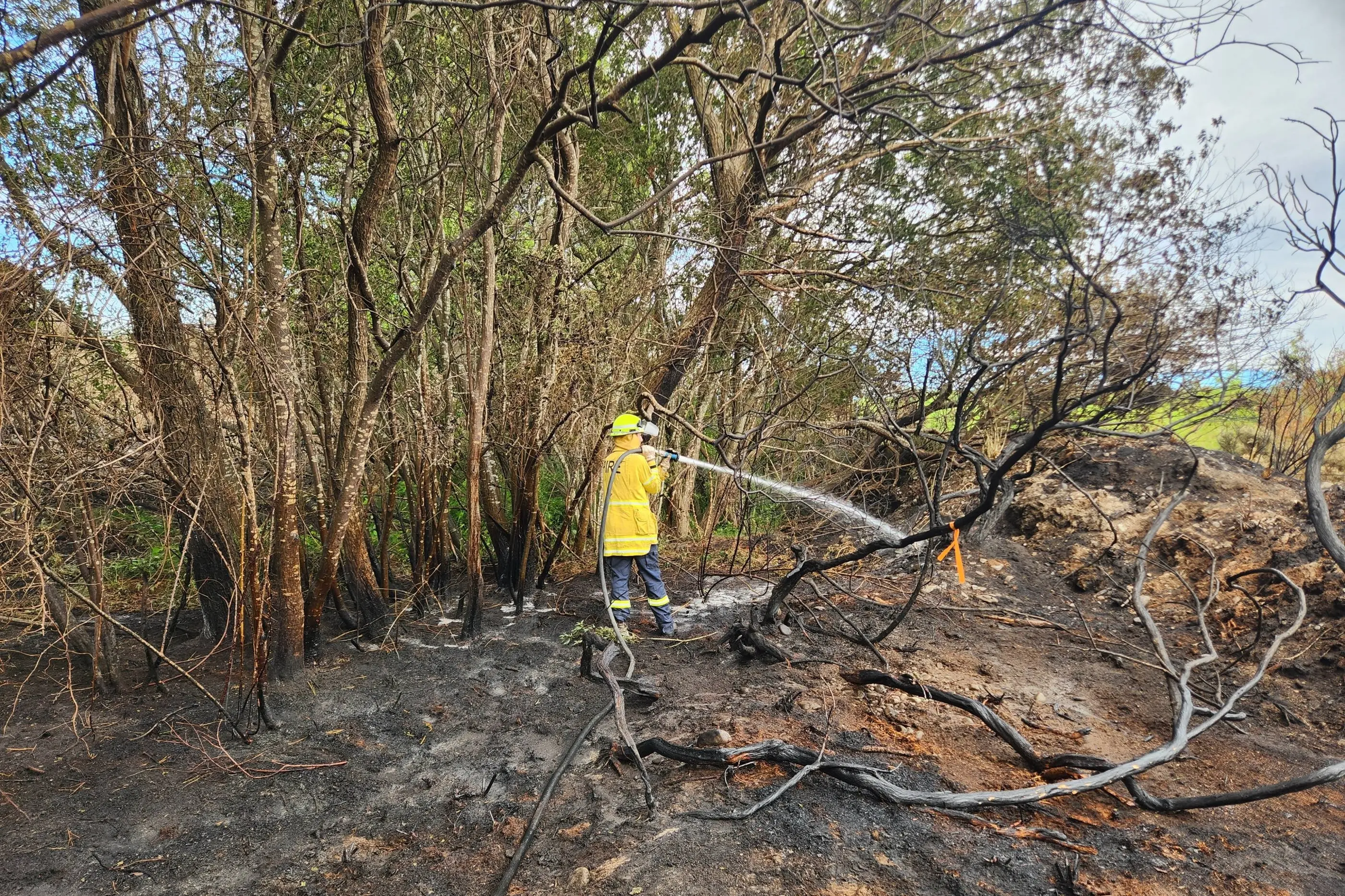
El Niño is expected to bring dry, windy conditions to parts of Canterbury, increasing the risk of water shortages, wildfires, low river flows and toxic algal blooms.
Cr Sunckell said prolonged dry conditions can have significant environmental and community impacts.
Lowland streams and foothill-fed rivers, such as the Selwyn and Hinds, can come under pressure as rainfall decreases and groundwater levels fall.
“There’s a real possibility of some streams drying up, and that creates challenges for the plants and animals that depend on them,” Cr Sunckell said.

Cr McKay experienced the dry conditions of 2014 to 2016 firsthand, when a medium-scale adverse event was declared across the eastern South Island.
Waimakariri and Hurunui were particularly affected, experiencing near-record low annual rainfall.
On her family’s farm, supplementary feed was bought to protect the herd, some cows were culled early because of irrigation restrictions and the milking season ended about six weeks earlier than usual.
Setting decision dates and sticking to them helped the farm respond before options narrowed, she said.
“The mental and financial stress was significant. Businesses were unprofitable, with costs exceeding income.
“Buying additional feed added to costs, and much of it had to be funded through borrowing.
“I remember farmers having to take on additional work off-farm to make ends meet.
“People talk about farmers being resilient, but a brave face doesn’t mean all is well,” Cr McKay said.

ECan is encouraging residents, farmers, growers and lifestyle block owners to prepare now, while river users are being reminded that alpine-fed rivers can rise rapidly even when the weather is fine downstream.
Although El Niño is often associated with drought, impacts will also vary across the region and not every community will be affected in the same way.
Eastern parts of the region, particularly Banks Peninsula, North Canterbury and the Canterbury Plains, are more likely to experience dry conditions and strong northwesterly winds.
This may cause lower river flows and groundwater levels, decrease pasture growth, impact habitats and ecosystems, improve conditions for some pest plants, and reduce water quality.
Some areas may experience increased issues with dust and heightened fire risk.
At the same time, more rainfall than usual is forecast in the Southern Alps.
Cr Sunckell said alpine-fed rivers such as the Waimakariri and Rangitata could benefit from northwesterly rain in the mountains, but that rain could not be taken for granted.
“People who rely on those water sources need to keep track of what’s happening.
“If the rain doesn’t arrive in the mountains, those rivers can also get low and restrictions can become a challenge.”
It’s important to check for any flood warnings or advisories before heading out, even if it’s sunny where you are.
-Allied Media