
PHOTO
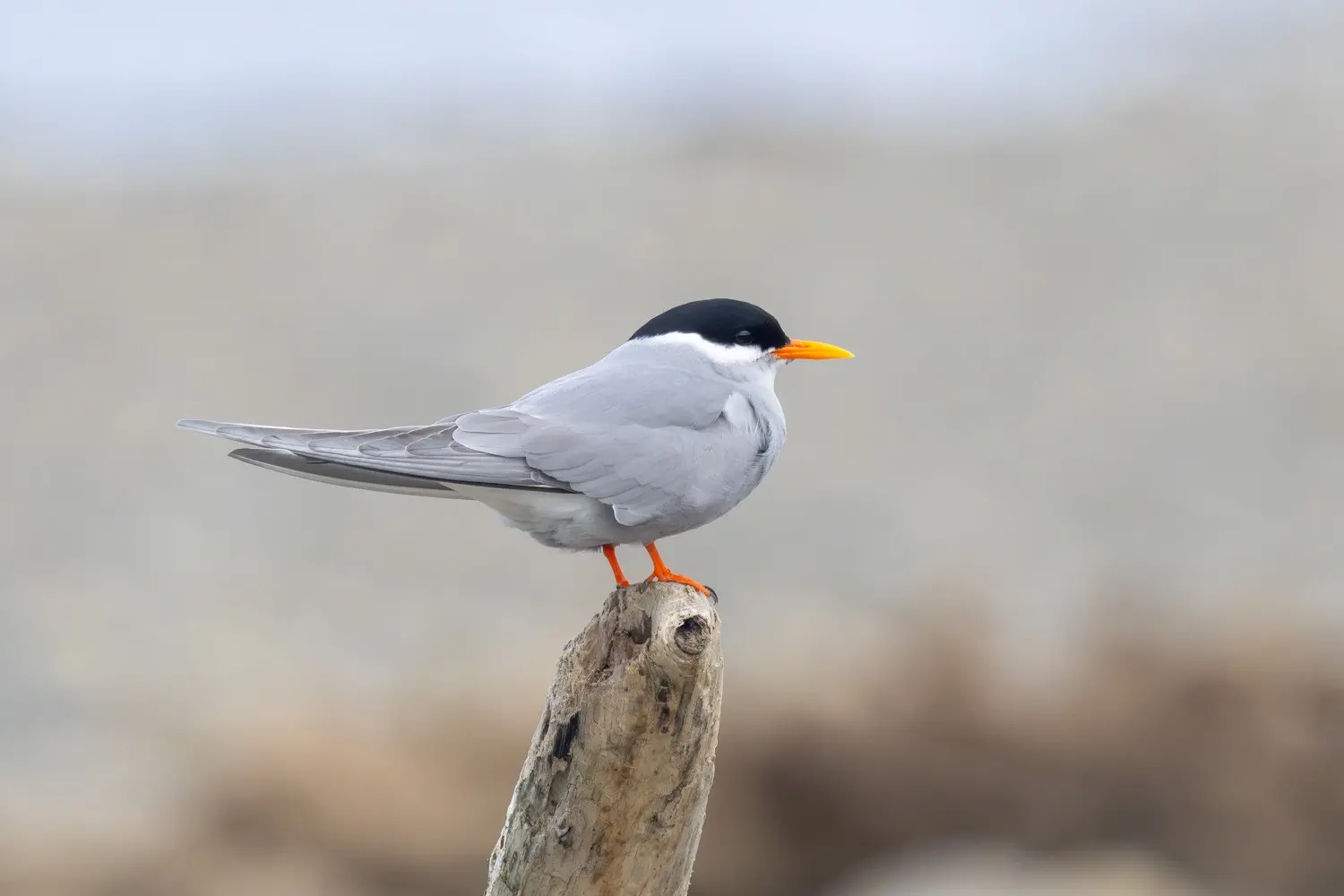
The nationally endangered black-fronted tern/tarapirohe is the focus for this year’s annual Welcome the Birds celebration in Waimakariri.
The event is held to welcome the Ashley-Rakahuri River’s rare and endangered birds back to their spring/summer breeding grounds along the river.
It is being hosted by the Waimakariri District council’s Greenspace team with support from the Department of Conservation, Environment Canterbury, the Waimakariri Biodiversity Trust, Pest Free Waimakariri, Welcoming Waimakariri and the Ashley-Rakahuri Rivercare Group (ARGG).
The welcome will feature a family-friendly celebration at the Te Aka Waikuku Estuary and Waikuku Hall this Sunday (August 30) from 9am to 1pm.
It will begin at the Annie Currie Viewing Platform at the estuary for a presentation from ARRG about the birds. After that visitors will head to the Waikuku Beach Hall where there will be the opportunity to decorate wooden bird cut-outs to add to the flock on display and learn more about the key endangered Ashley-Rakahuri River birds (the black-billed gull/tarāpuka, pied stilt/poaka, South Island pied oyster catcher/tōrea, wrybill/ngutu pare, black stilt/kakī, the banded dotterel/pohowera and the black-fronted tern/tarapirohe) the challenges they face and how we can protect them.
It was decided to focus on the black-fronted tern/tarapirohe this year because it is nationally endangered with only 5000 to 10,000 thought to remain and Canterbury is a stronghold for the species, supporting about 60% of the population.
``The black-fronted tern is the most endangered of all the Ashley-Rakahuri River birds and faces a precarious future," ARRG committeeman Nick Ledgard says.
``Small numbers can be seen ‘hawking’ up and down our local Ashley-Rakahuri river over winter, but the majority retreat to the coast for the colder months, before all return to breed on the riverbed in the spring, usually laying their first eggs during October," he says.
The declining population is largely attributed to losses caused by introduced predators, plus habitat modification and destruction.
Last season, trail cameras along the Ashley-Rakahuri River indicated that cats and hedgehogs were the predominant predators, although predation incidents of Norway rats, stoats, little owl, and black-billed gulls were also observed.
During the September to January breeding season, the black-fronted tern is generally the third most common braided-river bird species present and nests in colonies of up to 90 pairs. Last breeding season, 247 nests were located and monitored across six colonies.
Of these nests, only 84 (34%) hatched at least one chick and there were only 38 fledglings (young birds still unable to fly).
``This gives a productivity (chicks fledged per nest) of just 15%, which is well below the level needed to maintain a population," Nick says.