
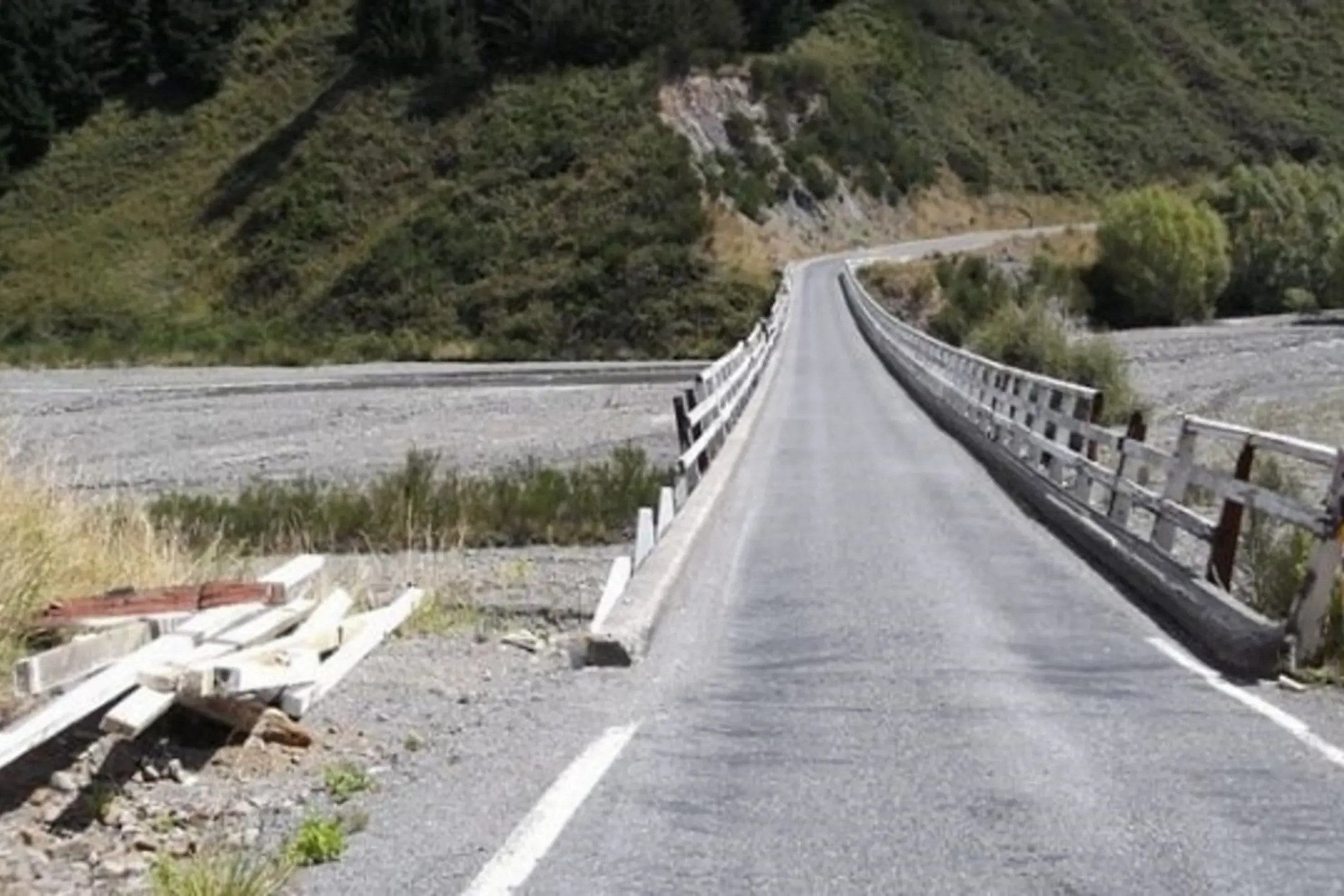
PHOTO
A rates cap could see major roading projects overlooked and infrastructure deteriorating, North Canterbury council leaders fear.
Waimakariri Mayor Dan Gordon and Hurunui District Council chief executive Hamish Dobbie say key projects like the Conway River bridge replacement on Kaikōura Inland Road could be at risk, with councils forced to make some “tough decisions”.
Under proposed rates cap legislation, councils will not be able to include projects in their 10-year Long Term Plans if they cannot fund them with a two to four percent rates cap.
Only projects included in Long Term Plans can be considered for co-funding from Waka Kotahi NZ Transport Agency in the National Land Transport Fund.
Mr Gordon said the rates cap will prevent growth councils like Waimakariri from being “aspirational” in its future planning.
“As a growth district, the council is in the process of prioritising our projects as part of our Long Term Plan, but it will be no surprise that projects like the Rangiora eastern link road and Skew Bridge (near Kaiapoi) are projects we will want to see included.”
Councils need to adopt their Long Term Plans by June 30 next year, but the 2027/30 National Land Transport Fund will not be announced until September.
It meant councils needed to adopt their Long Term Plans without knowing what co-funding will be available.
The Hurunui District Council has 286 bridges in its roading network, but a ratepayer base of just 9000 property owners.
The Conway bridge replacement was estimated to cost between $10m and $20m, with the Hurunui District Council eligible for a 53% subsidy on approved co-funded projects.
The Kaikōura Inland Road is the alternative route for State Highway 1 and the only option for oversized trucks unable to pass through the Kaikōura tunnels
Mr Dobbie said it would force the council to make some “tough decisions”.
“This council has always taken a hard look at rates increases and tried to manage them.”
The council ran several years of rate increases of between 10% and 15% after deciding to invest in its three waters infrastructure 10 years ago, after extensive consultation with the community, Mr Dobbie said.
Environment Canterbury chairperson Dr Deon Swiggs said every dollar spent on resilience and maintaining infrastructure, such as the Conway bridge, could save at least $5 in future recovery costs.
The Canterbury region had received just 5% of funding in the last two National Land Transport Fund three-year cycles.
“That makes it tough for councils trying to maintain and renew critical infrastructure,” Dr Swiggs said.
“Districts with small populations, and therefore small rating bases, simply cannot afford to fund infrastructure that is essential not only for their local communities, but also for regional resilience, tourism, freight movement and national connectivity.”
NZTA transport system planning regional manager Richard Osborne said the agency is aware of funding pressures facing councils.
“No-one wants a situation where roading infrastructure is deteriorating to the point of being a safety risk to users or having a significant negative impact on communities and the economy.”
NZTA’s 30 year transport plan, Arataki, addresses the challenges of funding transport and offers potential solutions, Mr Osborne said.
The report says traditional funding sources such as fuel excise and road user charges have not kept pace with costs, while Crown funding is uncertain.
■ LDR is local body journalism co-funded by RNZ and NZ On Air.