
PHOTO
As the curtain comes down on another year of film, Weekend Mix reviewer Amasio Jutel picks his top five ... or so.
As has become commonplace at the movies, in 2025, sequels and big-brand franchises dominated the box office, but few did so to mass critical and cultural reception.
The year’s big earners haven’t had the staying power that some under-the-radar flyers have.
This isn’t to say 2025 had the deepest field of underseen gems - although we had some spectacular highs, the second and third tier of movies has felt considerably weaker than in recent years previous.
I do, therefore, feel quite comfortable cordoning off and celebrating a select few that delighted me, including one or two runaway contenders for "best of the decade so far".
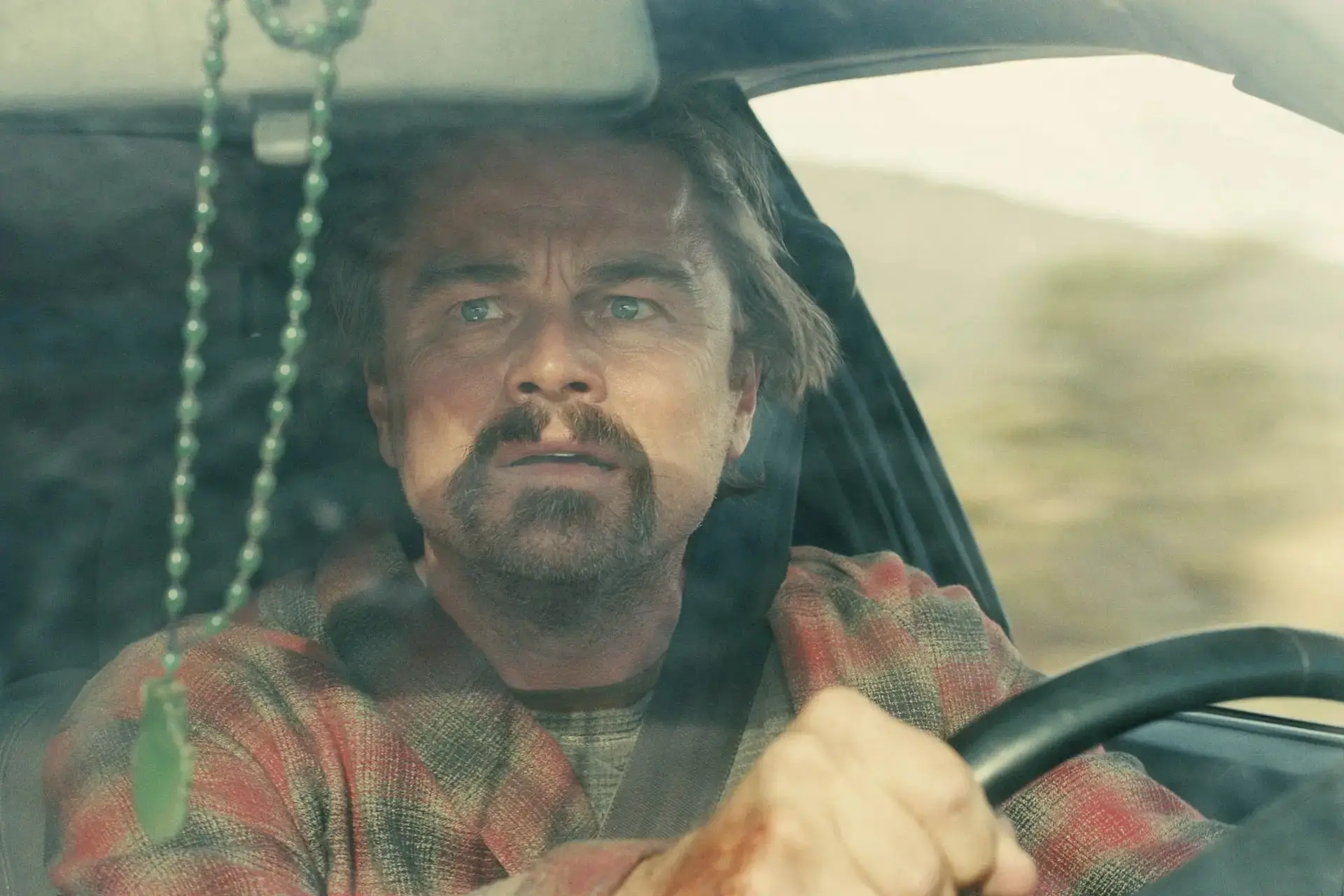
1. ONE BATTLE AFTER ANOTHER
Director: Paul Thomas Anderson
The powerhouse of 2025 was Paul Thomas Anderson’s highly anticipated One Battle After Another. Starring Leonardo DiCaprio as a has-been revolutionary, One Battle’s high-octane energy churns throughout its entire runtime.
Anderson’s adaptation of Thomas Pynchon’s novel Vineland gives that one-of-a-kind feeling of transcendence that only comes with such great works.
The propulsive score, story and cinematography are enrapturing, all while dealing with such heavy global political subject matter as the American military industrial complex enabling domestic terrorism and strategies of political resistance and activism to varying degrees of legality. Think Battle of Algiers as a daddy/daughter movie starring The Big Lebowski’s The Dude.
Anderson’s direction manages humility in its explosiveness; ambiguity amidst high stakes extractions; and bombastic car chases are leant authenticity by the entire cast’s robust performances.
From big action set pieces down to each minute detail - background shots of the kids in the refugee camps balling up aluminium foil blankets to play with, for example - Anderson’s clutch never slips. To the "lunatics, haters and punk trash", Paul Thomas Anderson sees you.
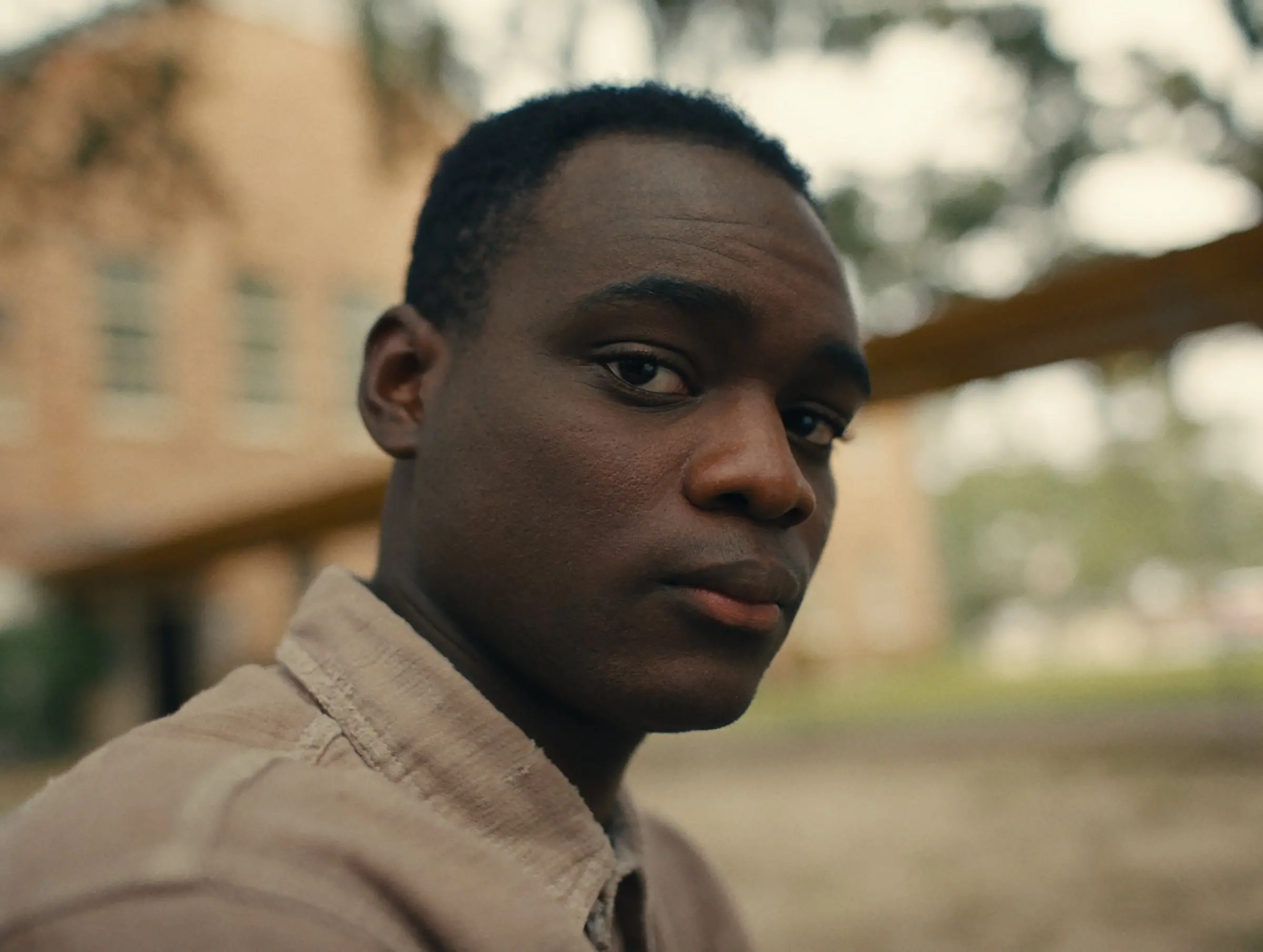
2. NICKEL BOYS
Director: Ramell Ross
Nickel Boys quietly makes its way to second place on this list. Not "quietly" for its lack of quality by any means, but Ramell Ross’ adaptation of the Colson Whitehead novel of the same name is everything cinematically One Battle is not.
Nickel Boys’ relatively muted cinematic style isn’t "slow" or "boring" - in fact, Nickel Boys’ innovative camera technique takes on the experience of consciousness in such a dramatically riveting way that its quietude is transfixing.
Set in Florida, in the 1960s, the film follows two young African-American men, Elwood and Turner, who are taken from their families and sent to the Nickel Academy, a reform school.
The camera brings the two together, structurally and emotionally, mimicking their conscious experience and using their gaze to convey internal emotional states and motivations to the audience.
The compassionate observational ambience is pushed against by the abuse the boys suffer, and non-linear flashes forward and back through time further aid the audience to consider what’s at stake.
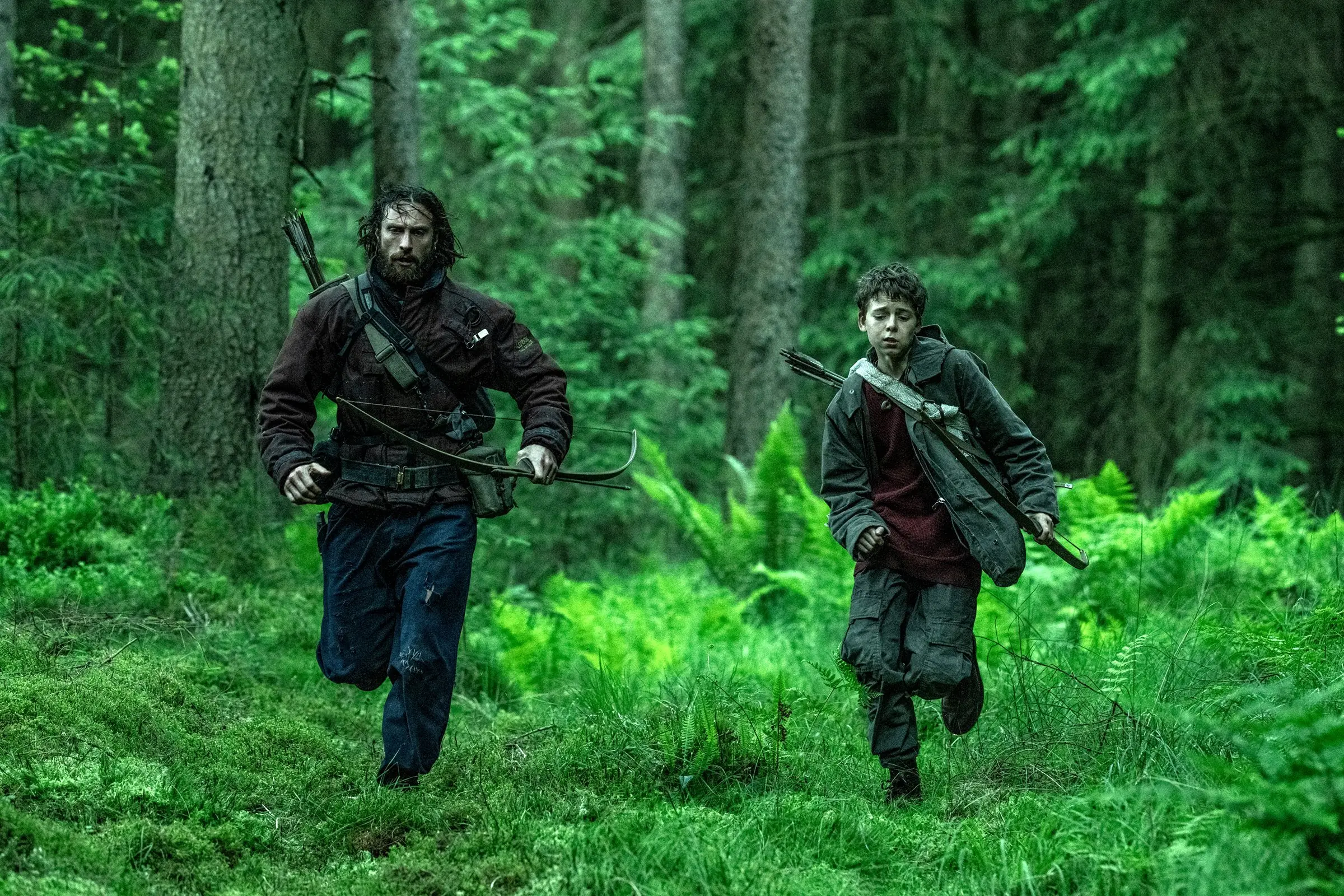
3. 28 YEARS LATER
Director: Danny Boyle
Danny Boyle’s legacy sequel zombie movie astonished and moved me. Despite the drastic change in iPhone megapixel resolution over 23 years, the zombie franchise’s visual style remains distinct.
Striking infrared sequences and freeze-frame bullet-time high-speed pans of explosions of infected blood and guts are staggering, and supplement the gruesome, genre-fare video game logic.
While I anticipated its visual and narrative excellence (reunited with writer Alex Garland, with whom Boyle has done his best work), I was deeply moved by its revelations around Ralph Fiennes’ and Jodie Comer’s characters in the third act.
The social allegory for the horror has been updated for some contemporary pertinency around Britain’s political isolationism. Garland’s forensic diagnosis of humanity - tribalism come nationalism, reverting back to apocalyptic tribalism post-zombies - marries deftly with Boyle’s humanistic directorial lens.
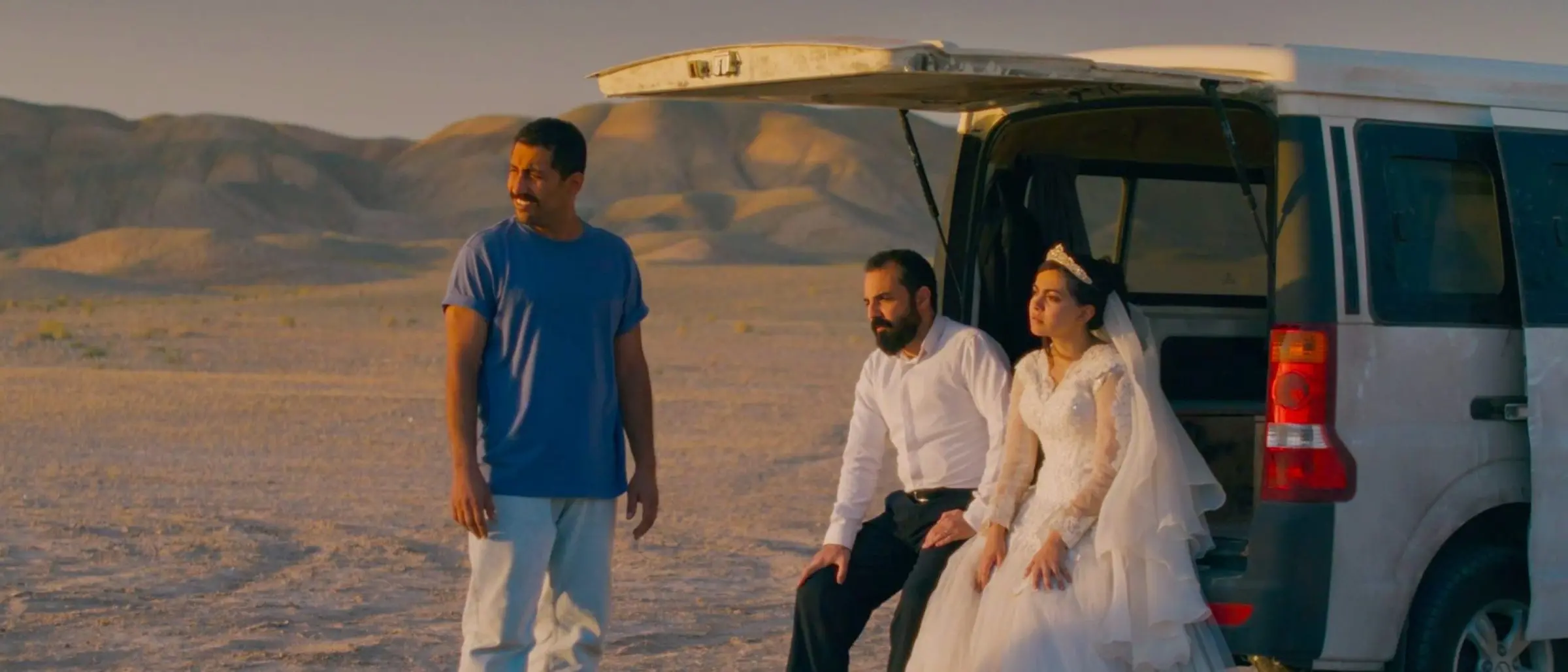
4. IT WAS JUST AN ACCIDENT
Director: Jafar Panahi
What would you do if you were convinced that the man who stumbled into your garage late one night was the intelligence officer who tortured you in prison? You never saw his face, but his smell, his walk, and his voice bring on that visceral dread you hadn’t felt since you were there.
Jafar Panahi continues to make incredibly thrilling, deeply political and thoroughly critical movies about his home nation, Iran. Panahi, whose films are frequently banned in Iran, was sentenced to six years in prison and a ban on film-making, charged with creating "propaganda" against the Iranian state, but despite this, he continues to make films in secret, living in exile.
It Was Just An Accident is thoroughly measured and precise, channelling the rage of the everyman hurt by Iran’s surveillance state. Its thrill is in its doubt, whether Vahid can be certain the man he’s kidnapped is who he thinks he is. It Was Just An Accident still manages to be quite funny, despite its dark subject matter, and has a profound and haunting ending sequence that solidifies its place on this list.
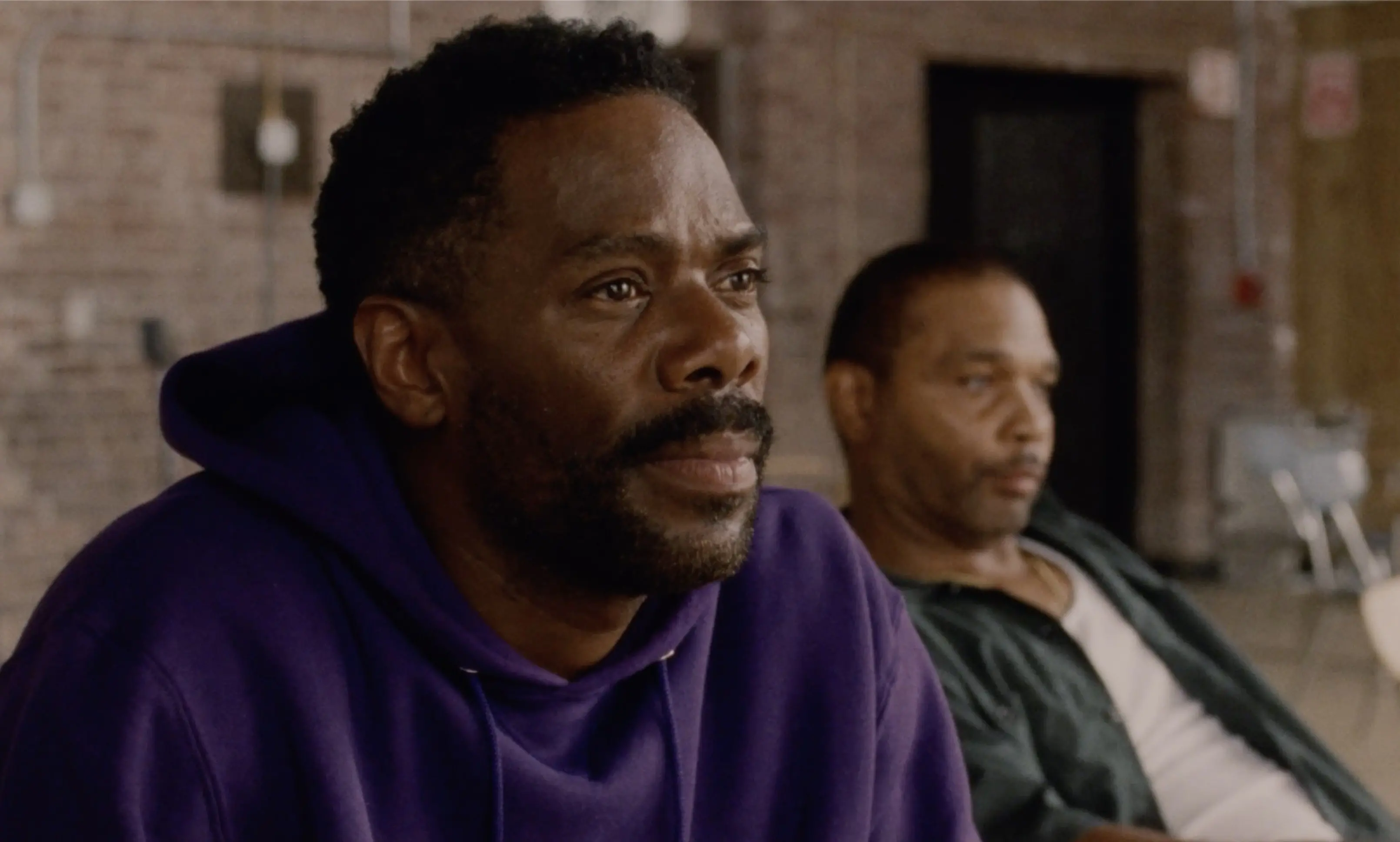
5. SING SING & TRAIN DREAMS
Directors: Greg Kwedar (Sing Sing) & Clint Bentley (Train Dreams)
I’m a sucker for cheating a list, so sharing my fifth place spot are Greg Kwedar and Clint Bentley’s co-written but separately directed Sing Sing and Train Dreams.
These are two films that do away with traditional narrative, following human emotions and relationships over story-telling payoffs. Kwedar’s Sing Sing finds warmth inside the cold walls of prison, Bentley’s Train Dreams unpacks early 20th-century industrial alienation in the cinematic embrace of the natural world.
Both films share a vivid and emotional cinematic language. Hand-held close-ups bring us into Sing Sing’s characters, and carefully precise framing zooms us out into Train Dreams’ protagonist’s indifferent world.
HONOURABLE MENTIONS
I’m disappointed not to be including Cloud, the latest from Japanese horror/thriller master Kiyoshi Kurosawa, in the top 5, just narrowly missing out. Kurosawa’s favourite subject, the social abyss of the internet, returns in this revenge-thriller-in-reverse about an online reseller and his disgruntled clients.
Ari Aster’s Eddington turns the director’s eye away from the pure horror of his breakthrough work to social horror, in this absurd and apocalyptic, early-pandemic thriller about doomscrolling alienation and 5G conspiracy theories.
Eva Victor’s dry wit compassionately unpacks healing and the survivor experience in Sorry, Baby. Incredibly well-scripted, Sorry, Baby comes together in the edit, unfurling like an emotional puzzle as each chapter jumps forward and back through time.
The purest execution of pure horror at the cinema this year was Zach Creggar’s Weapons, in which familiar violent imagery (school shooter paranoia and police brutality) is transposed into something sinisterly supernatural.
I’ll spare a few words for James Cameron’s third Avatar film, Avatar: Fire and Ash, which continues to be deeply moving with mind-blowing graphic effects, but doesn’t quite reach the heights of his 2022 entry, Avatar: The Way of Water.
There’s no way to wrap up 2025 without talking about the cultural sensation of the year, Sinners (directed by Ryan Coogler). Its Ocean’s 11-like assembly of character and composition leading into its final act is stellar, but its messy fake-out endings, half-executed analogies, and overly sentimental flashbacks stumble over what was an incredibly compelling set-up.