
PHOTO
Pheasant Wood is a quiet and remote spot near Fromelles, a small village in French Flanders. But on July 19 1916, it was a scene of utter hell.
Under the command of Sir Richard Haking, a gung-ho British general, the Australian 5th division — fresh from Gallipoli — was given the impossible task of advancing over no man’s land to seize the “Sugar Loaf”, a heavily defended German bastion. Five thousand young Australians went over the top, and 2000 were killed, the worst day in our neighbour’s military history. The whole point of this futile exercise was to restrain the German command from sending troops to bolster their defences against British assaults during the Battle of the Somme.
After the armistice in November 1918, the War Graves Commission began the gruesome task of finding the dead and interring them in one of the hundreds of war cemeteries. One unresolved mystery has only fairly recently received the attention it deserves: what of the 2000 Australians who were mown down at Fromelles? German records have revealed that they collected the dead and buried them in mass graves, but where?
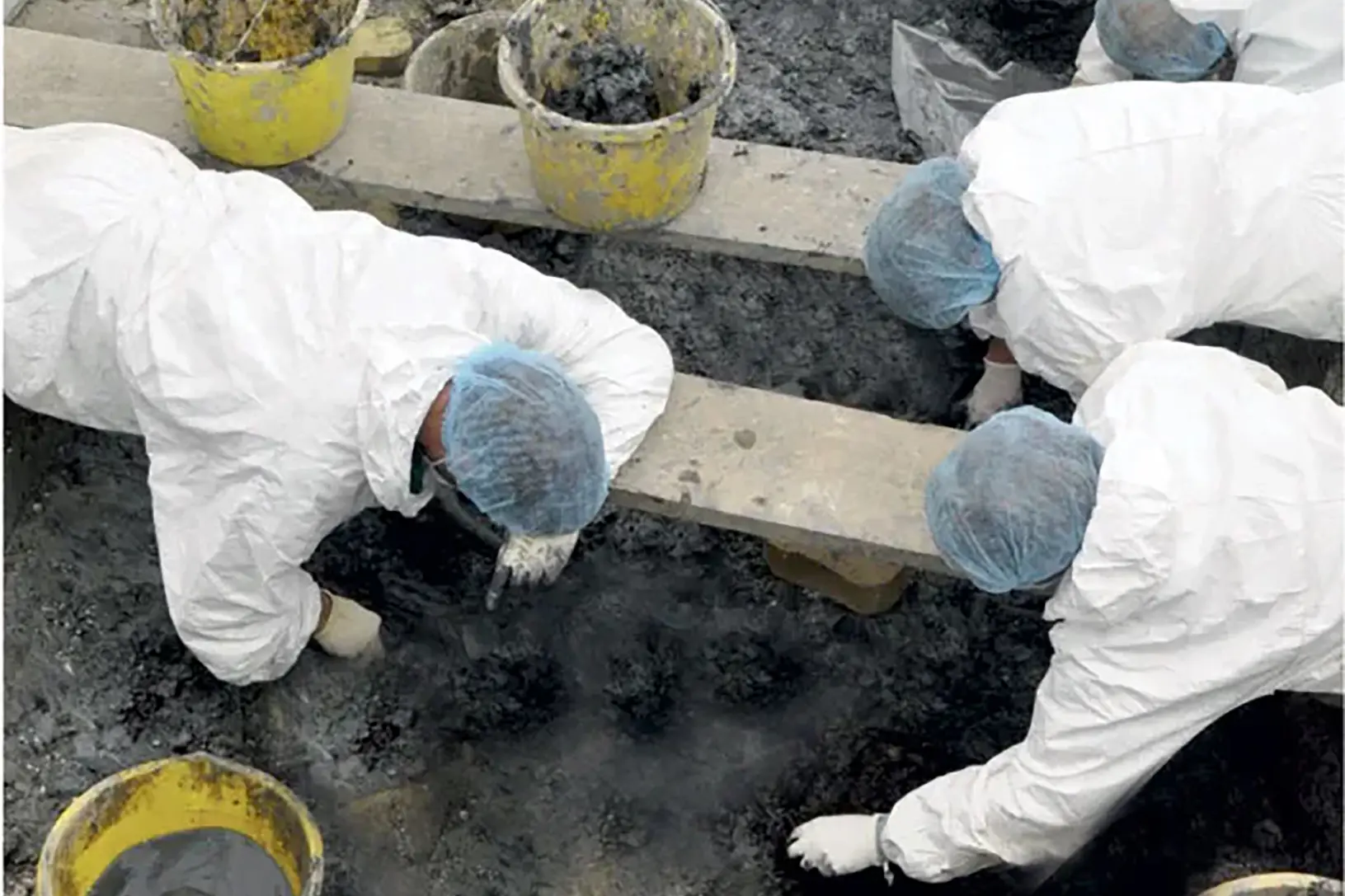
With the assistance of ground penetrating radar, pits were identified near Pheasant Wood, and this is where archaeologists were summoned to do what they do best — deploy a team of specialists to excavate, record and forensically examine the human remains. A team from Oxford University was contracted and they set to work.
Two layers of skeletons were exhumed. It was a painstaking task, as the bones were often disarticulated. Remarkably, over 6000 artefacts were recovered, many of which are heartbreaking over a century later. There was a boomerang badge with a message inscribed “Return to me”. Another soldier had retained his return railway ticket from Fremantle to Perth for the homeward journey. There was a notebook with useful German expressions, one saying “Do not shoot”.
The Germans had meticulously taken all identity discs to be sent to the Allies in order to confirm the names of the dead. So there remained the necessary task of identifying the names and therefore the relatives of each soldier. In came the DNA specialists, and of the 250 sets of human remains found, 181 have now been named, their relatives have been identified and these lost soldiers are now buried under their own headstone.
Battlefield archaeology is a growing sub-discipline; it would be a great relief if one day, my great uncle Robert’s body could be found. He died three days before Fromelles, leading his men of the Durham Light Infantry over the top in their own ill-fated attack on the village of La Boisselle.