
PHOTO
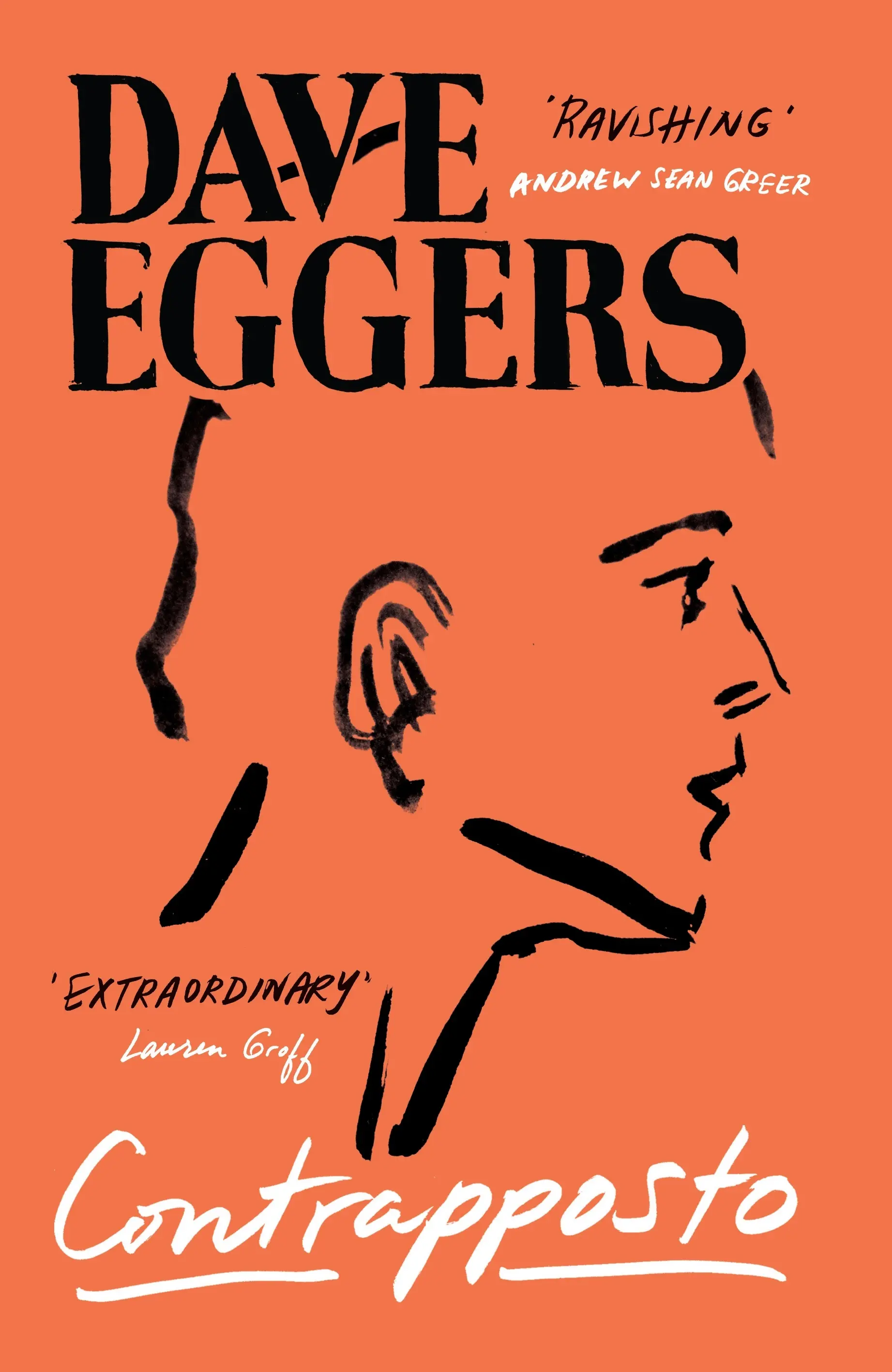
Contrapposto
By Dave Eggers
Allen & Unwin
Reviewed by Jessie Neilson
Contrapposto is Italian for “counterpose”, which in art means a figure standing in an asymmetrical pose, off-centre.
This depiction of the human form was considered more natural and relaxed than prior representations.
Our main character in the terrific adventure story, Contrapposto, spends his life wrestling with portrayals of the human form in art, and more widely, with his own material and ethereal forms while on earth.
From his formative moments with his grandfather, through relationships, workshops and travels, Cricket carefully sorts through his analyses of the world and how he thinks it should be.
The story unfolds in northwest Indiana in an uneventful prairie town, where Cricket is hanging out with his 80-year-old grandfather in the humid basement lodgings of their home.
Politically, it is a few years before the Gulf War.
Personally, Cricket is absorbed in drawing, noticing painterly flourishes and vivid colour around him.
He is choosing the empathetic company of his grandfather over the fraught energy of his mother upstairs.
The latest of her violent boyfriends is notable to Cricket for his “scalpel voice” and tiny vibrating eyes.
This novel is told in the third person, and Cricket comes across as a lonely, introspective boy, standing at a remove from the unfriendly world around him.
After his grandfather dies, he is alone, apart from his teenage and onwards friendships with Jed, with whom he works part-time at the Whistlestop train station snack shop, and the adored Olympia.
The latter is privileged and well-read, offering up a whole new landscape to Cricket, as she peppers conversations with fancy words and obscure art references.
The novel incorporates aspects of the picaresque form as we follow the progress of our fallible hero; he is extremely likeable, often mistaken or unsure, and there is an imaginative genius nestling in his mind which surely just needs to be released.
He is very much a flaneur, wandering the city streets and rural back roads in America, his initial visual impressions of people firmly memorised.
He notes his mother’s volleyball teammate, her eyes “the green of an accountant’s lamp, her wig a swirl of white gold”.
The loveliness of Olympia, with her caterpillar-soft fingers, is imprinted on his brain.
As with a keen sense of people, this translates into atmospheres around him, and from there, on to the page, a blank slate.
A building in the dark might be a lightless slab, the darkness of downtown relentless, a dim, marble mausoleum.
This substantial novel feels epic.
We are fixated on Cricket’s journeying as he leaves his small town environs for opportunities beyond.
Usually with him is his trusty pushbike, simple yet reliable.
His quest is to reach into the essence of art, to disregard all the pretension and hollow philosophies he sees masquerading.
Alongside this is his deepening awareness of others and their varied agendas, while his innocent rose-tinted view sometimes still shines through.
These wee quirks beam through the narrative; where riding home he might be struck with a “radiating, beatific love” towards the world, or when he is complimented by a mother figure and his heart soars.
American author Dave Eggers, like his protagonist, is enchanted by art and practises it.
This is a soaring work, a tale of hope, laid out with thought and care.
Whether or not Cricket will make it to Europe as an artist’s apprentice is beside the point, for the whole world is his palette with which to experiment, and finally to render his vision with fidelity.
Jessie Neilson is a University of Otago library assistant.