
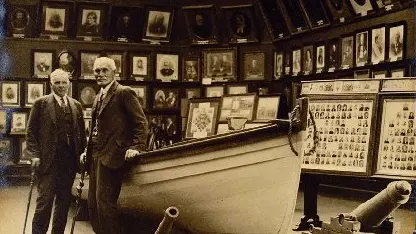
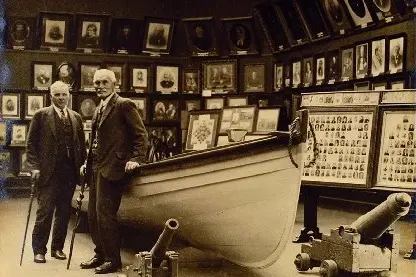
Standing beside the whaleboat Maori Girl in 1933 are James ‘‘Tiemi’’ Apes (right), an original Kai Tahu crew member, and Kenneth Ross, who restored the vessel. Photo from Toitu Otago Settlers Museum. : Charting the course of a harpoon
Standing beside the whaleboat Maori Girl in 1933 are James ‘‘Tiemi’’ Apes (right), an original Kai Tahu crew member, and Kenneth Ross, who restored the vessel. Photo from Toitu Otago Settlers Museum. : Charting the course of a harpoon
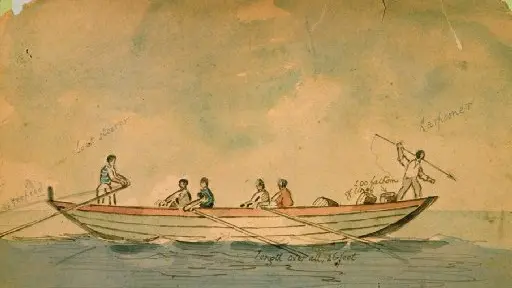
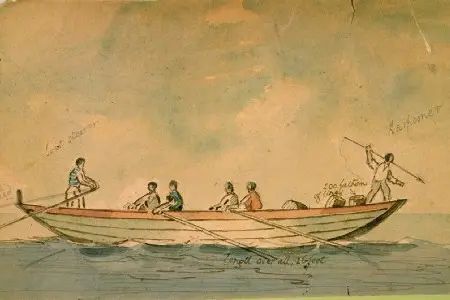
A picture of an early 19th-century whaleboat crew. Photo from Alexander Turnbull Library. : Charting the course of a harpoon
A picture of an early 19th-century whaleboat crew. Photo from Alexander Turnbull Library. : Charting the course of a harpoon
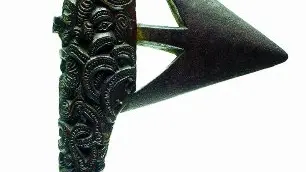
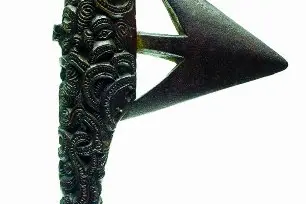
A patiti (hatchet) with a harpoon head. Photo from Museum of New Zealand Te Papa Tongarewa. : Charting the course of a harpoon
A patiti (hatchet) with a harpoon head. Photo from Museum of New Zealand Te Papa Tongarewa. : Charting the course of a harpoon
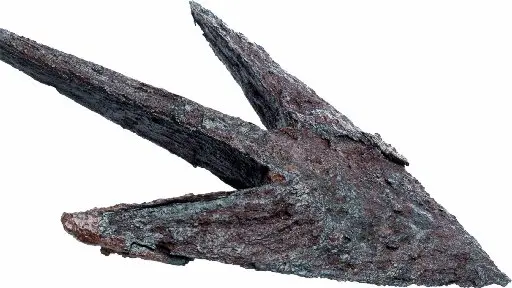
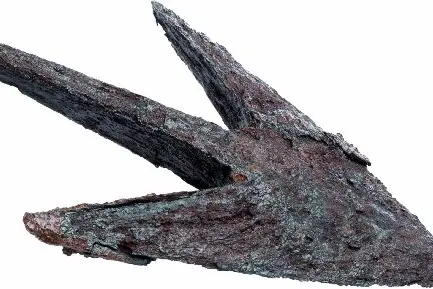
A harpoon head with shaft excavated from the site of the Oashore whaling station. Photo from University of Otago. : Charting the course of a harpoon
A harpoon head with shaft excavated from the site of the Oashore whaling station. Photo from University of Otago. : Charting the course of a harpoon
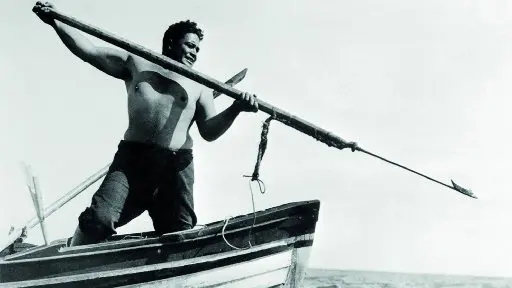
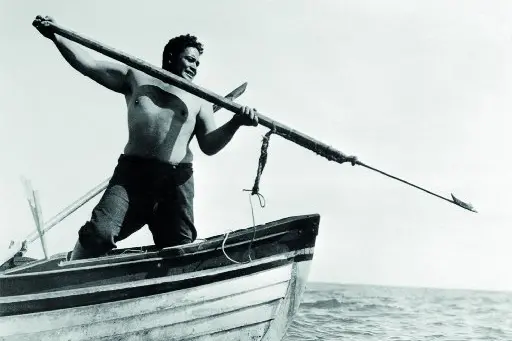
A Maori whaler aims a harpoon in 1936. The photograph was captioned: ‘‘A heroic (but vanishing) figure. With their almost obsolete methods, the natives achieve excellent results.’’ Photo from Corbis Images. : Charting the course of a harpoon
A Maori whaler aims a harpoon in 1936. The photograph was captioned: ‘‘A heroic (but vanishing) figure. With their almost obsolete methods, the natives achieve excellent results.’’ Photo from Corbis Images. : Charting the course of a harpoon
Charting the course of a harpoon
In The Lives of Colonial Objects, even the seemingly ordinary can offer exceptional insights into New Zealand's cultural fabric.