
PHOTO
Communities standing up for nature are benefiting from the seeds they have sown, writes Scott Willis.
Sap is rising and trees are in leaf, daffodils are in flower and paddocks are bouncing with lambs — spring is here. This is a joyful season of growth. The care we’ve put into the garden over winter means a bountiful season ahead.
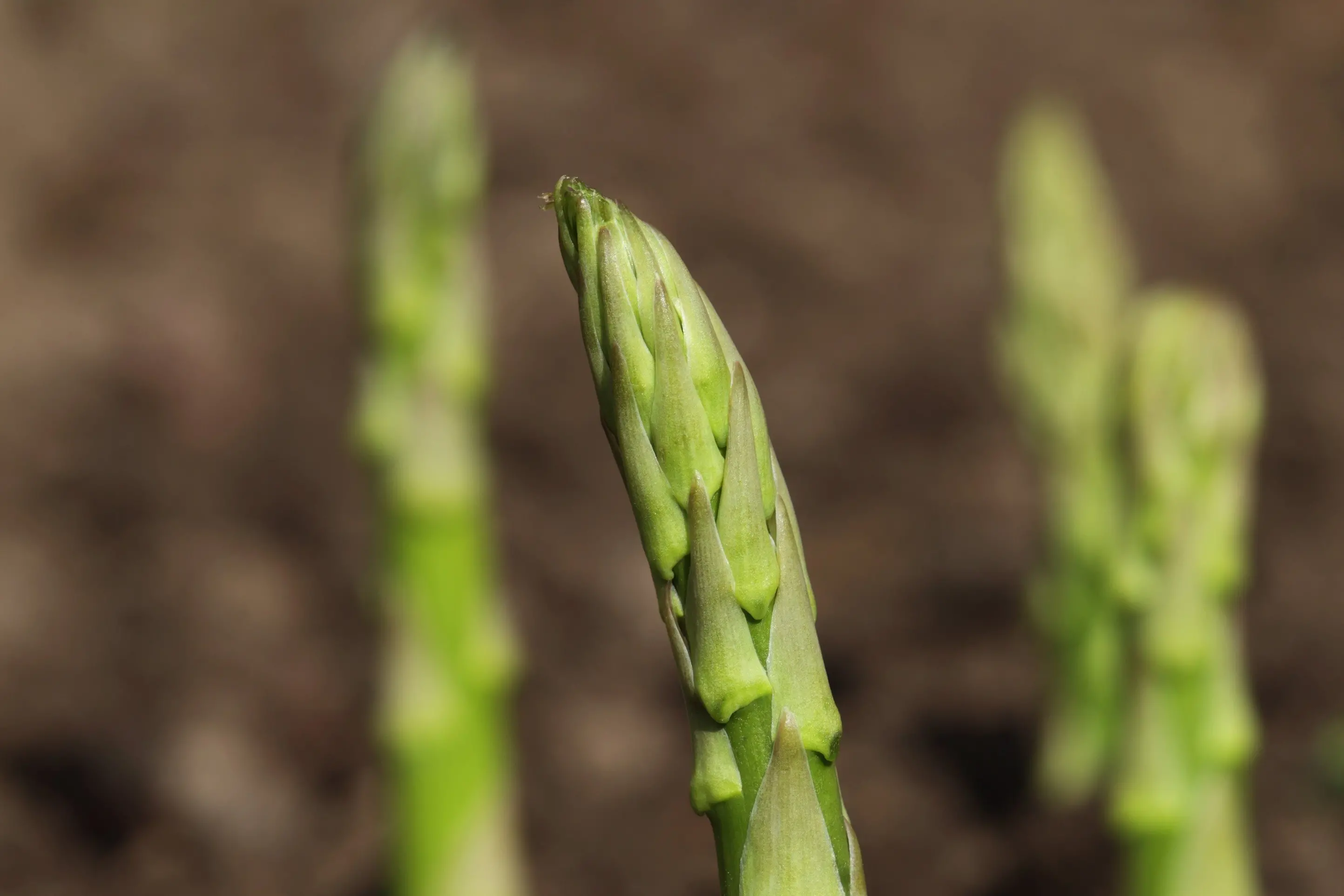
Spring weather is typically wild — wet, windy, sunny, cold, chilly — just all over the place. The birds are more lively, filling the kowhai as they feed. It’s a season that fills me with hope. It’s a time of resurgence, as I watch the asparagus tips push upwards.
And like the investment in nurturing the soil, and digging in the compost, we’re seeing people around the motu stand up collectively for nature.
Yet the seasons as we know them are changing as greenhouse gas emissions add more and more heat to the planet. This year we’re entering a super El Nino period, which will deliver even wilder, more extreme weather and temperature spikes.
For this reason, we need the growth in collective action to build resilience in the face of these challenges — the climate crisis, biodiversity loss, freshwater — the list goes on.
However, we must first confront some persistent vested interests. Denial is not just a river in Egypt. Donald Trump labelled climate change “the greatest con job ever perpetrated on the world” at the United Nations General Assembly and New Zealand First’s deputy leader Shane Jones repeats the US president’s mantra of “drill baby drill”, following it up with taxpayer subsidies for fossil fuel exploration.
Fortunately, these views look closer to reaching their use-by date in the face of rising public awareness and community investment in action for nature.
On September 19 more than 35,000 Kiwis joined the March for Nature to demand that the government scrap the Conservation Amendment Bill. Greenpeace Aotearoa executive director Dr Russel Norman said it best: “an attack on nature is an attack on all of us. It needs to stop”.
On the last day of Parliament there was a rally on the forecourt in front of Parliament. It was to celebrate another year of Aotearoa maintaining a GE Free status, achieved thanks to ordinary people who care about their food standing up and convincing parliamentarians to halt GE legislation.
In Taranaki, the community has risen up to oppose the LNG import terminal and to call for a renewable future, a future free from fossil fuels. Two of the coalition parties have felt the public pressure, bringing a halt to the LNG import terminal for now.
In Central Otago, hapū and community leaders have stood firm to defend the wealth in biodiversity and cultural values of the unique Bendigo/Ophir landscape, which has been threatened with destruction by the politics of greed. Rather than digging in compost they’ve brought expertise in landscape, ecology and freshwater management. They’ve demonstrated both the failings of the corporate developer and exposed the wealth of Bendigo just as it is and what we stand to lose if the government’s destructive agenda continues.
On the West Coast, Bathurst Resources, the company that is seeking to develop an opencast coal mine on the Denniston Plateau, and in the process destroy the plateau, a “unique landscape of vast sandstone pavements, fragile wetlands and historically rare ecosystems”, as described by Forest & Bird, has had its application to mine rejected as incomplete.
While climate scientists discuss climate tipping points, it is harder to identify social tipping points. It can happen suddenly, almost without warning, but the signs are multiplying that Kiwis really do care about our special places and really do care about protecting what we have for future generations.
Watching the tūī and bellbirds rustle about in the kōwhai I feel hope. Hope is the fuel for action, and it is like the sap rising — green sprouts emerge and flourish, just like the asparagus. This is what I am seeing all around the motu. Businesses taking steps to decarbonise, with things like solar panels, e-bikes and EVs, supporting community planting days. All the “electrify” groups — people making the electrification journey available to everyone, regardless of politics. And ordinary Kiwis putting themselves on the line to protect and restore our special places because we are nature and nature is us!
Scott Willis is a Green Party List MP based in Ōtepoti/Dunedin. Each week in this column writers address issues of sustainability.