
PHOTO
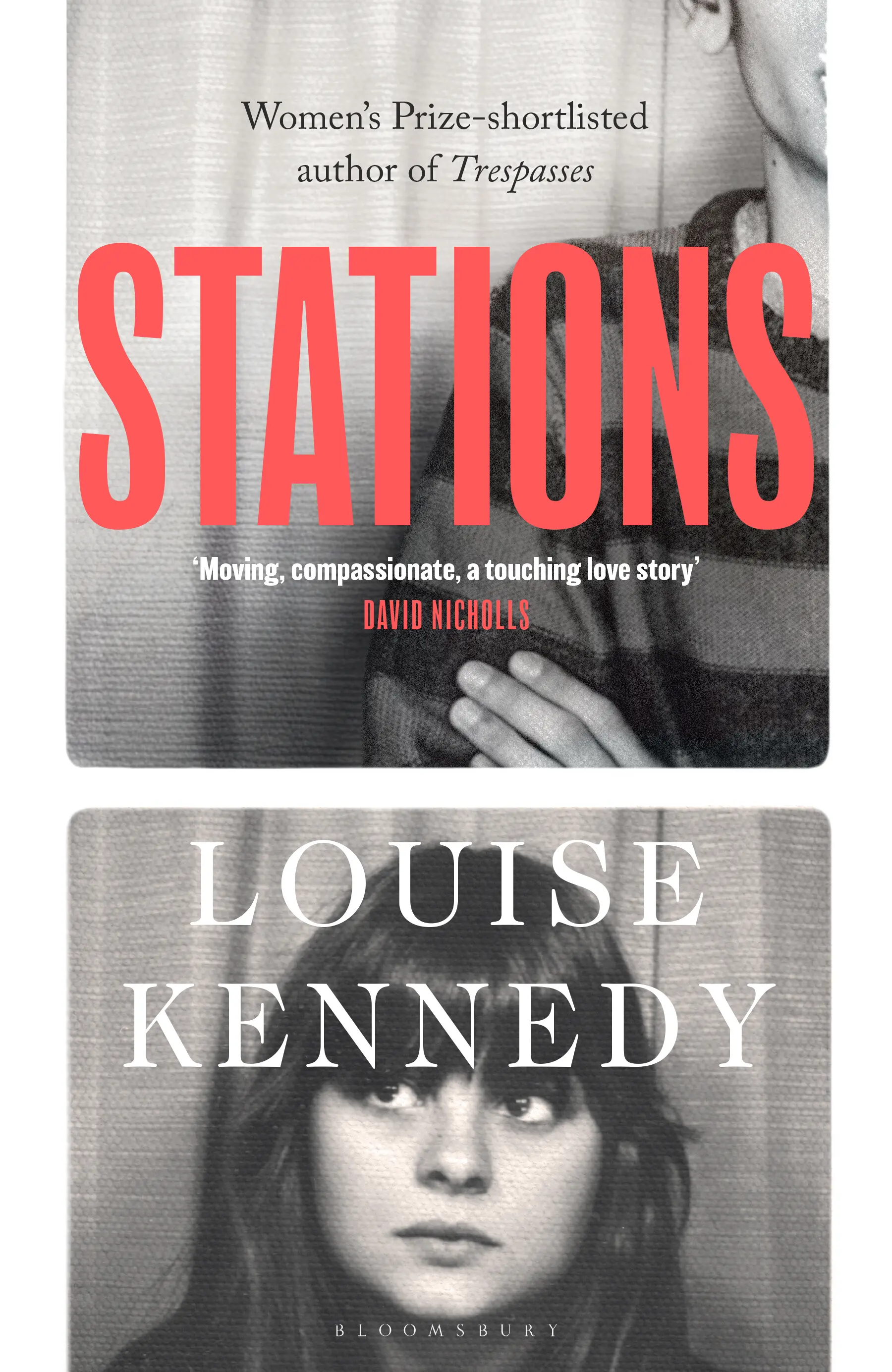
Stations
By Louise Kennedy
Bloomsbury
Devastating, raw, violent, scarcely relenting and real — the Via Dolorosa of Roisin McCaffrey.
Louise Kennedy’s Stations is related almost entirely from the point of view of Roisin, a 16-year-old in the opening chapters of the novel, in 1982, and 41, in 2007, at the close.
When not reporting in the first person, the narrator holds her close.
The reader becomes Roisin, feels as she does, experiences her infrequent joys and almost constant pain.
Roisin was born in Belfast, Northern Ireland, to south Irish, Catholic parents.
Her father, Conor, joined the Royal Ulster Constabulary (RUC) at a time when an effort was being made to recruit Catholics, in a vain attempt to dilute the ascendancy of Protestants.
It was a failure.
The Protestants distrusted Conor and the IRA threatened to shoot any Catholic who joined the force of the enemy.
Conor was in fear of his life and took the family back to live across the border in the south.
“He came home a twitching, sleepless wreck”, eventually leaving his family and Ireland, to hide in London.
At school in the south, Roisin, with a Belfast accent but an Irish name, does not fit neatly into the prejudices of her classmates at school.
She is protected by the girls’ current heart throb, Redmond “Red” Camelin, whose family, now Catholic, were descended from Huguenot Protestants.
In Ireland, all these aspects of your background matter intensely.
Roisin blamed her father for her tribulations.
Red fears his father.
In solidarity, Roisin and Red vow to become friends for life.
When Red runs away to London, Roisin soon joins him.
They find a home in a squat, together with other Irish folk their age and from their part of Ireland.
Fathers you cannot respect, broken homes, alcohol, drugs, the English prejudice against the Irish, the lack of real work, all conspire to make for the fires of hell.
Roisin and Red have the smarts.
They read widely, from Plato to Virginia Woolf, but find more comfort in popular ballads crying out with the pain of the young of their time.
In particular, Red’s experience of growing up in his family is so acute, that he cannot find sufficient comfort in Roisin’s declarations of love.
The first two thirds of Stations document the descent of the group into despair, poverty, dependency on alcohol and drugs to get through their days.
The language they speak and in which they think, is coarse, violent.
Nothing holds together.
Red becomes obsessed with Hogarth’s engravings of A Rake’s Progress as he becomes more estranged from Roisin, while desperately needing her holding presence.
The mid-chapters are harrowing, almost unbearable to read.
Roisin, however, is a fighter, tough and brutal.
The long denouement concentrates wholly on her re-evaluation of all her strops, her anger at the world, the misunderstandings she perpetuated.
It is scarcely redemption, but first steps in trying to see the world as others, in forgiveness rather than unremitting blame.
Louise Kennedy is a brilliant writer.
She makes dialogue work as revelations of complex points of view.
She has a complete grasp of the regional coarse-grained experience of The Stations of the Cross in the lives of the young, detached from homes and cultures that hold no values for them, hold out no hope or a future that is worth anything.
Amongst the many references to literature and song, Kennedy particularly acknowledges the influence of John Healy’s The Grass Arena.
Peter Stupples, now living in Wellington, used to teach at the University of Otago