

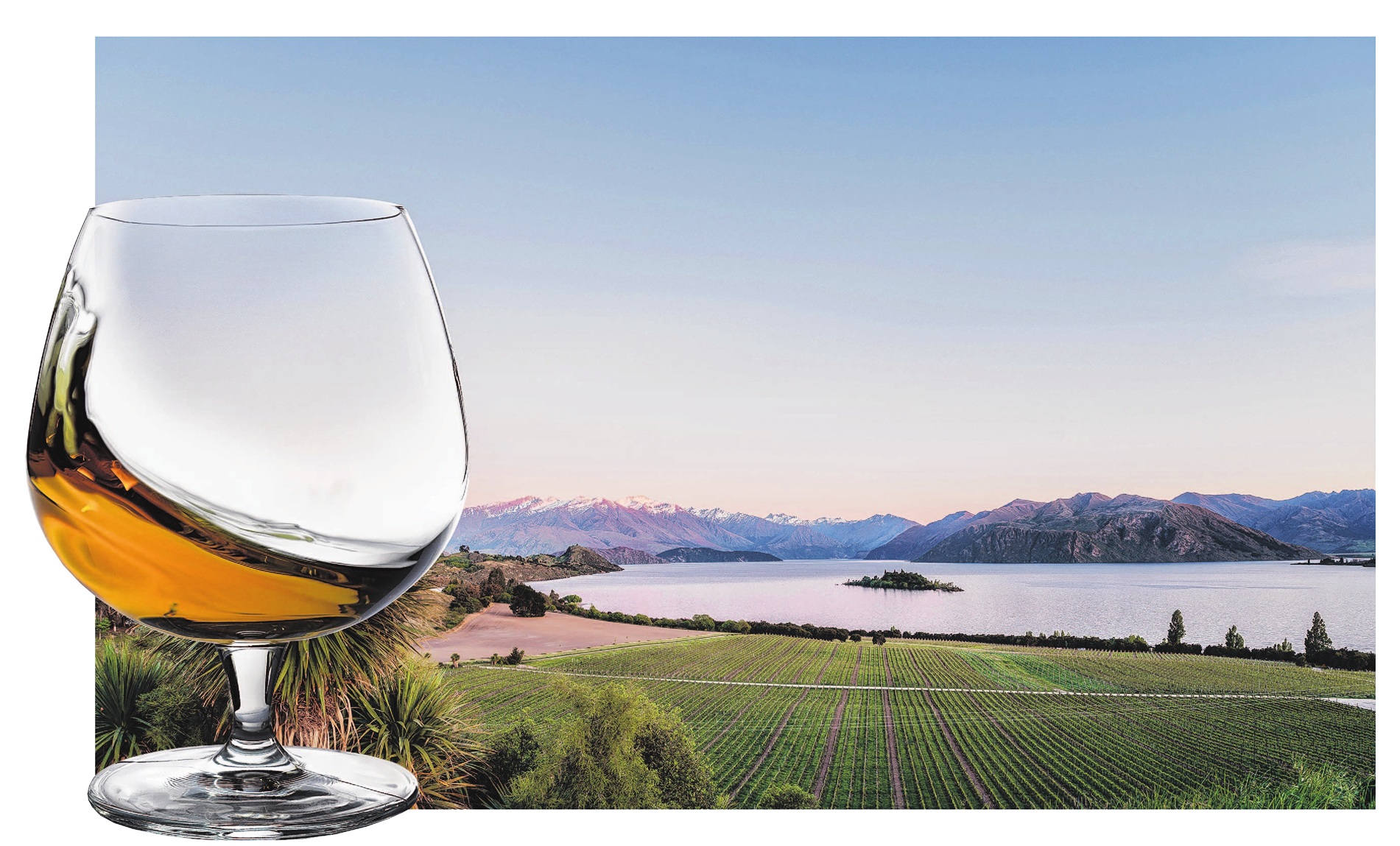
Given my soft spot for brandy and Cognac, I became ever more fascinated by the fine (pronounced feen), a brandy distilled from the pinot noir yeast lees left over after winemaking, a project going on at Felton Road Winery.

It sparked my determination to find out more.
In the case of both Felton Road and Rippon, who farm biodynamically, yeast lees would be returned to the farm or used in the making of compost, so the production of fine has a reuse/recycle aspect to it which will resonate with many today: a winemaking by-product is transformed into a high-value end product.
Producing and ageing fine/brandy is the complete antithesis to our age of instant gratification.
What I find incredibly humbling are the time frames involved in bringing these projects to fruition; three of the featured Central wineries are ageing their spirit for more than a decade. That’s an awful lot of time and energy (and no income) until the fine or brandy is deemed ready for release.
The spirit they are laying down today will likely be nurtured to its release by the next generation at the helm.
Moreover, keep in mind what French producers of brandy and Cognac call "the angel’s share" - a percentage of the fine/brandy evaporates through the pores of the barrels each year.
A recent article I read on a Cognac producer quoted a loss of 2% each year in a humid cellar, or 4% in a dry one: even taking the lower figure would mean that if you start with 100 litres of fine/brandy and age it for 12 years, you would lose more than 20 litres to "the angels".
Calling it a labour of love only scratches the surface: this is a passion.
A trip to Central Otago gave me the opportunity to delve more.
 Nick Mills of Rippon.
Nick Mills - Rippon
Nick Mills said "meet me at ‘the huddle’ at the tractor shed at Rippon at 7.50am", and I was grateful for that early start, as traffic on the Cromwell-Wānaka road was relatively light.
Once the informalities of the huddle were complete (introductions, meeting one another, discussing projects for the day and general vineyard housekeeping) I joined Nick at the winery to talk about his journey with distillates.
The genesis of his fine project came about from his time working in Burgundy, where a number of wineries have a tradition of producing fine/brandy, a marc/grappa and a ratafia; upon his return to Rippon in 2002 he was eager to build on that tradition himself.
The discovery that an engineer neighbour had his own still brought that goal to fruition, with the neighbour happy to let Nick use it. And as Nick recounted, it was not just any still, as this gentleman had researched stills and distilling, reading widely on the subject before drawing up his own plans. The neighbour then stood over the craftsmen as they fabricated the still, checking every weld, to ensure it was completed to his precise specifications.
This man clearly gained an excellent understanding of what he was doing, as Nick has learnt from experience that the still delivers distillate with wonderful richness and oiliness.
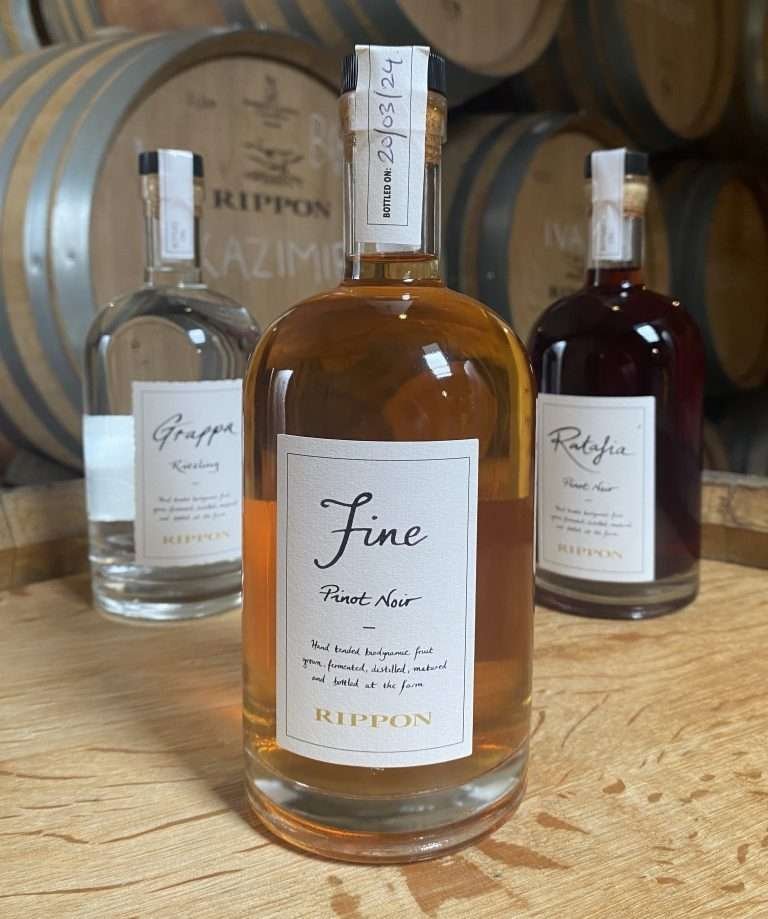
A few years after first working with the still, the neighbour offered to sell it to Nick, allowing the process to be totally controlled in-house.
For the first few years Nick made just a marc/grappa from his riesling skins. The pressed skins are rehydrated with warm water over several days and then re-fermented to produce a light, lower alcohol wine called piquette, which is then distilled to produce the pure spirit.
Once he had purchased the still he then began to also lay down spirit in barrels towards the production of fine.
For his fine, Nick uses a combination of pressings from the pinot noir skins and the yeast lees from barrels of pinot noir as the wash for his distillate. The resulting spirit then goes into barrels in a solera system, whereby bottling is done from a portion of the oldest barrel. That volume of fine is then topped up with the next youngest barrel, whose missing volume is topped up from the next-youngest barrel and so on and so on.
This creates not only consistency of style, but also the complexity from older spirit along with the freshness of younger material with an average age of around 12 years. The barrel spirit is around 65% but cut back with spring/distilled water to 45% before bottling.
The ratafia is a little like closing the loop, with pure spirit from the pinot noir skins and lees blended with unfermented pinot noir juice, giving wonderful integration. A small glass is the perfect reviver at lunch time on a cold, wintry pruning day.

Duncan Forsyth - Mount Edward
It had been too long since I last took the left hand turn off the Gibbston Highway up Coal Pit Rd to Mount Edward, but it is always a pleasure having a chat with Duncan Forsyth.
While we began talking and tasting wine, I was there to talk about their upcoming spirit, which will be labelled brandy as it is distilled from wine rather than from the wine lees. Duncan started his journey back in 2006 with the opening of Broken Heart distillery, the wine being distilled there. Over the years he has experimented; trialling a number of grape varieties before finally settling on a mix of riesling and gruner veltliner seven to eight years ago.
He has also moved to shorter, faster ferments for the brandy base as he feels these give him cleaner and clearer fruit definition, the texture coming with barrel age as the spirit moves from the wine based aromas of youth to the wood based aromas from barrel ageing.
He has trialled a variety of barrels as well, including bourbon and cognac, the whole process being one of constant fine tuning with the caveat to this that it takes years to see the final results.
With so few making fine/brandy in the district to bounce ideas off, Duncan reached out to to a master distiller in Cognac in France. She kindly agreed to be a mentor: samples are sent there for evaluation and her advice is helping him to further fine tune the process.
The spirit has a cask strength of 65% and is now being cut back with spring water over a period of time for greater integration, the final brandy being bottled at 42%. With material now up to 16 years of age, Duncan feels that around 12 years of age it hits "the sweet spot".
They began putting down larger volumes about six years ago, so when these make their way through the ageing process and are in full production, they will build up to larger volumes for sale.

Blair Walter - Felton Road Wines
My final visit was to Blair Walter at Felton Road Wines, yet it probably should have been the first, as the Felton Road Fine was the trigger that sparked my curiosity for this rare distillate.
I was aware that they were barrel ageing fine, and that a handful of treasured bottles had been sent to some of their international distributors, but their goal was to gradually build volume towards eventual commercial release, keeping things somewhat under the radar.
Catching up with Blair invariably entails catching up with the industry before it was time to talk fine.
The nugget of an idea for fine was in Blair’s mind in the early 2000s, leading to him beginning to store wine lees towards that goal from 2004.
Things got under way in earnest in 2006 when Joerg Henkenhaf founded the Broken Heart distillery near Arrowtown. Impressed with the quality of what Joerg was producing, Blair met him very early in the piece with the aim of becoming a foundation client in what would, by necessity, be a long-term project and it’s a relationship that continues to this day.
That first batch of spirit from their pinot noir lees went into their "mother barrel", the foundation of their perpetual solera.
While the purity of the spirit that Broken Heart produces is a key component in each final bottle of fine, it will come as no surprise that the quality of the wine lees sent for distillation is equally important: any failings will only be amplified by distillation and time in barrel.
Blair referenced a tasting he had done in France of a lineup of fine where he had been disappointed by the variation in quality. As he put it, "if you put rubbish in, you’ll get rubbish out".
Felton Road is aiming for an average age of roughly 11-12 years for its fine and a bottling strength of 42% ABV. The barrel strength is cut back by natural creek water from springs on the property which is not adjusted in any way. Blair feels the water is part of the terroir of the property and the expression of the site. Blair mentioned that at a strength of 41%-42% you can get a little cloudiness, something that bigger producers would remove by filtering/chill filtering, but they elect to keep things as simple as possible.

Grant Taylor - Valli
And there I thought the story ended, until hearing that Valli may have a brandy in the works. This necessitated a stopover in Kurow in early 2025 to visit the Valli tasting room there and catch up with Grant Taylor.
And sure enough there is one in the pipeline, having been distilled and now barrel-aged at Auld Farm Distillery in Scott’s Gap in Otautau.
Grant filled me in on a few details. From a single year it is 100% Tempranillo harvested in 2022 and distilled from wine off the lees, aged (he was pretty confident) in an American oak ex bourbon barrel. It is aged at higher strength and then the aim is to cut it back to 40% using spring water off their farm. Its projected release is this year, when it will be around 4-plus years old.

And more . . . .
On top of that I was talking to Richard Wilson from Sandymount Distillery on Otago Peninsula recently, as I knew he was also working on a brandy. He has released his maiden bottling, which is distilled from a 90%/10% pinot noir/chardonnay blend from Central Otago, matured in the traditional solera system in aged pinot noir barrels.
So suddenly, we have a raft of fine and brandy to explore, although the volumes of these will necessarily remain tiny. The best course of action to secure a bottle would be to get on the respective producers’ mailing lists, keep a sharp eye out for release dates and don’t dither!
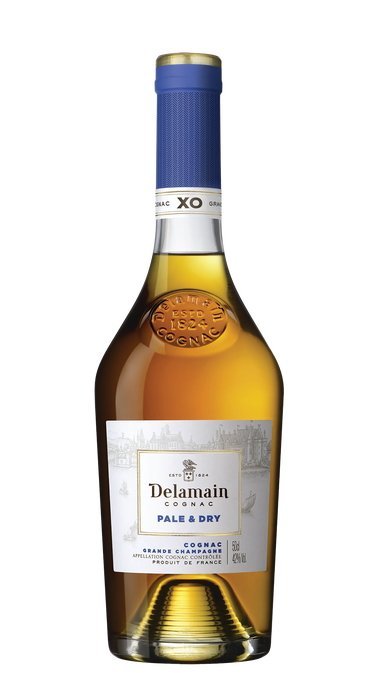
I had an incredible and rare tasting lineup, slipping in an XO Cognac, made exclusively from eaux-de-vie of Grande Champagne, matured in 350-litre barrels of old Limousin oak, in its centuries-old cellars on the banks of the Charente, in west-central France, for comparison.

Brandy
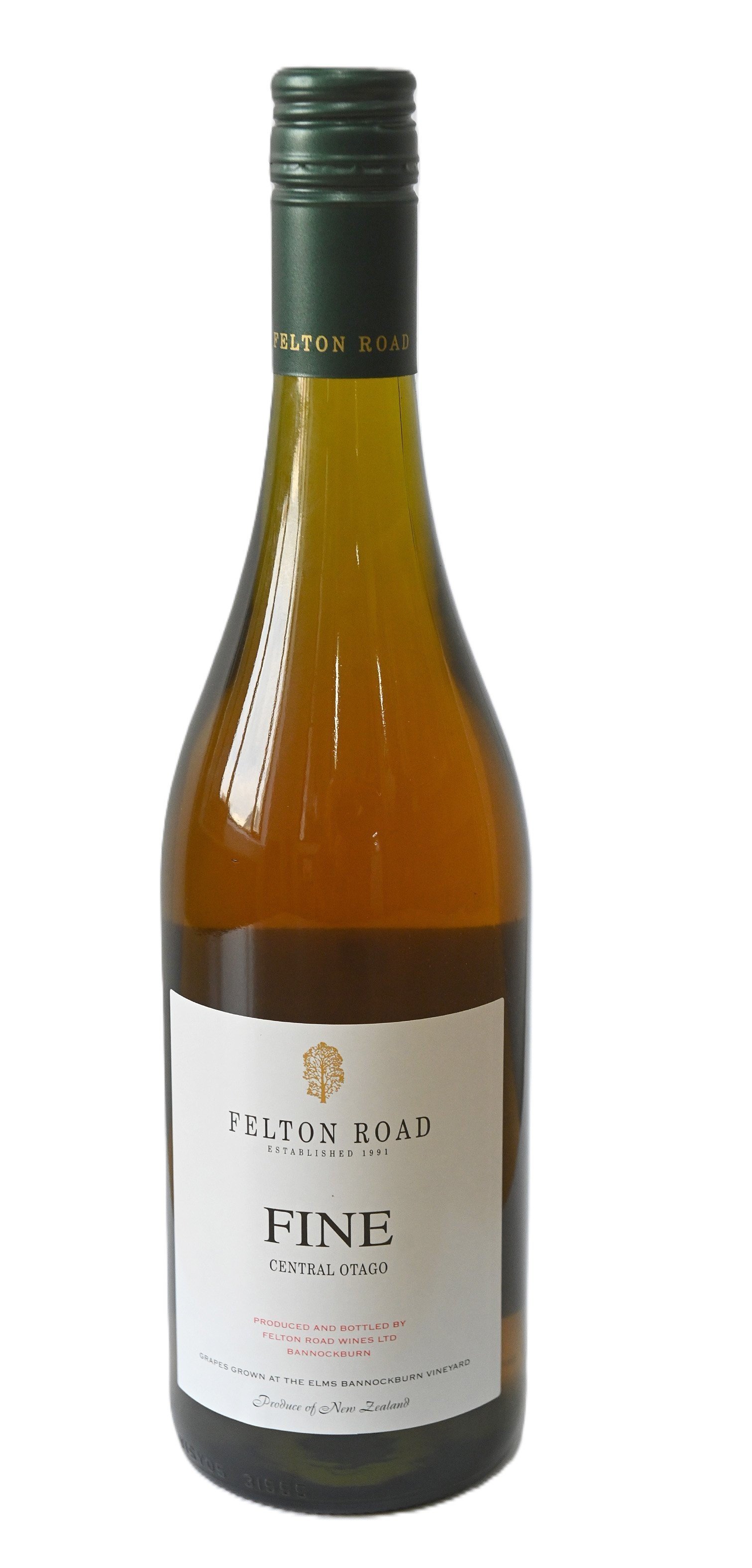
Price Mailing List around $145
Gorgeous nose, malt biscuit, almost a peaty smokiness, fragrance, spices, becomes beautifully perfumed, citrus, florals, woody notes coming in. Rich, mouth-filling, fresh grapes, caramel, nuttiness, dried dates, wonderfully long spicy carry, a sense of elegance.
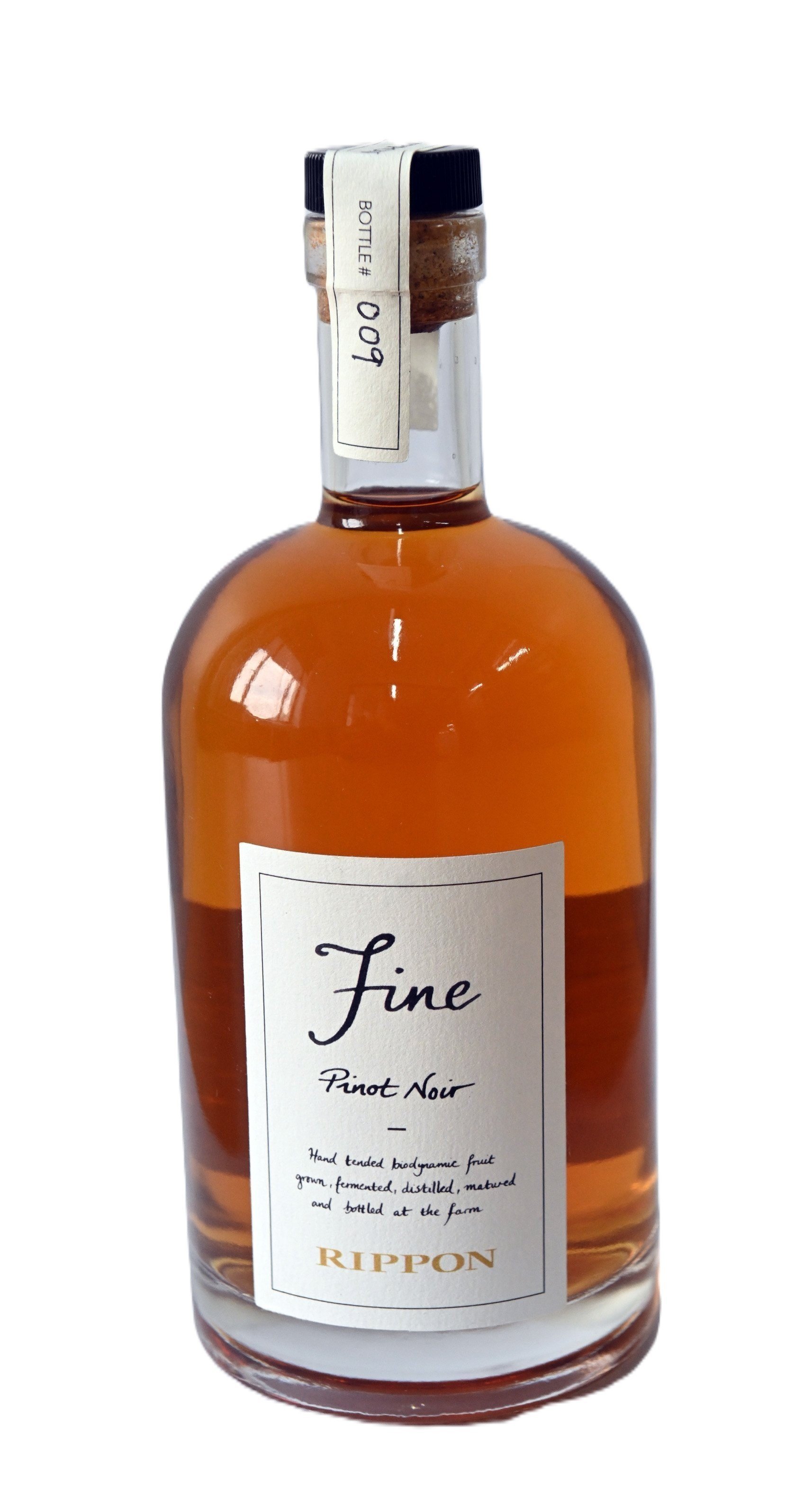
Price Mailing List $155 (500ml)
Fruit esters, nashi pear, tropical fruits, smoke, stony minerals, a fresh almost minty note, a hint of toffee/clotted cream. Creaminess, silky mouthfeel, tropical fruits, cocoa nib, wood notes, earthy, spices, a long, creamy palate, Christmas cake, a lovely warming spirity close.
Valli Brandy (a barrel sample at 30 months)
Price To be determined
Peach skin, caramel, butterscotch, baking spices, perfumed, youthfully fresh, wood influences. Baguette, clotted cream, butter, butterscotch and grilled nuts.
Price RRP $180 (500ml)
Delivers power with elegance and fineness. Vanilla, orange zest, apricot, spices. Wonderfully smooth and rich palate continues the journey adding a touch of ginger, nothing out of place. Wonderfully integrated, elegance, depth without weight, beguiling.
Sandymount Pinot Noir Brandy
Price RRP $99 (700ml)
Grilled nuts, dried/glace fruits, spice/baking spices, dates/Christmas fruit mince, brown butter. Quite fine and elegant. With time in the glass there’s that real Christmas cake aspect with cinnamon and nutmeg spice to the fore.
Mount Edward XO Brandy
Price RRP approx $250 (500ml)
Wonderfully fragrant, Christmas mince and Christmas cake, dates, caramel, glacé fruits, cinnamon, baking spices, a lightly toffee element. Creamy richness to the front palate which is all about baking spices and Christmas cake, seasoned with a touch of clotted cream, the typical spirity richness on the close.


