
PHOTO

Australian-Italian nutritionist, university lecturer and food creative Melanie Lionello says this way of cooking is built on a foundation of cheap, long-lasting staple ingredients including pasta, rice, polenta, potatoes, bread, legumes and wholegrains.
It was seen in ancient Rome, where paganism was popular and people honoured the seasons and Mother Nature by eating seasonally and relying on the staple ingredients to create the base of their meals.
“Fast forward to today, and there are still so many amazing Italian recipes made in the cucina-povera style. Think classic, simple dishes such as cacio e pepe spaghetti, pasta with chickpeas and Tuscan tomato bread soup.’’
Lionello grew up on this way of cooking and now champions vegetables, wholegrains and legumes any chance she gets.
“I’ll take home-style, rustic food, made with readily available ingredients, over fine dining any day.’’
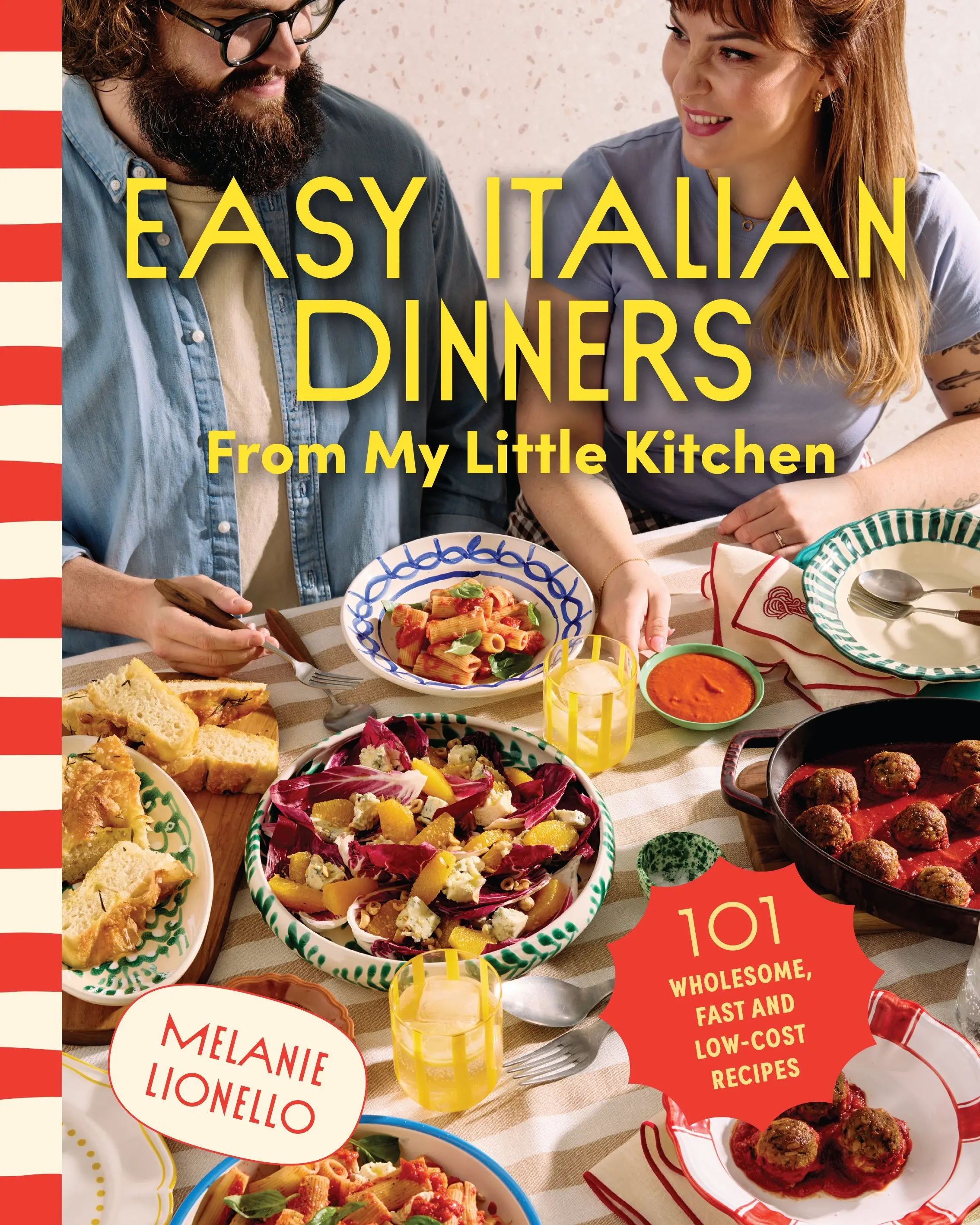
So her book Easy Italian Dinners From My Little Kitchen features recipes that have been nutritionally analysed, costed to highlight if they are high-protein, high-fibre, veggie-packed, vegan or budget friendly.
The book
Images and text from Easy Italian Dinners From My Little Kitchen by Melanie Lionello, photography by Mark Roper, published by Murdoch Books, RRP: $45

Creamy garlic chicken gnocchi
Creamy garlic chicken gnocchi ticks every single box I can think of. Protein-packed. High in fibre. Affordable. Creamy. Garlicky. Potato. One-pan. Delicious. Budget friendly. Proceed with caution - you might fall in love, just like I have!
SERVES: 4
6-8 (800g) boneless chicken thighs, skin on
30g smoked paprika
60ml (¼ cup) extra-virgin olive oil
1 large onion, sliced
6 garlic cloves, sliced
250g frozen spinach cubes
750ml to 1 litre (3-4 cups) chicken stock (adjust based on desired consistency)
500g shop-bought potato gnocchi or 1 quantity homemade potato gnocchi
60ml (¼ cup) thickened (heavy) cream, or to taste (optional - I love this recipe both with and without, so you can enjoy it either way)
Salt and freshly ground black pepper, to taste
Lemon wedges, to serve
Method
Preheat the oven to 170°C fan-forced.
Place the chicken in a bowl and sprinkle with the paprika, ensuring all sides are coated.
Heat the olive oil in a large ovenproof frying pan over medium-high heat.
Place the spiced chicken thighs skin-side down in the pan. Sear for about 4-5 minutes each side until the skin is golden brown and crispy. Remove the chicken from the pan and set aside.
To the same pan, add the onion and cook for 5-6 minutes until softened and slightly caramelised. Add the garlic and cook for a further 1-2 minutes until fragrant but not browned. Add the frozen spinach cubes to the pan and stir until they start to thaw.
Pour in 750ml (3 cups) of the chicken stock and bring to a simmer, scraping up any browned bits from the bottom of the pan.
Stir in the uncooked potato gnocchi, distributing it evenly in the pan. Place the seared chicken thighs on top of the gnocchi, skin-side up.
Transfer the pan to the oven. Bake for 25-30 minutes, until the chicken is cooked through and the gnocchi is tender.
After baking, remove the chicken thighs from the pan and set them aside.
If using, stir the cream (add more if desired) into the gnocchi and spinach mixture until the sauce becomes creamy and coats the gnocchi. Add more stock if the sauce is too thick and season with salt and pepper. Return the chicken thighs to the pan or plate them separately. Squeeze fresh lemon juice over the dish and serve immediately.
Refrigerate in an airtight container for up to a day or freeze the chicken and sauce for up to three months, but cook the gnocchi fresh.
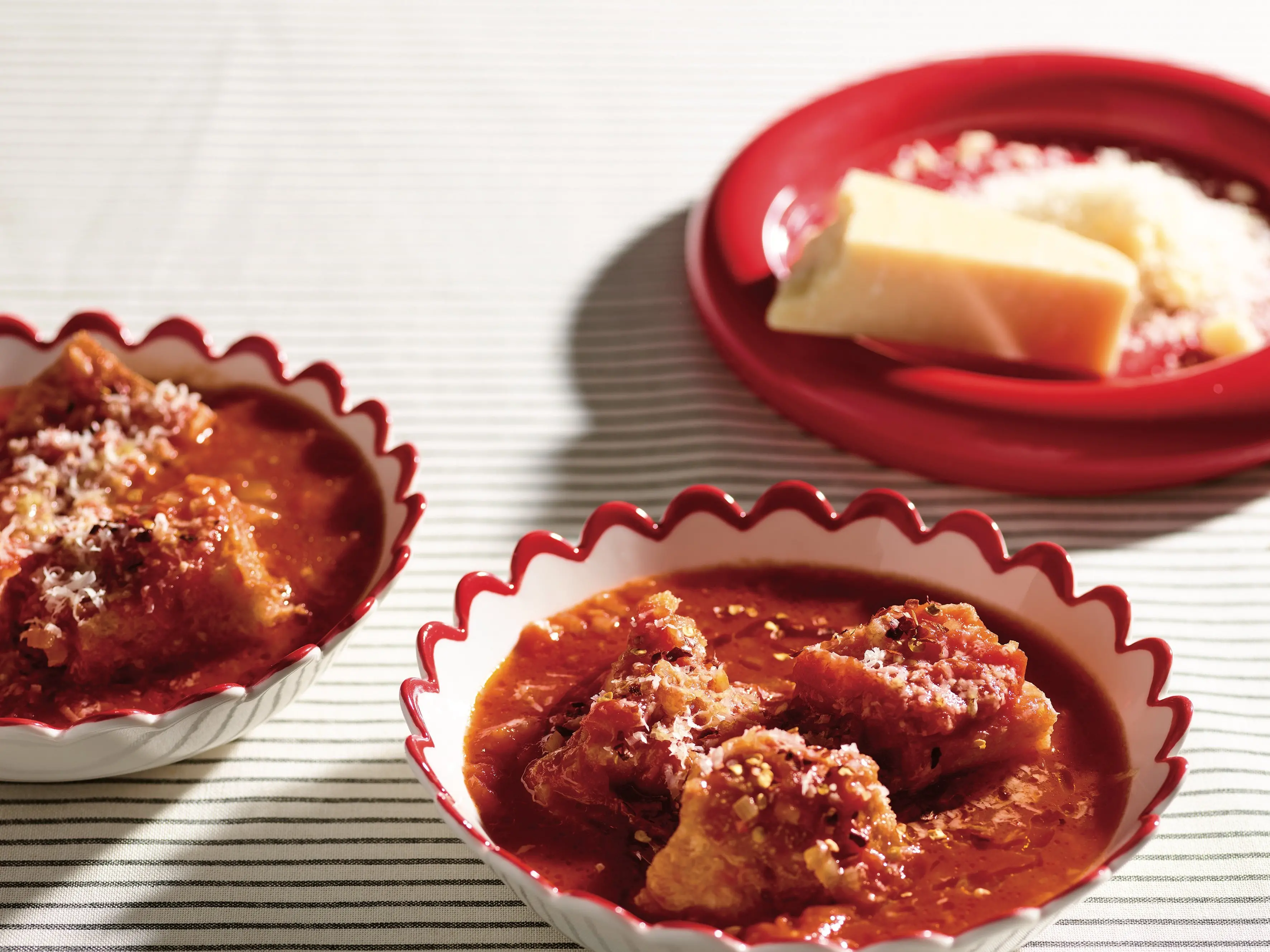
Tuscan tomato and bread soup
SERVES: 4
60ml (¼ cup) extra-virgin olive oil, plus extra to drizzle (optional)
3 garlic cloves, minced
1 onion, very finely diced
2 × 400g tins pelati (whole) tomatoes
1 litre (4 cups) chicken or vegetable stock
8 thick slices of stale bread (see note), cut into 3cm square chunks
40g grated parmesan, to serve (optional)
Chilli (either fresh or flakes), to serve (optional)
Method
Heat the olive oil in a heavy-based saucepan over medium heat.
Add the garlic and onion and sauté for 4-5 minutes, stirring, until the mixture is very fragrant and the onion is translucent. If the onion or garlic begin to brown, reduce the heat - you don’t want to fry them, just soften them.
Add the tomatoes to a bowl and squash each tomato in your hand to break them up roughly. Repeat until all the tomatoes are squashed, then add them to the saucepan along with the stock.
Bring to a simmer, then place a lid on the saucepan and cook for 10-15 minutes until everything is cooked and tender. You can cook this for as long as you like, really - I usually leave it to cook on low for a while longer, while I finish work or other dinner preparation.
When you’re almost ready to eat, place the bread in the pan and stir it through. Cook for another 5 minutes until the soup has thickened. Add the grated parmesan and stir again. You can do this for longer if you prefer a thicker, denser soup but I prefer the texture “just cooked”.
Serve in bowls sprinkled with some extra grated parmesan, if desired. I also love adding a drizzle of extra-virgin olive oil and a little fresh chilli. Season to taste.
Refrigerate in an airtight container for up to a day, or freeze the soup, without the bread, for up to three months.
Note:
The best kind of stale bread is pane di casa, sourdough or any sturdy/hard style of bread or bread roll.

Pork, sage and lemon mini meatball stew
SERVES: 4
500g minced (ground) pork
100g (1 cup) dried breadcrumbs
1 egg
Zest of 1 lemon
Handful of sage leaves, finely chopped, plus extra whole leaves to garnish
1 tsp sea salt flakes
Freshly ground black pepper
60ml (¼ cup) extra-virgin olive oil
3 garlic cloves, bruised
1 onion, sliced
1 heaped Tbsp flour
750ml (3 cups) chicken stock
Polenta (see recipe below) or crusty bread, to serve
Method
Place the pork in a large bowl along with the breadcrumbs, egg, lemon zest, chopped sage, salt and a generous amount of pepper. Mix well using your hands until the mixture is evenly combined. (Alternatively, you can do this in a food processor and pulse until the mixture is evenly combined.) Roll into small meatballs, each about the size of a walnut, and set aside on a plate.
Heat the olive oil in a large deep non-stick frying pan or wide saucepan over medium heat. Add the meatballs (depending on the size of your pan, you may need to cook them in batches) and cook for 8-10 minutes, turning occasionally, until browned all over but not fully cooked through. Remove and set aside on a plate.
Add the garlic and onion to the same pan. Cook for 10 minutes, stirring often, or until the onion is softened and lightly golden. Sprinkle the flour in and stir well for a minute to cook.
Slowly pour in the stock, stirring constantly to prevent lumps. Bring to a simmer, then return the meatballs to the pan along with any juices.
Reduce the heat to low and simmer gently for 20-25 minutes, or until the meatballs are cooked through and the stew has thickened slightly.
Check the seasoning and adjust with more salt or pepper if needed. Serve hot, ideally with polenta or crusty bread to soak up the sauce, topped with a few sage leaves.
Refrigerate in an airtight container for up to two days, or freeze for up to three months.
Polenta
800ml water or full cream (whole) milk (see notes)
1 tsp sea salt flakes
170g polenta (see notes)
40g parmesan, grated
Method
In a medium saucepan over medium-high heat, bring the water or milk to a gentle boil. Stir in the salt. Reduce the heat to low and slowly add the polenta in a steady stream. Stir the water and polenta slowly for the first 5 minutes, as the mixture thickens and the water and polenta no longer separate from one another.
Reduce the heat to low and let the polenta cook, stirring every couple of minutes to prevent sticking, for 15-20 minutes until smooth and creamy. Add the parmesan and stir it through for 1 minute. If the polenta thickens too much, add a splash of warm water or milk to loosen it.
Taste and adjust the seasoning if needed, then serve hot.
Notes
• Make sure you’re not using a polenta “mix” or instant polenta for this recipe. They are best prepared according to the packet instructions.
This recipe is for traditional stone-ground coarse polenta, which requires extended cooking. Mixes or instant polenta can usually cook within a minute or two but have a different texture and flavour.
• If I’m making polenta for breakfast as a porridge (oatmeal) to be eaten with honey, maple syrup or fruit, I will always make it with milk.
You can also prepare savoury polenta with milk if you’re after extra protein and a creamier texture. I use milk when pairing the polenta with my Northern Italian umido stew, but you can do it either way depending on your preference.