Alex Elliott-Howery and Jaimee Edwards. Photo: supplied
Open your fridge or pantry, check your fruit bowl, then turn what you find into delicious meals, side dishes, condiments or baked goods, is the advice of Alex Elliott-Howery and Jaimee Edwards, whose book, The Food Saver’s A-Z, is aimed at reducing food waste while putting yummy, affordable and nutritious food on the table.
The Sydney-based pair runs the Cornersmith Cooking School, where they teach traditional kitchen skills and highlight the importance of seasonal eating and reducing food waste.
"We know the food choices we make can play an important role in alleviating environmental problems, reducing food waste, avoiding excess packaging, managing budgets and building healthy bodies, but we also know it’s not an easy feat."
The pair describe themselves as enthusiastic self-taught cooks and experienced teachers who, after having children, turned themselves inside out to be preservative-free, wholesome and eco-conscious.
Now their children are older, life is busier and more complicated, making a self-sufficient approach to food production and cooking more difficult.
"We haven’t given up on homemade everything, but we’ve learnt how to cut corners, focus on our priorities and develop ‘hacks’ for sanity and sustainability."
While they would love to spend a day bottling tomatoes, they are now more into perfecting quick tips and tricks that will keep kitchen scraps out of the bin and recipes that are versatile enough to stretch over a few dinners.
"We looked to the cooks from less wasteful times for lessons in resourcefulness and thrift - rustic meals, wartime rations - to really learn for ourselves and show readers how to make the most out of every ingredient."
The book
The Food Savers A-Z, by Alex Elliott-Howery and Jaimee Edwards, published by Murdoch Books, RRP $55
Photo: Getty Images
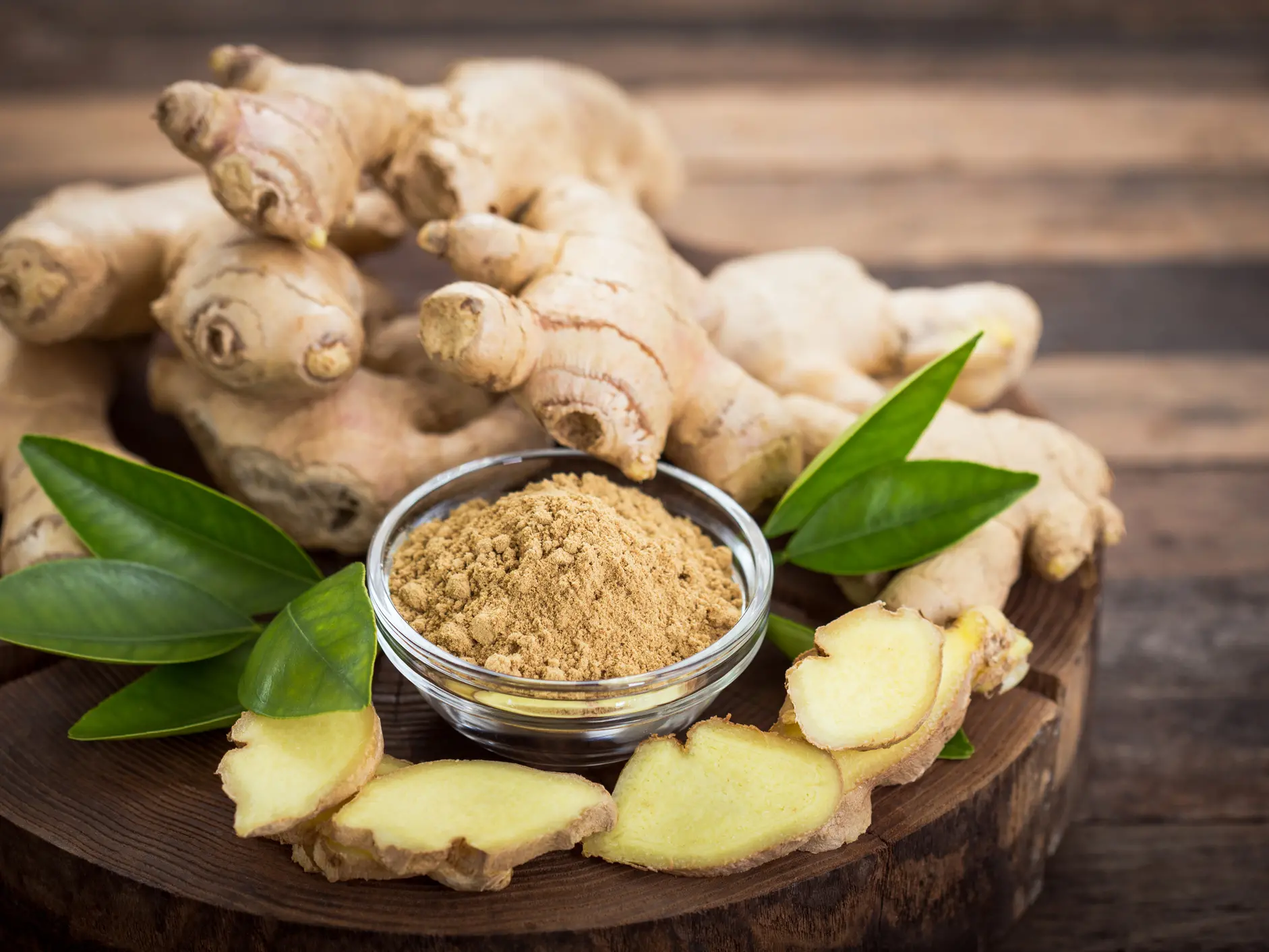
Ginger
Ginger’s warmth and deep earthy notes, punctuated by lemon and camphor, add richness and spice to savoury and sweet cooking. Or not even cooking: add a knob of fresh ginger to hot water and you have a sinus-clearing, stomach-settling tea in seconds. Ginger is another ingredient that seems to linger in small knobs, getting dry and wrinkly with neglect. But even these small pieces pack a punch of flavour, so don’t overlook them. Gather them up and make use of their surprising strength.
Goes with Garlic, chilli, warm spices (such as cinnamon, cloves, allspice, coriander seeds, mustard seeds, cumin, turmeric, curry leaves, star anise), lemongrass, most vegetables, citrus fruits, rhubarb, apples, pears, quince, stone fruits, bananas, mango, passionfruit, pineapple, honey, nuts and seeds, lentils, coriander, mint, quinoa, miso, tofu, chickpeas, chicken, beef, pork, chocolate
Storage
Store ginger in the fridge in a paper bag. Keep the skin on and it will be fine for a few weeks. For longer storage, freeze ginger in a small airtight container, then use a microplane to shave it straight into your dishes from frozen.
Substitutes
Depending on what you’re using ginger for, you have a few options if you need a substitute. Ground ginger is handy stuff and can be used for sweet or savoury cooking. Watch out though: its more potent than fresh ginger, so use less of it. If you’re using ginger as a warm spice in cooking, then consider cinnamon, nutmeg or star anise as a replacement.
Using odd ends of ginger
• Whip up a sticky, spicy dipping sauce for dumplings, stir-fries or fish fingers. Grate at least 1cm of ginger into a small bowl. Add one tablespoon each of soy sauce and honey, and one teaspoon sesame oil or chilli oil. Double or triple the quantities if you have more of everything
• Make mapo tofu, it’s ginger city
• Grate ginger into your next batch of compote, marmalade or fruity jam
• Add slices of ginger to jars of pickled chillies, okra, beetroot or grapes
• Include plenty of ginger in your home-made kimchi
• Ginger oxymel Follow the same steps for garlic oxymel, adding the odd ends of ginger instead of the garlic. Take this oxymel to soothe sore throats and help relieve nausea
• Ginger tea Make tea, using four tablespoons sliced ginger
• Ginger vinegar Grate ginger into a small jar and cover with white wine vinegar or rice wine vinegar. Seal and let it sit for a few weeks on the counter. Strain and use as the dressing base for slaws, noodles or carrot salads, or toss it through stir-fries
Photo: supplied
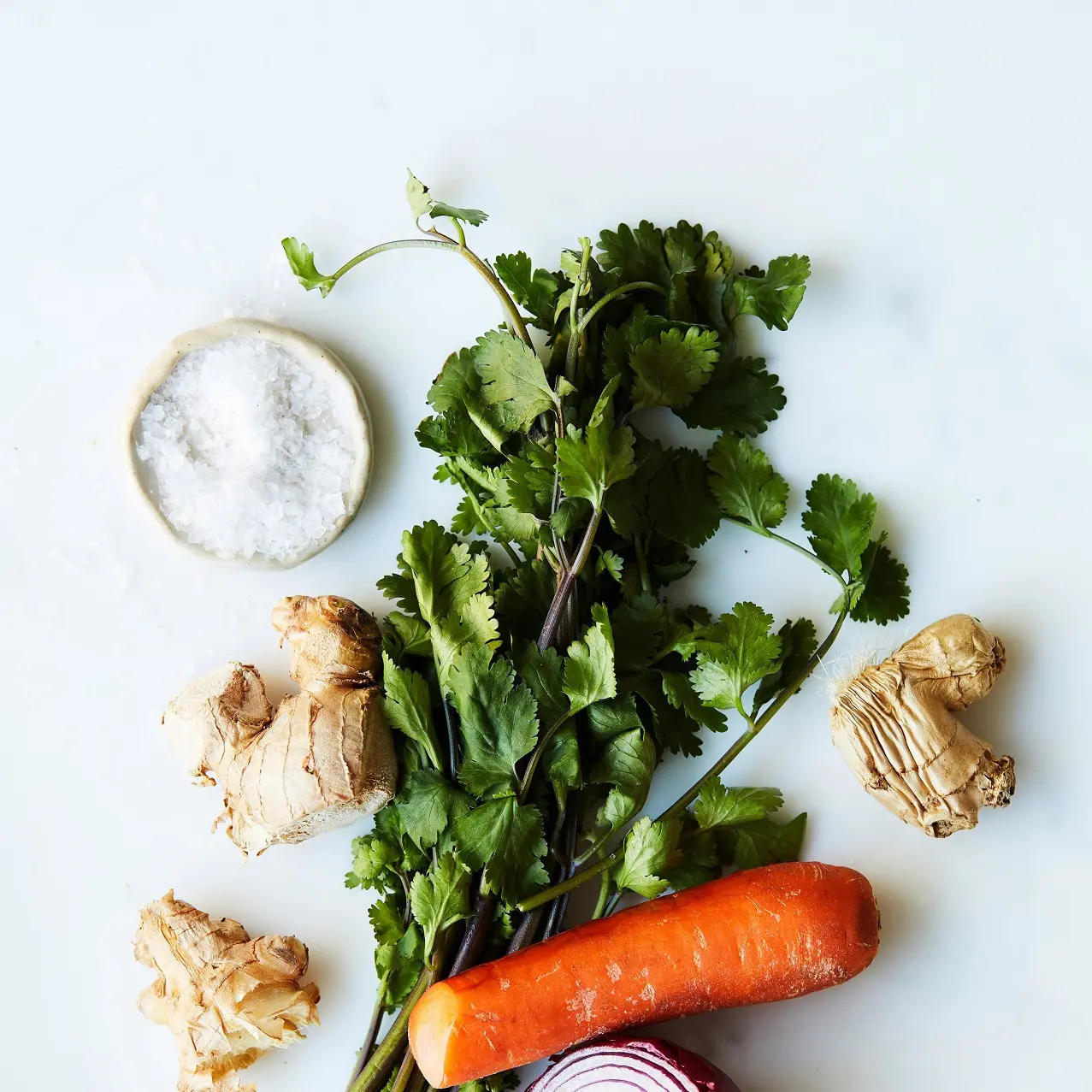
Odd-knobs ginger paste
This little recipe is indispensable for using kitchen scraps. It packs a punch and can be used as the base for a curry or laksa, stirred into yoghurt for a quick marinade, or added to a noodle dish or fried rice.
Makes 1 cup (200g)
Ingredients
Garlic Onion Chilli Carrot Celery Herb stems 2 tsp salt
Optional
Neutral oil
Method
Gather up all those old knobs of ginger, wash them (don’t bother peeling unless they’re really old and gnarly) and throw them in a food processor with the above ingredients. Make up the amount with whatever you have.
Give it a good blitz then add salt and blitz again to make a paste. Transfer to a clean and dry container and keep refrigerated for up to a month.
You could add a layer of neutral oil on the surface to help the ginger paste last longer, about two months in the fridge.
Next time you saute onions, add one or two tablespoons of ginger paste and let your tastebuds sing.
Photo: Getty Images
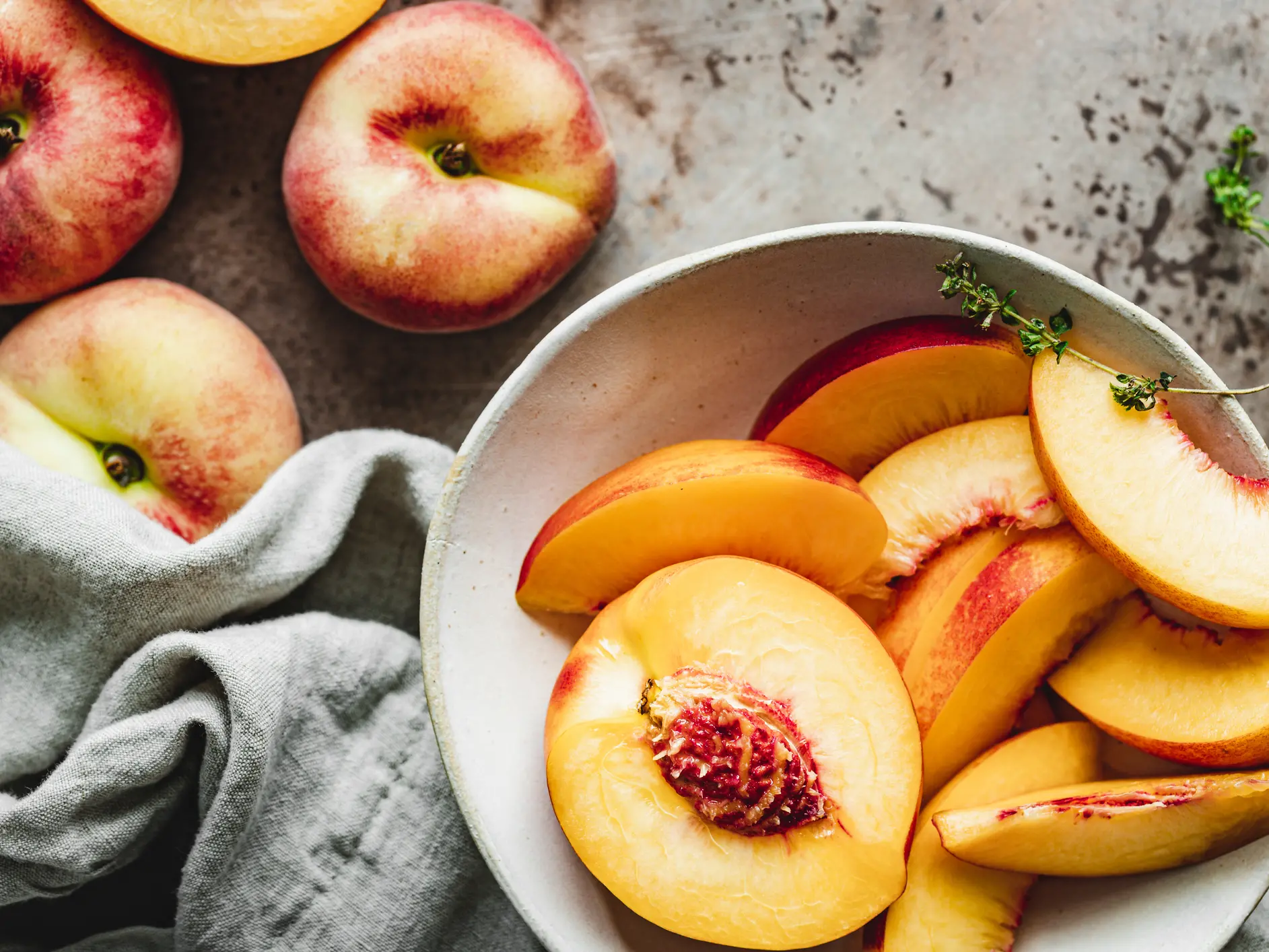
Peaches
When it’s peach (or nectarine) season, do yourself a favour and cook them all the ways. Roast them to go with salads, grilled meats, oozy cheeses and good bread. Poach them, or grill them, and serve with ice cream and toasted coconut. And don’t forget killer pickled peaches for fancy cheese plates, to toss through salads or to serve on burgers.
Goes with They don’t say peaches and cream for nothing ... peaches love dairy products - ice cream, cream, yoghurt, ricotta, mozzarella, Parmesan and blue cheese. Pair peaches with most of the other fruits, too, especially berries,• cherries, oranges and grapes, and with cinnamon, honey and even tomatoes.
Nuts, basil, rosemary, black pepper and chilli will add texture and bite.
Storage
Keep under-ripe peaches on the counter until tender and fragrant. Once ripe, store in the fridge for up to one week. Eat peaches raw when they’re just ripe and cook with them once they’re wrinkled or mushy.
Substitutes
Nectarines, apricots and peaches are like non-identical triplets. Switch them with each other and only their mother would notice. Plums cook in the same way, but have a deeper, spicier flavour.
Some ideas for transforming a peach or two
• Peach for lunch Slice a perfectly ripe peach and pile it on the freshest baguette with blue cheese or ricotta, green leaves and lots of salt and pepper.
• Peach salsa Fiery fruit salsa will add bite to tacos, grilled seafood or chicken.
• Savoury peach salad Cut a ripe peach, an avocado and a cucumber into 3cm dice or similar-sized wedges. Put in a bowl, drizzle with olive oil, salt, pepper and lemon juice and mix gently. Add plenty of torn herb leaves coriander, mint or basil then scatter a seedy salad mix on top.
• Peach chicken Follow an apricot chicken recipe, replacing the apricots with two or three peaches or nectarines, or a mix of all three stone fruits.
Photo: suppliedFruit bowl relish
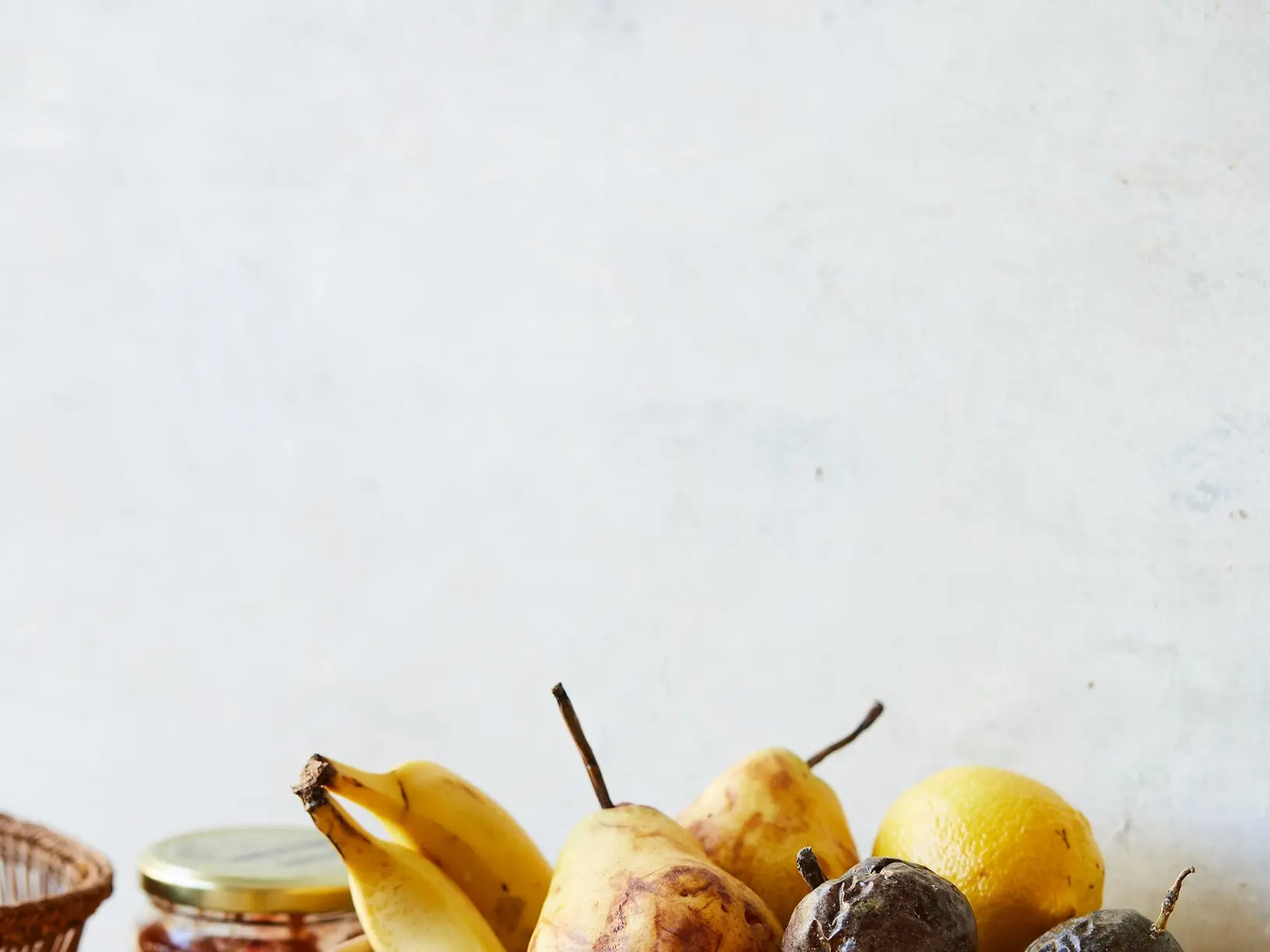
This is for the fruit bowl dregs at the end of the week, or for those peaches you thought you’d turn into a tart and then promptly forgot about. It’s the no-guilt waste hack of your dreams, cleaning out the fruit bowl or the crisper in one hit. Go ahead and use those wrinkly apples, over-ripe pears, the nectarines that have no flavour, or a combination of everything. Think of it as a fruit-salad relish. This is a recipe for a 1kg batch, but feel free to halve or double the quantities depending on whatever fruit, sugar, vinegar and spices you have on hand. Serve at a barbecue, with cured meats, with bread and cheese, on a burger or with fried eggs.
Makes 3-4 300ml jars
Ingredients
¼ cup (60ml) oil of your choice
1 sliced onion
(you can choose your own adventure here, but here are some suggestions to get you started)
3 Tbsp grated fresh ginger
2 tsp mustard seeds
½ tsp ground black pepper
3 sliced garlic cloves
1-2 sliced chillies
2 tsp ground cumin
Pinch of cayenne pepper
1 cinnamon stick
2-3 whole cloves
Zest of 1 lemon or orange
Lots of ground pepper
1kg chopped fruit (no need to peel)
1 cup (250 ml) white vinegar, red wine
Vinegar or apple cider vinegar
1½ tsp salt
½ cup (110g) white (granulated) sugar
Method
Heat oil in a frying pan. Saute onion until soft and translucent. Add your flavours and saute for another 1-2 minutes.
Add fruit (no need to peel), and mix well. Pour in vinegar, salt and white (granulated) sugar. Simmer gently until the relish is glossy and thick. Some fruits have a lower water content, so if the relish is looking dry, but the fruit is still hard, add quarter of a cup (60ml) of water and keep cooking. Taste and adjust the seasoning, adding more spices, seasoning or citrus zest, if needed.
Store in a clean jar or airtight container in the fridge for two or three months. Or spoon into sterilised jars, for 15 minutes and store in the pantry for up to one year.
Photo: Getty Images
Peas
Sometimes the only greens in the house are half a bag of frozen peas, or two half-opened bags of peas that have frozen into a solid block. Never fear, you can still get greens on the table.
Peas are little legends, grassy but sweet. Even the frozen ones are flavoursome, because they are snap-frozen at the time of harvesting. Add a handful of peas to the mac ’n cheese and you’ve basically made a salad.
If you’re lucky enough to grow peas, or to buy lovely podded peas in spring, make the most of their freshness. Don’t overcook them or add them to a pie, just blanch them lightly in boiling salted water or good-quality stock, and add a little butter to the bowl.
Remember to seal frozen peas properly so you don’t end up with a freezer full of loose peas - it’s very annoying. Fresh peas should go straight from the plant to the cooking pot because they deteriorate rapidly. If you buy them from the market, plan to use them that day or the next.
Substitutes
All the other gentle spring greens could replace peas: broad beans, asparagus, snow peas (mange tout) or chopped green beans.
Some ideas for too many peas
• Turn into a curried pea and potato filling for pasties or samosas. Spice it with curry powder and add a hit of fresh chilli or chilli flakes.
• Blanch one cup of shelled fresh (155g) or frozen (140g) peas then add to the green potato salad.
• A simple pea curry served with rice and an Indian-style pickle makes a very cheap and very satisfying dinner.
• You can pickle peas ... but not the frozen ones. If you’re an enthusiastic gardener, make a jar of pickled peas with garlic, peppercorns and herbs of your choice.
• Pea and mint fritters Make a simple and nutritious meal packed with greens and herbs. Serve as is, with eggs, or on a crusty bread roll with mayonnaise and chilli jam.
• Pea ful medames Jaimee makes the most amazing broad bean ful medames. Alex loves it, but as she’s too lazy to pod all those broad beans she does a cheat’s version using only frozen peas. Choose your own adventure based on your personality.
Photo: suppliedSpring greens medley
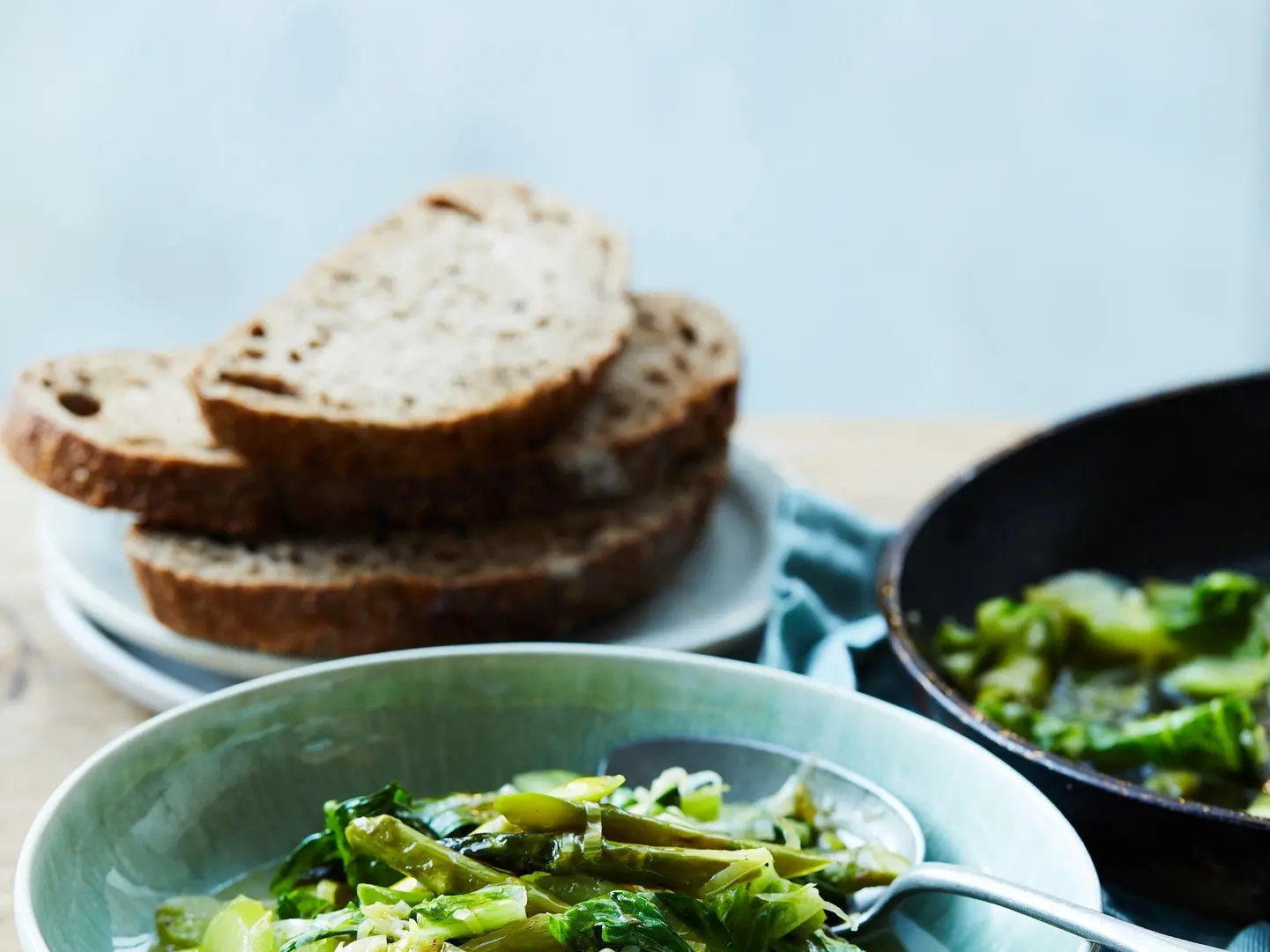
This is a clean-out-the-fridge recipe to use during spring, when all the greens you bought have a short lifespan, but you went out for dinner two nights in a row. Use all those greens here - peas, snow peas (mange tout), lettuce, asparagus, silverbeet (Swiss chard), baby spinach, watercress, broccoli florets, chopped green beans. It’s light, clean and a perfect springtime meal. Serve as a side with a baked fish, a roast chicken, a frittata or fritters.
Serves 4
Ingredients
500g of any spring greens (so get out the scales and empty out the crisper)
¼ cup (60ml) extra virgin olive oil
½ brown onion, diced
½ leek, sliced, or 2-3 sliced spring onions
3 sliced garlic cloves
½ cup (125ml) water, stock or white wine
To serve
Goat’s cheese or Parmesan
Method
Thinly slice lettuce, spinach or silverbeet and cut asparagus into bite-sized pieces.
Heat extra virgin olive oil in a frying pan over low heat, then saute onion, leek or spring onions for 2-3 minutes, then add garlic. Add the greens, a generous pinch of salt and water, stock or white wine. Simmer gently, covered, for 5-15minutes, until everything is cooked. Taste and adjust the seasoning with salt and a good grind of black pepper. Transfer to a serving plate, drizzle with a little more oil and top with any chopped herbs that need using.
You could also crumble some goat’s cheese and/or shave some Parmesan on top.