Dahlia renaissance helping grow funds for charities

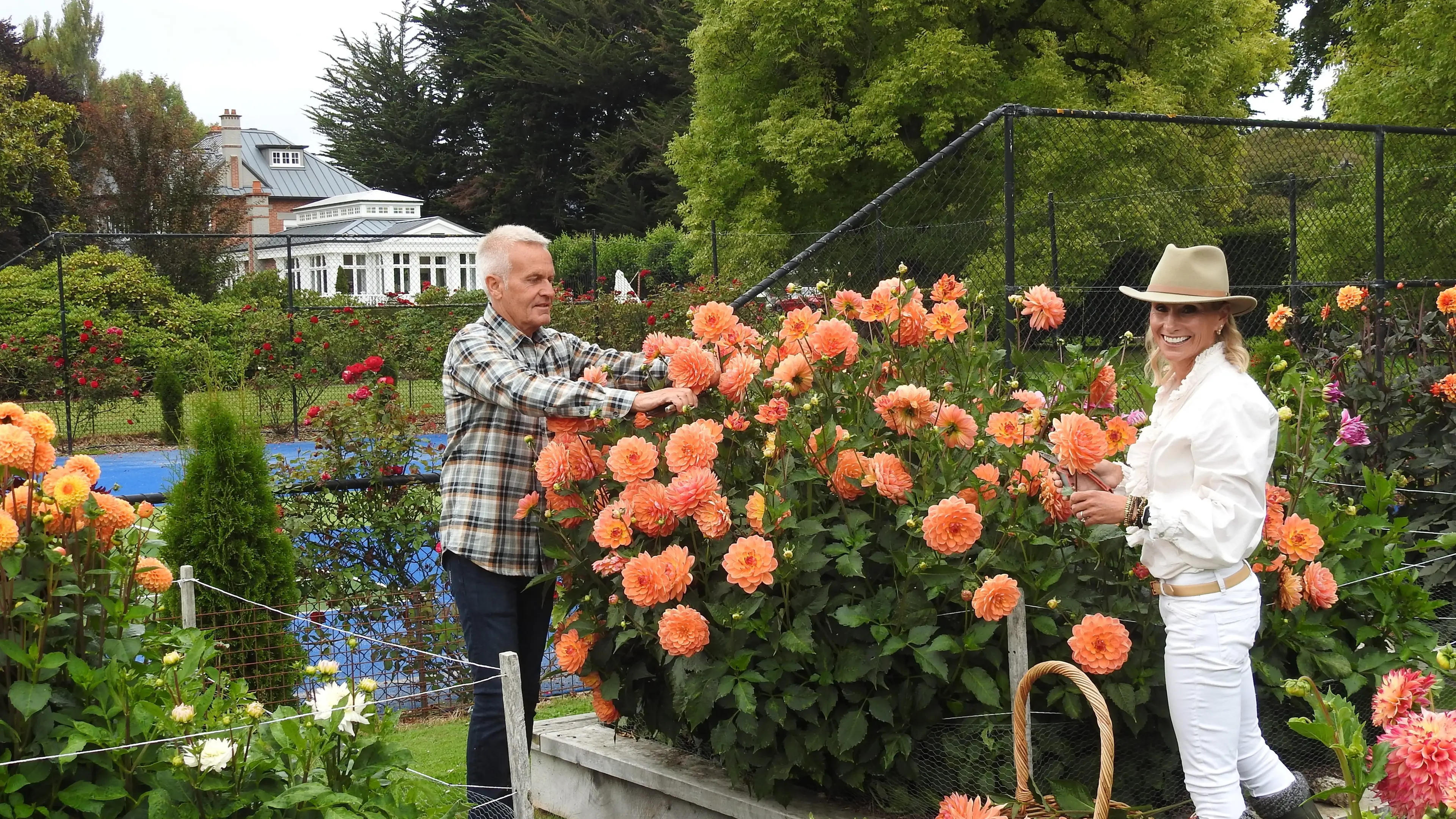
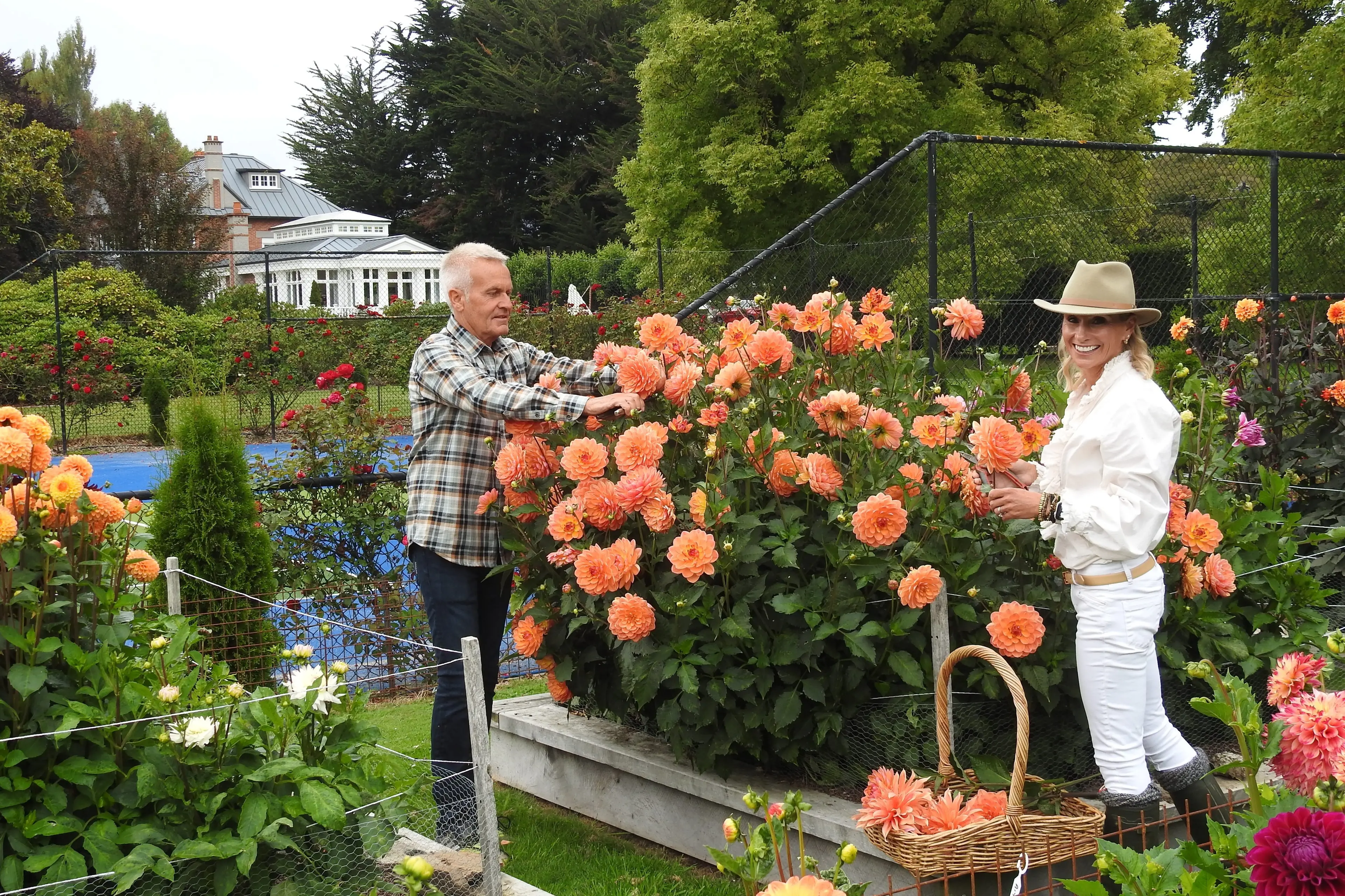
Andrew Simms and Claire Wilton pick dinnerplate dahlia ‘‘Hamari Gold’’.  PHOTOS: LOUISE FRAMPTON
Andrew Simms and Claire Wilton pick dinnerplate dahlia ‘‘Hamari Gold’’. PHOTOS: LOUISE FRAMPTON
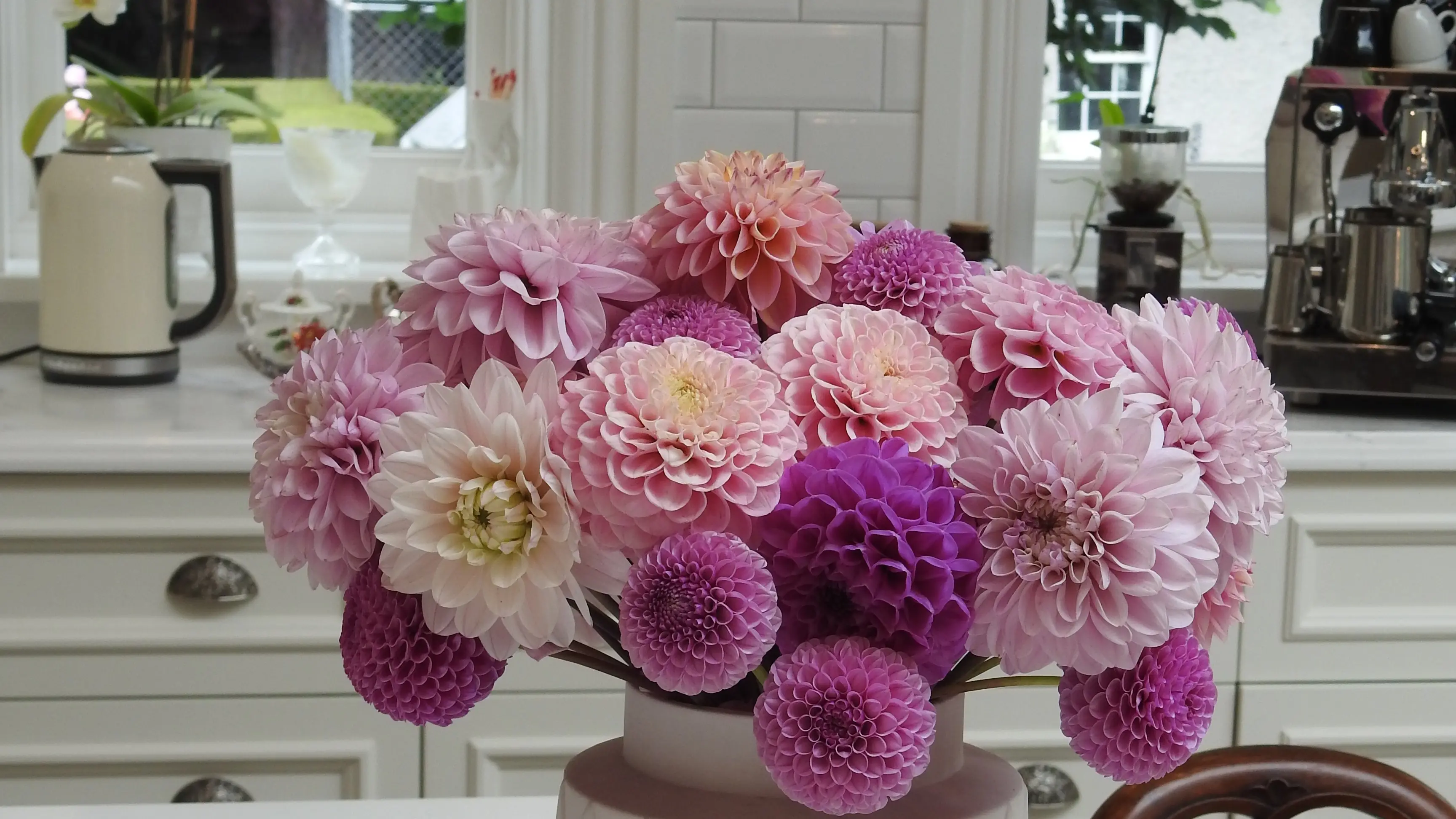
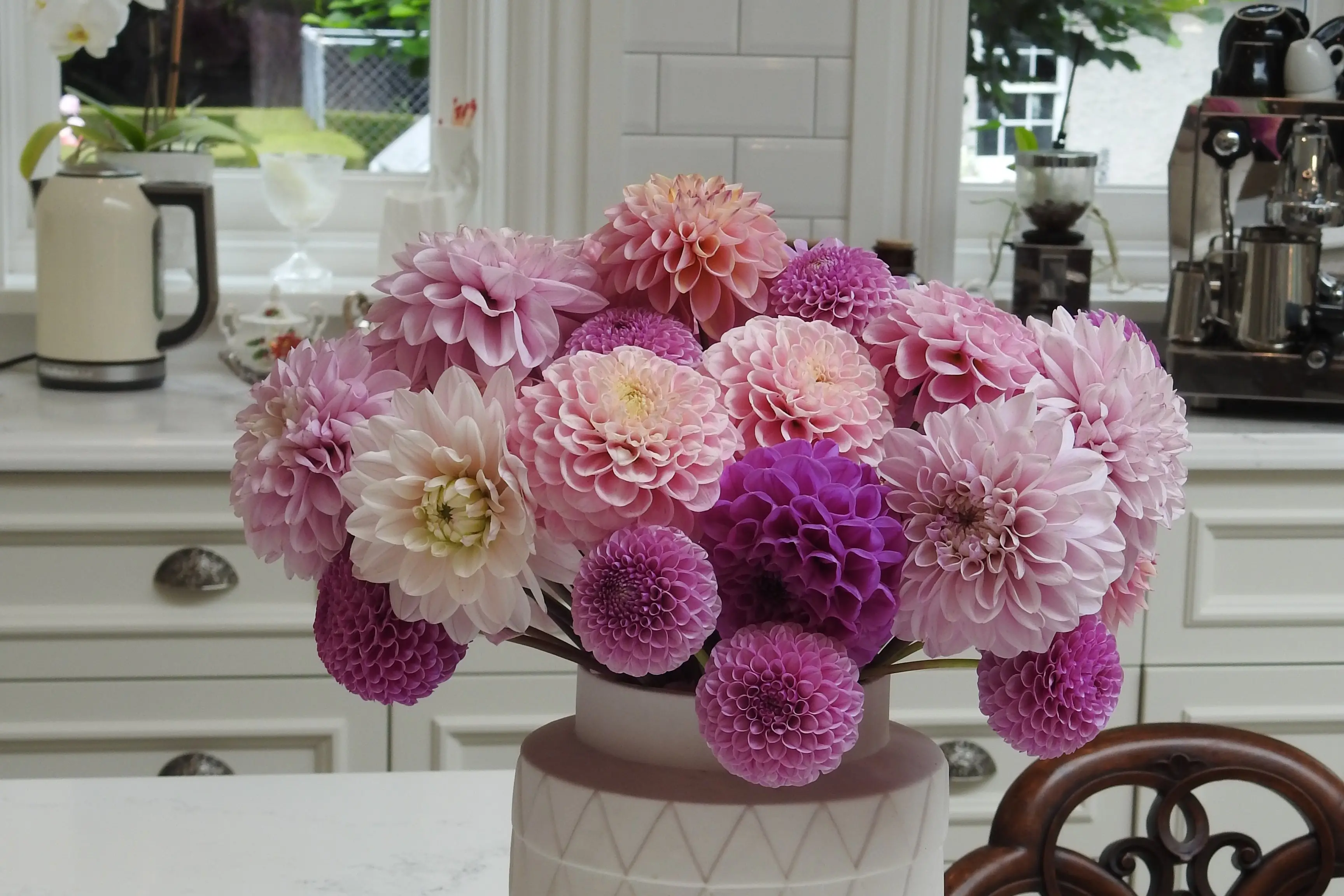
Dahlias make wonderful cut flowers.
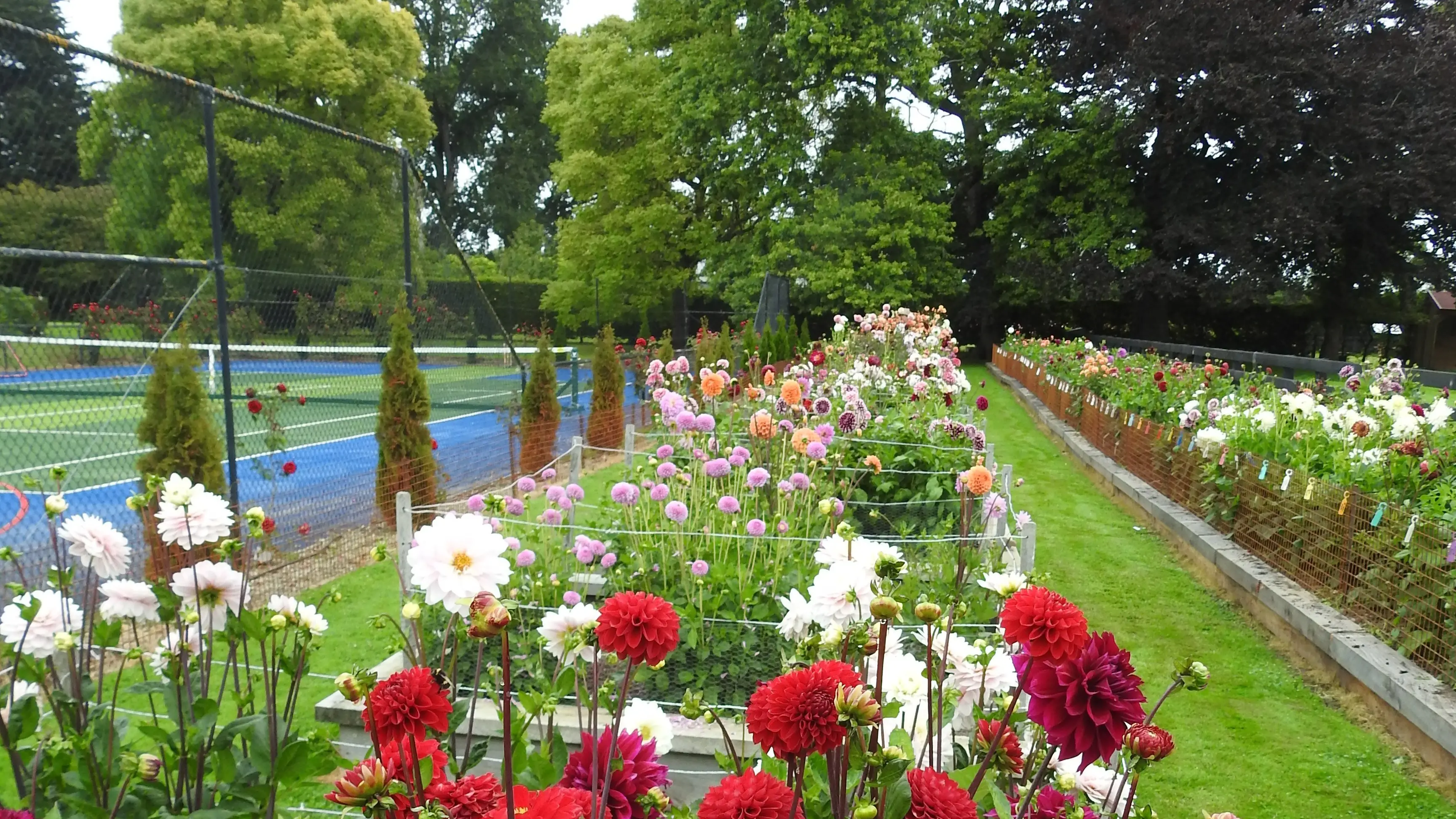
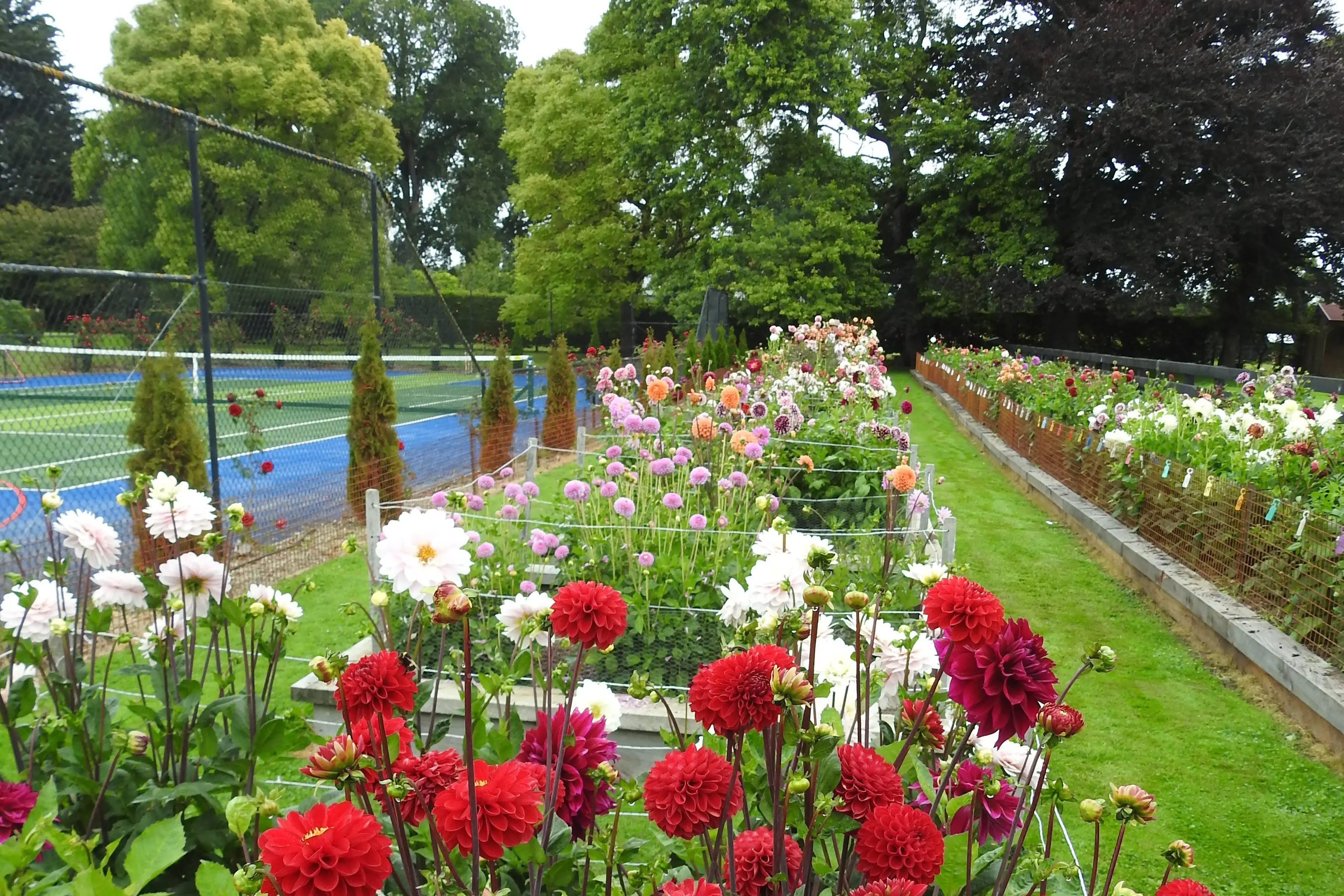
Raised beds help the soil to drain, reducing rot in the tubers.

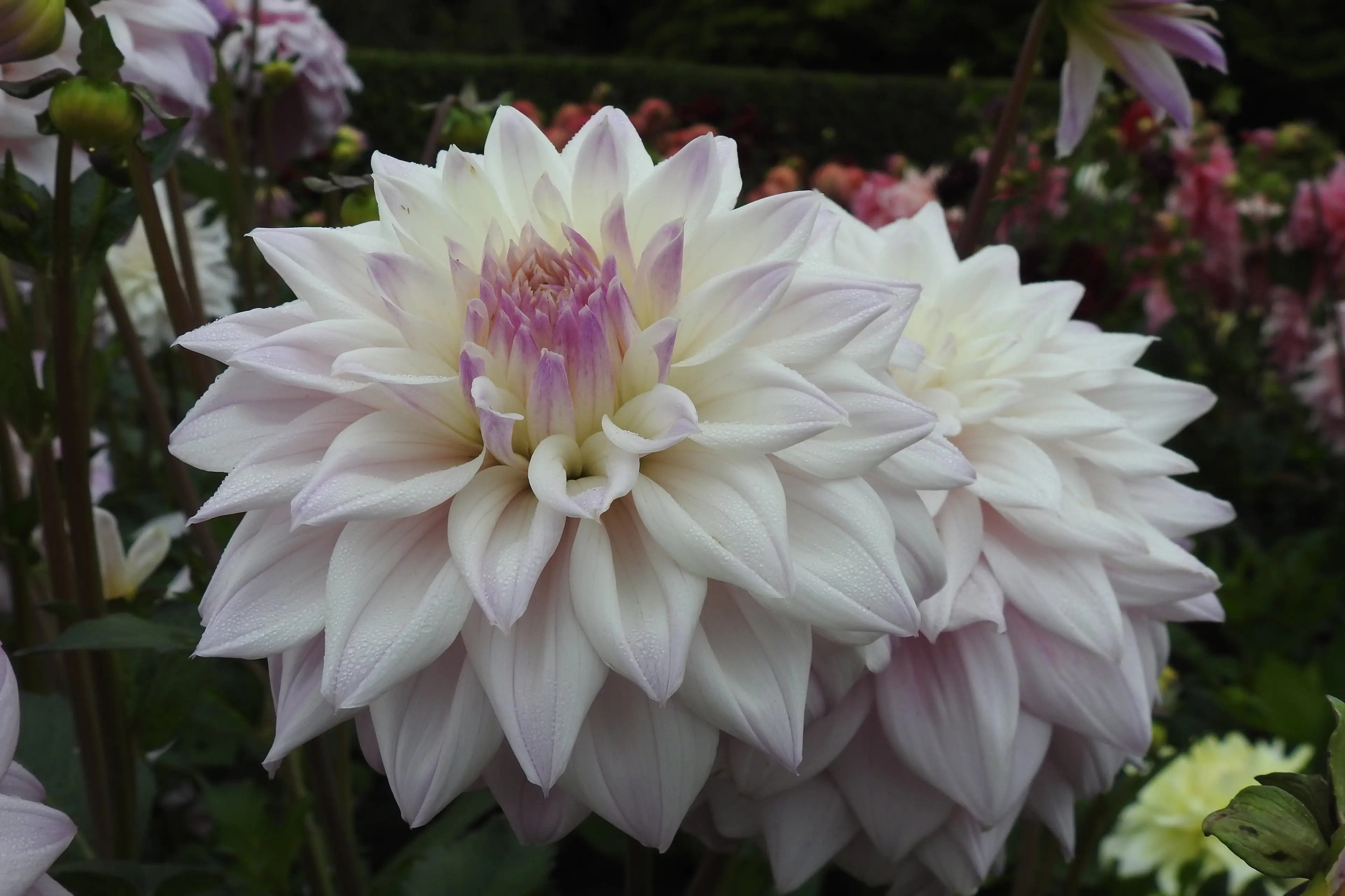
‘‘Who Me?’’
‘‘Who Me?’’
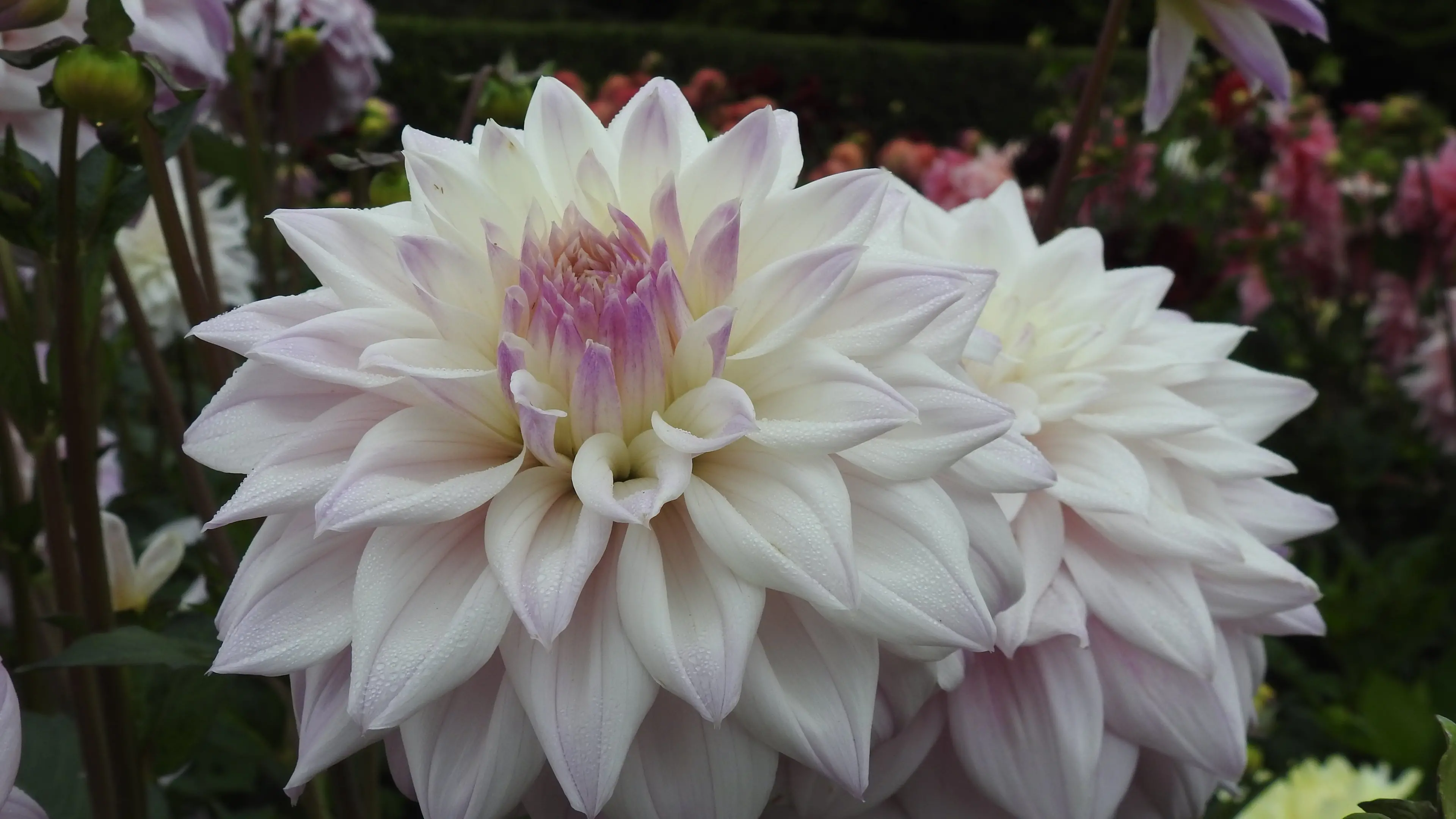
‘‘Caitlin’s Joy’’
‘‘Caitlin’s Joy’’

Louise Frampton finds a flower variety that was once deemed old-fashioned is now a fundraising success.

Dahlias, once only found at the back of your grandmother’s garden, are now highly sought after.

New varieties and an increased presence on social media have turned this once easily dismissed flower into a plant which can sell for $25 a tuber.

Classified into groups such as cactus, decorative, pompom, ball, waterlily and anemone, there’s now plenty of choice for gardeners to choose from.

Someone who knows this more than others comes from an unexpected corner — prominent car dealer and Dunedin City councillor Andrew Simms.

Mr Simms says there are new varieties coming on all the time, which really spark people’s interest.

‘‘I remember when my dad was growing them 15 years ago, they were the traditional English type dahlias.’’

Dahlias border the alpaca paddock at Islington.
Now, Mr Simms and partner Claire Wilton have more than 42 varieties of dahlias on their 3.2ha property, Islington, in Bush Rd, Mosgiel.

Many are nurtured in raised beds running the length of the bright-blue and green tennis court, others have taken over the former vege garden, growing magnificently tall around a child’s play hut, while at the back of the property, unlabelled varieties wave in the wind bordering the alpaca paddock.

It is an addiction that just keeps growing.

Ms Wilton remembers seeing a truck turning up with another load of macrocarpa sleepers on it.

‘‘I would just shake my head ... then all of a sudden there was a new [dahlia] garden,’’ she laughs.

There are rows of favourites such as Cafe au Lait, Caitlin’s Joy, Petra’s Wedding, Hamari Gold and Wizard of Oz. All carefully labelled.

It’s a hobby that obviously keeps them well grounded in their busy lives.

In 2024, they decided to pot up about 700 tubers and sell the plants to raise money for native tree planting at Bull Creek, the Mosgiel Boys Brigade and Mosgiel Scouts.

The couple say you have to be careful to get a dahlia tuber that has ‘‘a body with a neck and an eye’’.

Often a dahlia tuber is not viable, that’s why they decided to grow them in pots first to make sure there would be no failures. This proved a winning formula — 35 minutes after the gates opened, the 700 dahlia plants had sold out.

Hoping to get at least 30 people turning up, the couple were amazed at the queues of cars along the road.

‘‘It was like a queue for Kmart opening,’’ Mr Simms says.

They had an aim of raising a couple of thousand dollars, but they ended up quite embarrassed by the turnout.

‘‘That allowed us to make donations to junior tennis as well.

‘‘You get a tremendous reward from dahlias, for a bit of effort and not a lot of money.’’

So how do they manage to keep a 3.2ha property tidy and have busy day jobs and look after two children?

In recent years, they have made the garden smaller by returning some of the lawn back into paddocks for the alpacas, chickens and pigs, creating a more manageable area.

They also have about 10 hours a week help in the garden from retired farmer Graeme Crutchley, who helps keeps the hedges in shape and does a lot of the pruning.

‘‘And Claire and I probably put in 20 to 30 hours a week.’’

The couple find raised beds perfect for dahlias, as it helps with drainage, ultimately reducing rot in the tuber.

The advantage of many established trees on their property, including 13 protected trees which are 150 years old, is there is plenty of leaf fall which they leave in piles for up to three years to break down and then apply as a compost to the dahlias.

They also use oat husks which help keep the weeds down and act as a mulch.

Some varieties withstand winter better than others and are left in the ground for up to three years, where others have to be lifted every year.

When lifted at the beginning of winter, the tubers are separated and put in carefully labelled containers of sawdust to keep them from drying out.

‘‘If you can spot the eye early on, then the clumps are broken up before storage,’’ Mr Simms says.

‘‘But if the eye can’t be seen, then the tubers are left as a clump until the end of spring when the eyes begin to swell up again [and can then be divided].

‘‘I quite like lifting them and dividing them. I think it appeals to that sense of actually getting a lot more back than what you started with,’’ Mr Simms says.

Their semi-formal garden also has about 100 peonies and 500 roses. In 2024, Mr Simms won the novice exhibitor category at the Otago Rose Society with ‘‘Hamilton Gardens’’. It went on to win the champion of champion award — which he again won in 2025, also with ‘‘Hamilton Gardens’’.

‘‘We were encouraged to enter our roses by the lovely people at the Otago Rose Society and relied heavily on their help and advice ... but I don’t really have time for another obsession,’’ Mr Simms says.

At the end of last year, Ms Wilton set up the Islington Flower Farm and sold peony flowers to raise money to buy Christmas presents for Foster Hope families.

She says she is looking forward to sharing the joy they get from their flowers with the community and ‘‘pay it forward to spread love and kindness to special charities along the way’’.

The Islington Flower Farm is likely to hold another dahlia sale for charity in spring this year, once ‘‘traffic management’’ issues have been sorted, Ms Wilton says.