
PHOTO
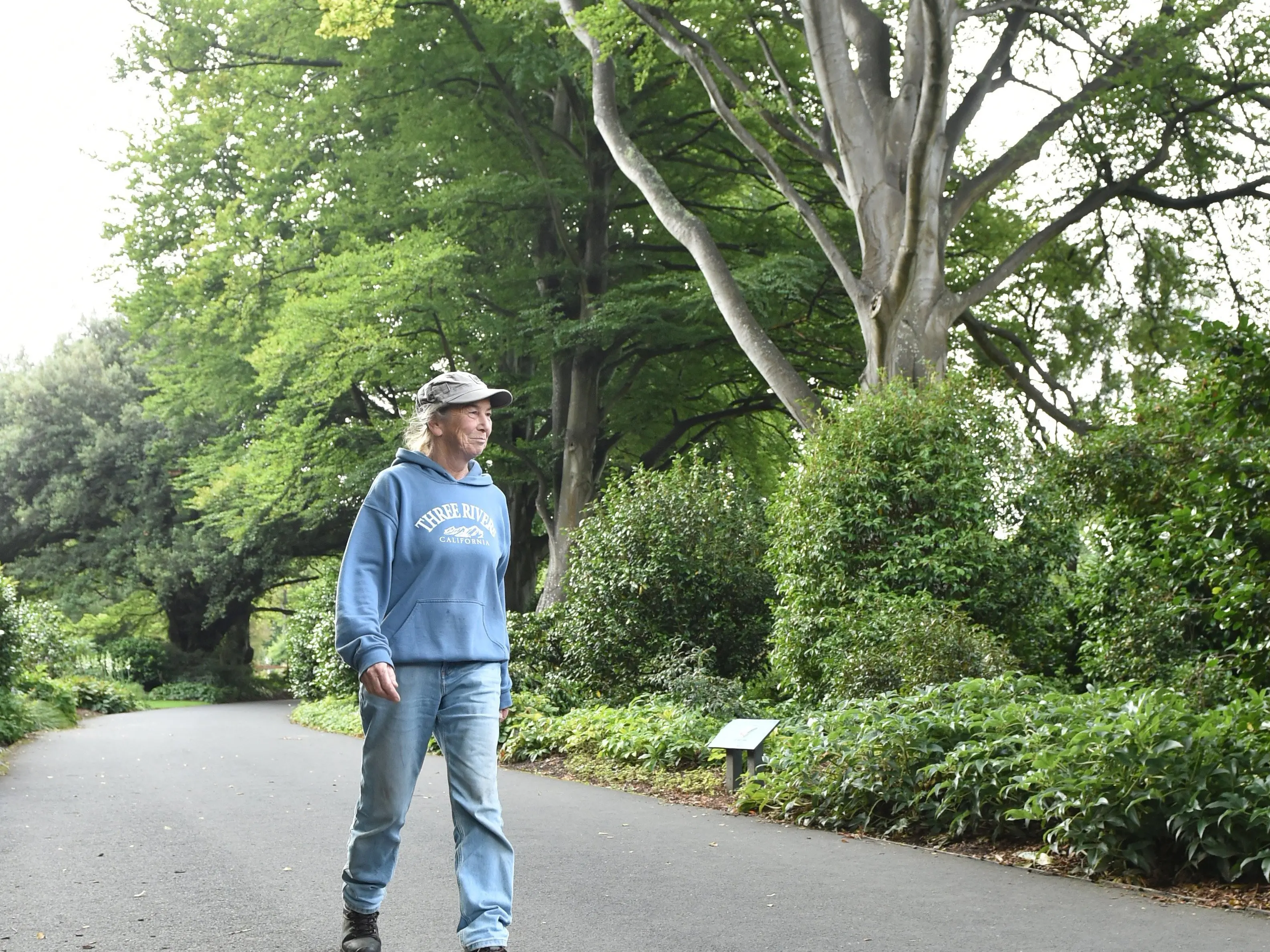
I have had a lifelong career working at a job I love in the Dunedin Botanic Garden. It has been constantly inspiring, demanding and rewarding. It is a genuine botanic garden. It is not just a park, but a well-landscaped collection of remarkable plants collated into genus, geographical and landscape collections, with a botanist and qualified staff. We manage plant conservation, research, data, mapping, landscaping, and education - and, of course, plant maintenance to the highest standard.
Early life in the botanic garden
After a stint at the Queenstown Garden in 1986, I knew what I wanted to do for the rest of my life. I moved to Dunedin to pursue the love of a man and get work at the botanic garden.
In February 1988, after hounding management for several weeks and working for free weeding in the rhododendron dell, I secured a position as labourer. I was in!
In the late 1980s, the geographic collection and arboretum as well as lawns, pathways and rubbish collection were maintained by the labouring gang. The aviary was moved from the lower garden to the warmer north-facing slope of the upper garden. Our ‘gang’ planted the Australian plants around the Australian bird collection.
I loved the wildest areas. Building the track through fern gully, originally named ‘‘Snake’s gully’’ was a blast. I kept fit by handling the manually geared ‘‘Gravely’’ mower. This large, unwieldy machine was a monster and needed careful controlling. I got taught by an old-timer how to drag it from first gear into reverse to avoid the drop into the Leith stream. Our main vehicle was the trusty Kubota tractor which never broke down. She was used for absolutely everything. Health and safety was certainly less strict in those days. So, staff enjoyed getting rides around the garden on top of the loads.
I studied (in my spare time) with the Royal NZ Institute of Horticulture for a degree in horticulture through Correspondence School. Through snail mail correspondence via Massey University, I studied the teaching assignments. I completed the first 10 units in three years and was delighted to receive the Peter J. Skellerup Award for achieving the highest exam marks in New Zealand. I was a very happy horticultural geek.
Camellia and themes collection curator
By 1993, I was fully qualified and applied for and received a plant curator position, managing the camellia collection and the entire west side of the lower garden from the Castle St entrance to the gardens corner. This included a wide variety of landscapes and opportunities.
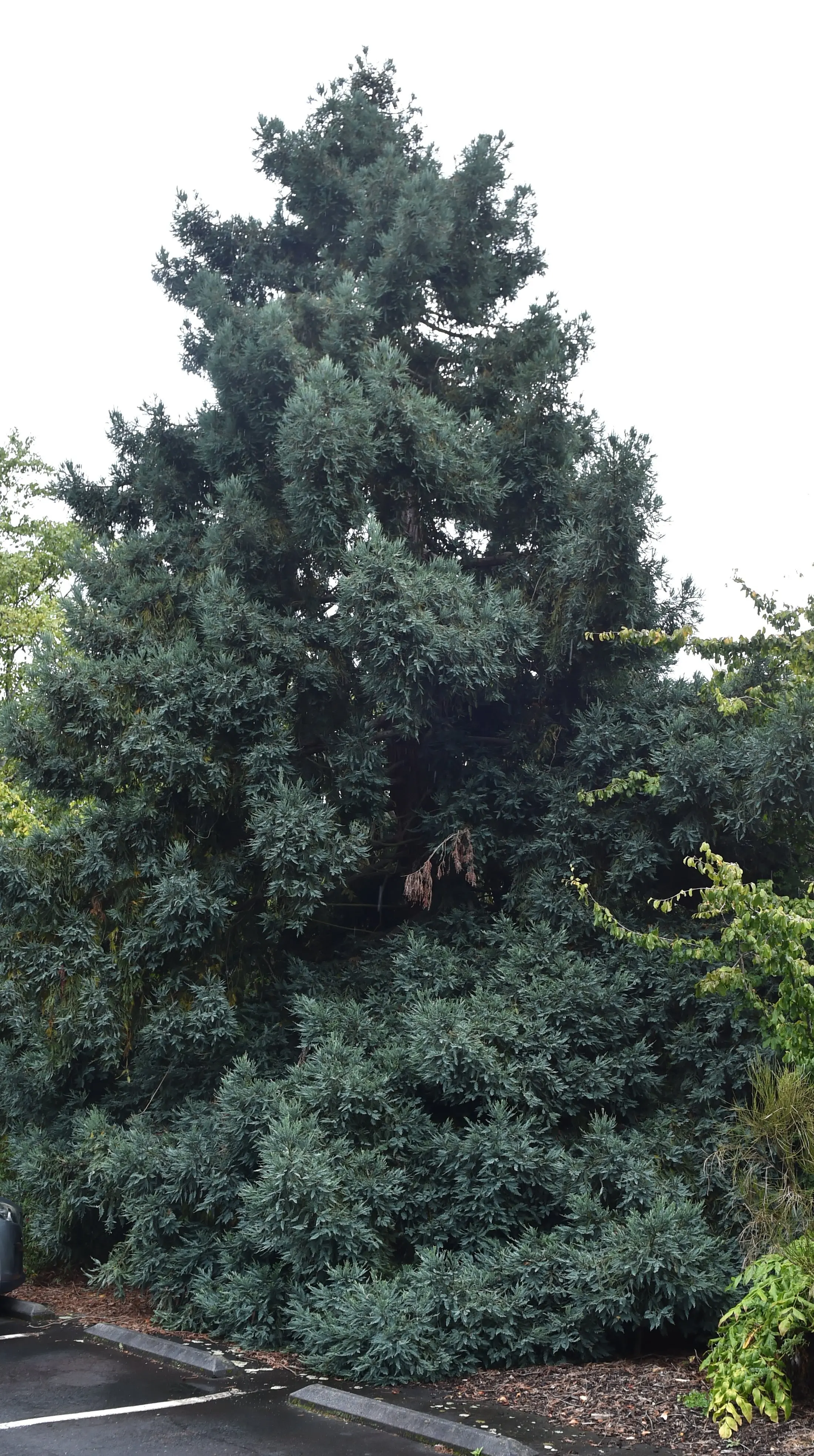
My first task was planting the lower garden car park. It is beautifully landscaped, with unique tree specimens interspersed with different textured and coloured and flowering shrubs to enclose and screen off some not-so nice views. My favourite tree is the Sequoia sempervirens ‘Filoli’, a glaucous (blue-green) redwood cultivar which now dominates the south side.
Next focus was the camellia collection, which was mapped, researched, and checked for incorrectly named plants. The next four dormant periods were spent transplanting roughly 200 camellias into botanical groups and into sunny or shady conditions for their health. Luckily, camellias transplant very well and the whole operation was a huge success. The result quadrupled the size of the collection and developed the shady areas available on the main drive.
Computers
We got our first computers around 1993. Gone were the days of relying on books, our knowledge, and wits. In 1994, we installed our BG database. The collection plants in the garden all have an individual accession number which is recorded, tracked, mapped, and stores the plant’s entire history.
A young shelterbelt had begun to establish well along State Highway 1, but along Great King St the garden was wide open. From 1993 onwards, the themes were planted, showcasing ideas which were popular for home gardens. First established was the ‘‘Winter and Spring Flowering Plants’’. In quick succession this was followed by ‘‘Coloured and Variegated Foliage’’, ‘‘Deciduous Plants for Autumn Display’’, ‘‘Fragrant Plants’’ and ‘‘Hedges’’. This enclosed the last part of the lower garden from busy traffic areas creating a true oasis in our city.
The collection also cares for the mature and juvenile lawn specimen trees and a bulb lawn which was added to annually. I love the personality of the spreading horse chestnut, Aesculus hippocastanum, in the bulb lawn. It’s huge, classy, and gorgeous all year round.
International award
In 2011, the International Camellia Society became aware of our camellia collection. We were approached and sponsored for an international award. I had the honour of attending the 2012 Camellia Conference in China to accept the International Camellia Garden of Excellence Award for Dunedin Botanic Garden.
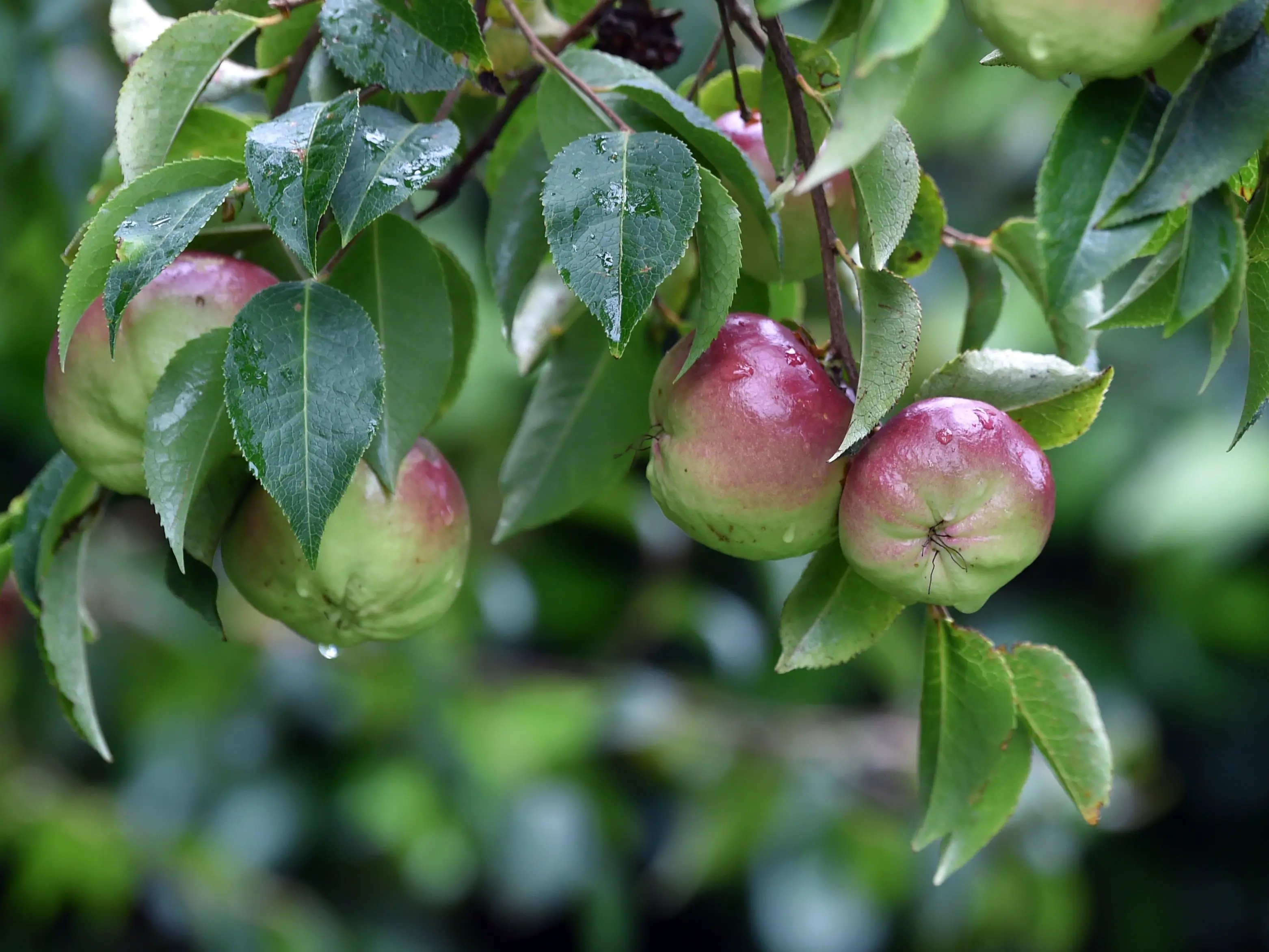
Today the collection numbers about 700 camellias with many of the true species from Asia, including the tea species. My favourite camellia is Camellia yunnanensis from China with its simple white flower and boss of yellow stamens. The birds love the nectar, and in late summer, the apple-like fruits hang in profusion.

Favourite place
One of my most loved spaces in the collection is the avenue of European beech trees on the main walk. It has atmosphere abounding with the spreading tree canopies and dominant chunky silver-grey trunks of the beech growing over the dark glossy foliage of the camellias.
As well as the plants, there are the people. The staff are like my second family, and I adore and respect their huge dedication and love for their work. We have grown up together, had children and supported each other through sickness and health. Many of the staff have been in the garden for several decades.
Certainly, the botanic garden is privileged with the people who, over 160 years, have used their knowledge and care to maintain and continually expand the plant collections and quality of our garden. I am humbled to have participated in a small way towards this wonderful space.