
PHOTO
What to do in your garden this week.
Vegetables
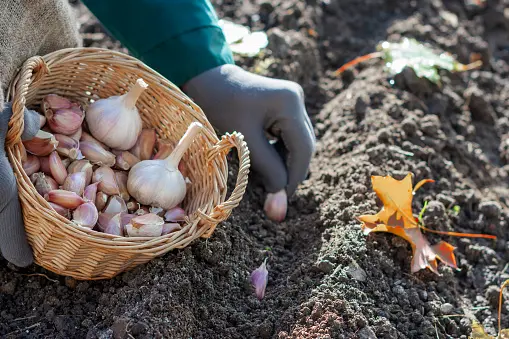
As winter comes closer, the opportunities for growing vegetables are reduced but garlic and shallots should go in from now until early spring.
Plant small sections of bulbs, pushing them down to half their depth in rich, well-cultivated soil.
Keep an eye on them as growth starts, checking bulbs to make sure they have not been pushed out by developing roots. If they have, push them back in.
Winter is also the time for planting rhubarb and asparagus crowns, so prepare the ground now.
Rhubarb needs very rich soil with lots of compost and animal manure, while asparagus being of seaside origin does well if a layer of seaweed is put under fertilised soil.
Compost bins and heaps need protection from winter rains, as cold heaps stop decomposing.
Cover heaps with plastic stretched tightly over a frame or corrugated iron.
This is a good time to start a herb patch or rejuvenate an existing one.
Thyme is easily propagated from seed or by dividing mature plants. Plants are best broken up and replanted every two to three years.
Mint, which grows well in sun or shade, should be planted in a sunken tin or bucket to prevent it spreading.
Sage can be increased from seed, propagated from cuttings of young growth in December or by dividing the roots in early autumn.
Parsley is easily grown from seed sown in spring or in February.
Encourage plants with a sprinkling of blood and bone if growth is slow.
Plant cabbage and cauliflower now for early summer harvest.
Choose a warm, sheltered place and plant on raised ridges if drainage is poor.
Celery plants will have nearly finished growing, but leeks will continue until the first hard frost.
Both plants will make further growth in spring before going to seed.
If celery shows signs of forming seed heads, dig up the plants, wash and dry stems, cut into 2cm pieces and freeze.
Carrots, parsnips, beetroot and turnips can be lifted now and the ground dug over to gain the benefits of weathering.
Store the veges in a heap in a well-drained part of the garden under loose soil, or in damp sand in a cellar or shed.
Parsnips freeze very well - peel and cut into chunks before freezing on a tray.
In districts where severe frosts are uncommon, root vegetables may be left in the soil until early spring, when signs of regrowth will signal the time to lift and use the tail end of the crop.
Flowers
Rose bushes, if they are showing signs of old age, should be dug up and their roots trimmed before replanting in fresh soil on a new site or in the same position with plenty of compost, garden lime and bone dust added.
Protect the small fibrous, feeding roots while out of the ground by sitting the bush in water and do not waste time getting the rose back into the ground.
The shift is best made when the soil is fairly dry, to prevent muddy soil caking to the roots when replanting.
Some top growth on rose bushes can be removed now but wait until August before severe pruning — rambling roses can be pruned now.
Remove all old, flowering wood and tie back long, new growth (canes) made last summer.
Shortening them can be useful, as wood at the ends which fails to ripen will not produce flowers.
Flower beds and borders should be cleared of dead leaves and foliage, while changes to perennial beds may still be made, as long as the soil is not too wet.
Crocuses, snowdrops, tulips, hyacinths and almost all other spring-flowering bulbs should all be in by now but a last-ditch effort can be made with anemones and ranunculus, unless the soil is heavy and sunshine limited.
Any bulbs left in the ground from last season will be actively growing and soon showing through the soil.
Place no fresh manure near the roots of any bulbs, and be sparing with lime.
Fruit
Strawberries are available in garden centres now and should be planted before the soil becomes too wet.
Fresh soil and fresh plantings are advisable every two or three years. Pajaro and the old favourite Red Gauntlet are reliable choices.