
PHOTO
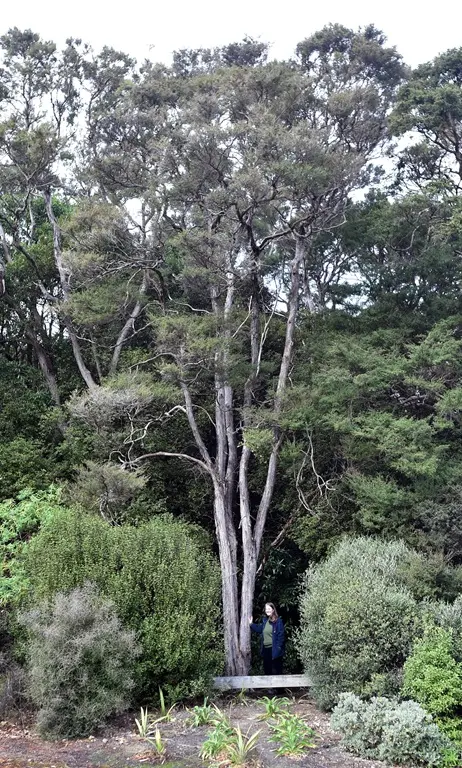
One of my favourite trees is the quiet achiever, kānuka.
Kānuka is less famous than its shorter, pricklier cousin, mānuka, though the two are closely related.
Both share remarkable healing properties long recognised by tūpuna Māori (ancestors).

They were highly valued and used in many forms to treat skin, respiratory, digestive and other ailments, while their hard, strong wood was made into agricultural implements and weapons.
Modern research shows that both mānuka (Leptospermum scoparium) and kānuka (Kunzea ericoides) contain compounds with antibacterial, antifungal and anti-inflammatory activity.
Science is catching up with the old knowledge and thankfully these special trees are no longer widely seen as weeds or resources to be exploited indiscriminately.
Around Ōtepoti, kānuka is a core feature of regenerating forest.
Much of the city’s Town Belt, such as the bush around Ross Creek Reservoir and Lovelock Bush in the Dunedin Botanic Garden, is second-generation forest regrown over the past 120-150 years.
It’s hard to fathom how quickly the settlers reshaped Dunedin’s landscape in their first decades, felling dense podocarp-broadleaf forest for farms, industry and housing.
Some areas were left to regenerate and in came the wind-blown seeds of kānuka. Not just a healer for people, but a rongoā (healing system) for the land.
Light-loving and tolerant of wind and drought, kānuka grows quickly, forming scrub that provides shelter, shade and stability.
Over time it creates the conditions for a more complex forest.
Many of our local canopy kānuka, having quietly fulfilled their role as nurse and protector, are now reaching old age.
With each storm, branches split and fall, slowly returning to the forest floor and making way for later-succession species to take their place.
- Kate Caldwell