
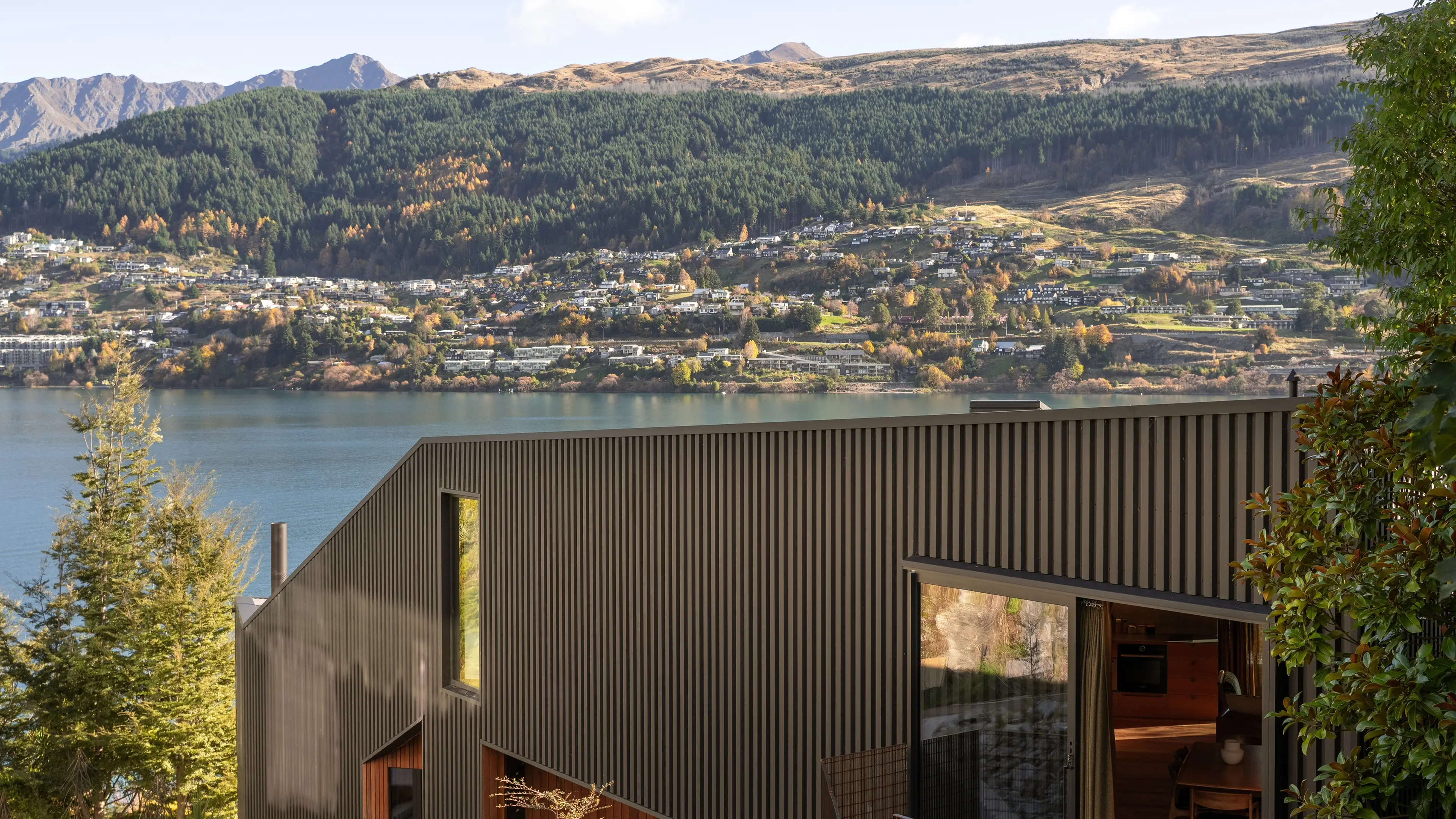
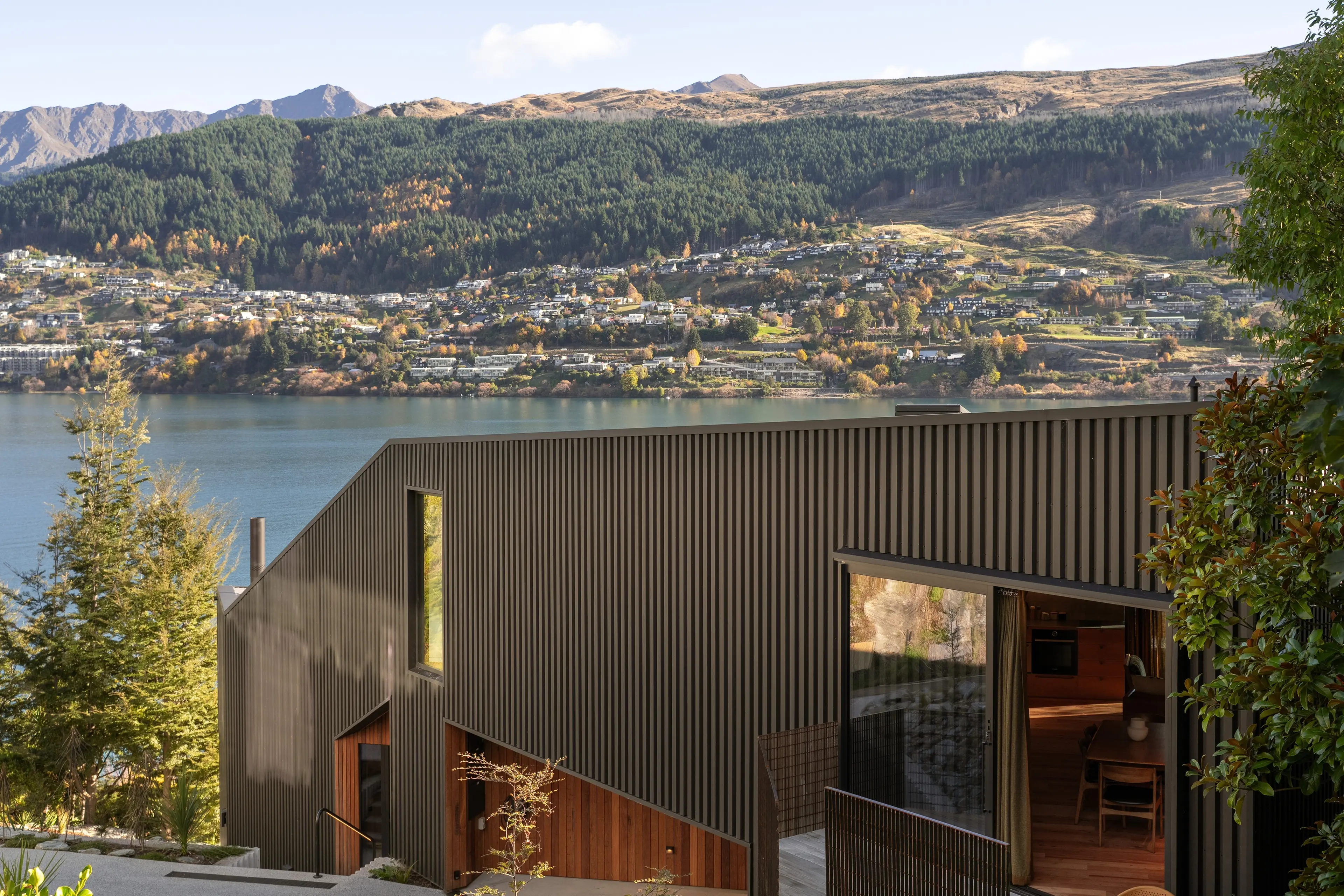
Built on a challenging site, this Queenstown house features reversed metal roofing - more commonly seen on industrial buildings - as an exterior cladding. PHOTOS: ISAAC NORTON AND IMAGEWORKS : Inside the Queenstown property rated one of NZ’s best homes
Built on a challenging site, this Queenstown house features reversed metal roofing - more commonly seen on industrial buildings - as an exterior cladding. PHOTOS: ISAAC NORTON AND IMAGEWORKS : Inside the Queenstown property rated one of NZ’s best homes
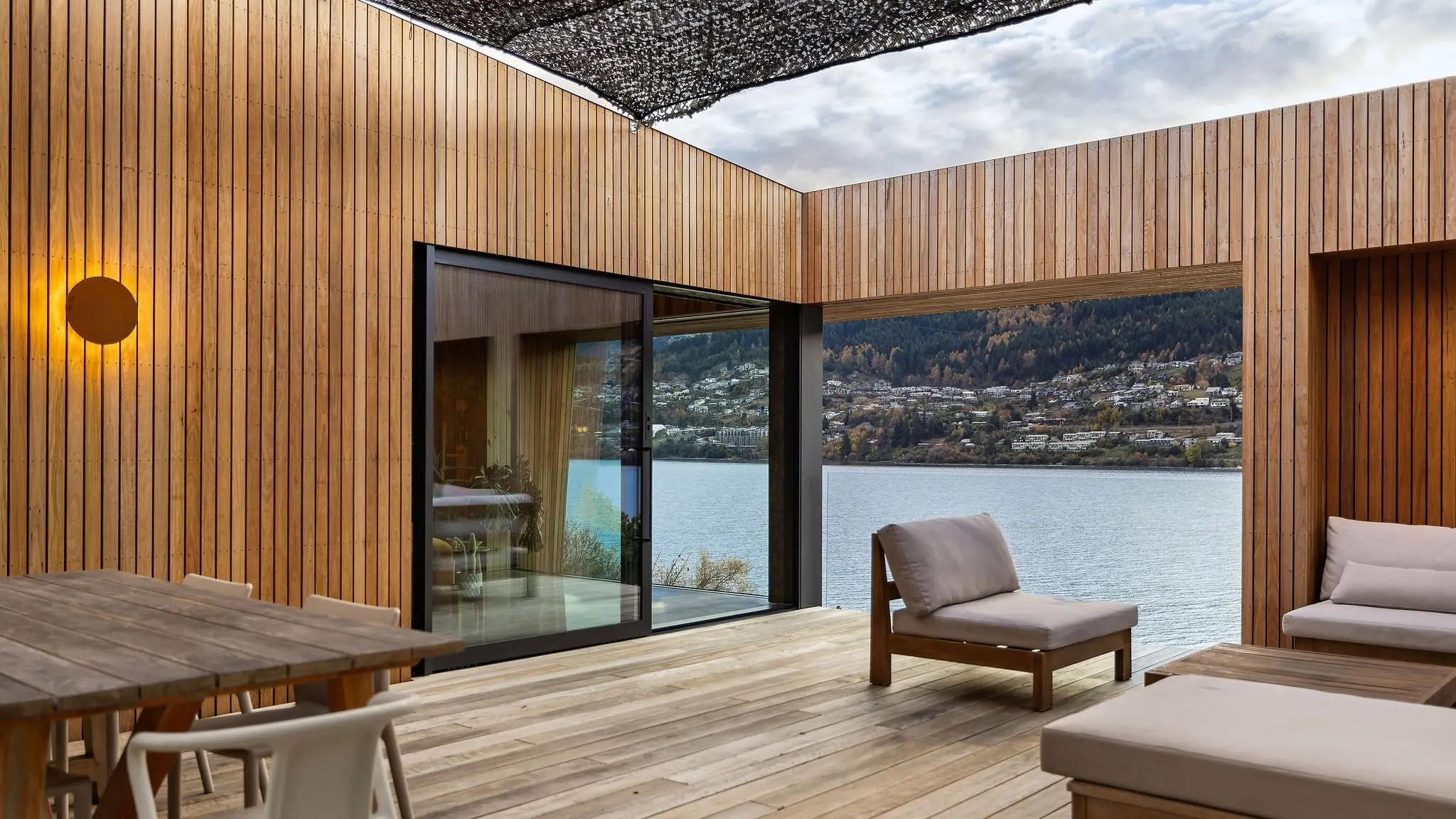
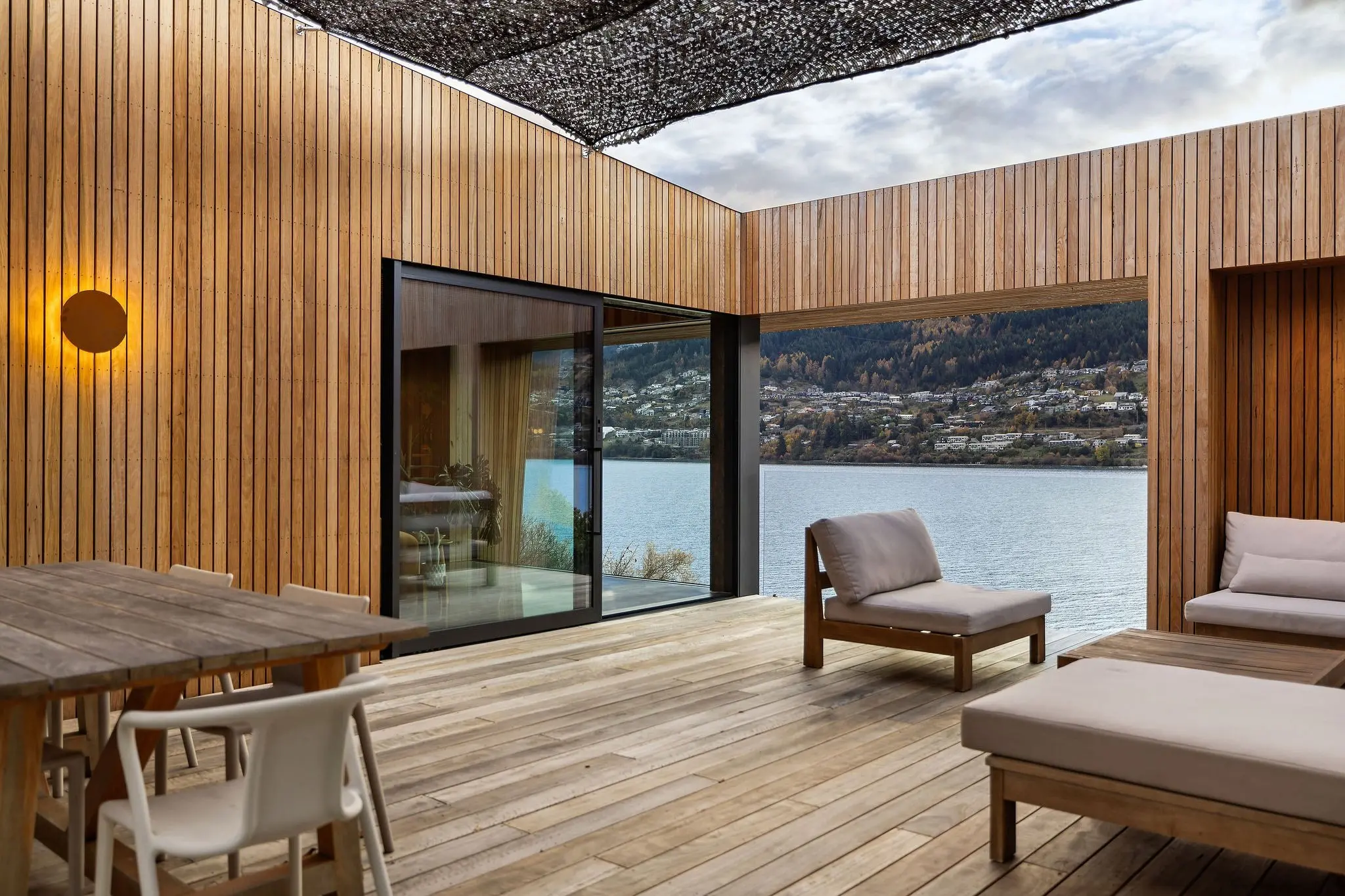
The main living area leads to a deck overlooking Lake Wakatipu. : Inside the Queenstown property rated one of NZ’s best homes
The main living area leads to a deck overlooking Lake Wakatipu. : Inside the Queenstown property rated one of NZ’s best homes
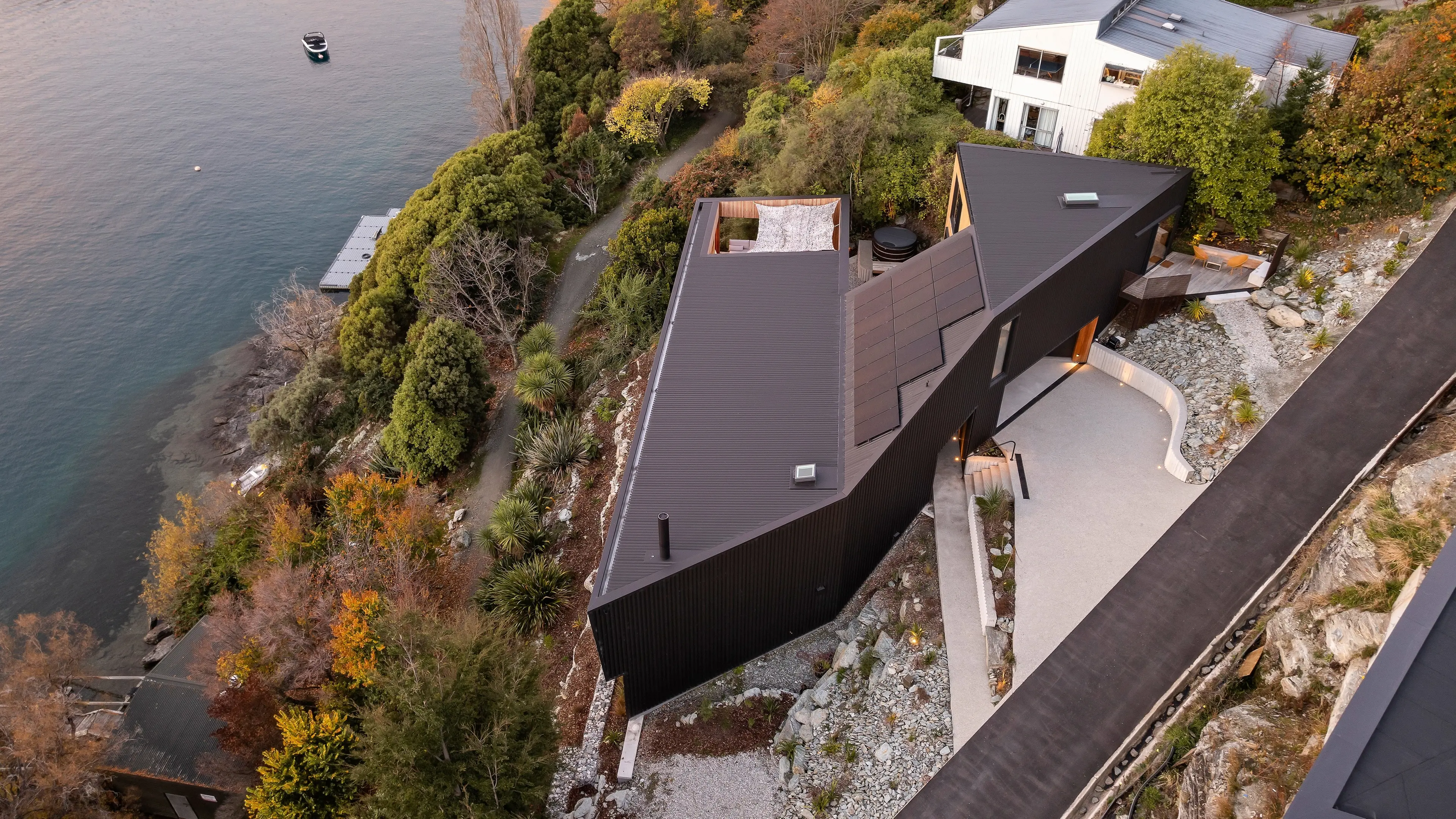
The house is located above the Frankton Arm Walkway. The House of the Year judges said it made a demanding location feel effortless. : Inside the Queenstown property rated one of NZ’s best homes
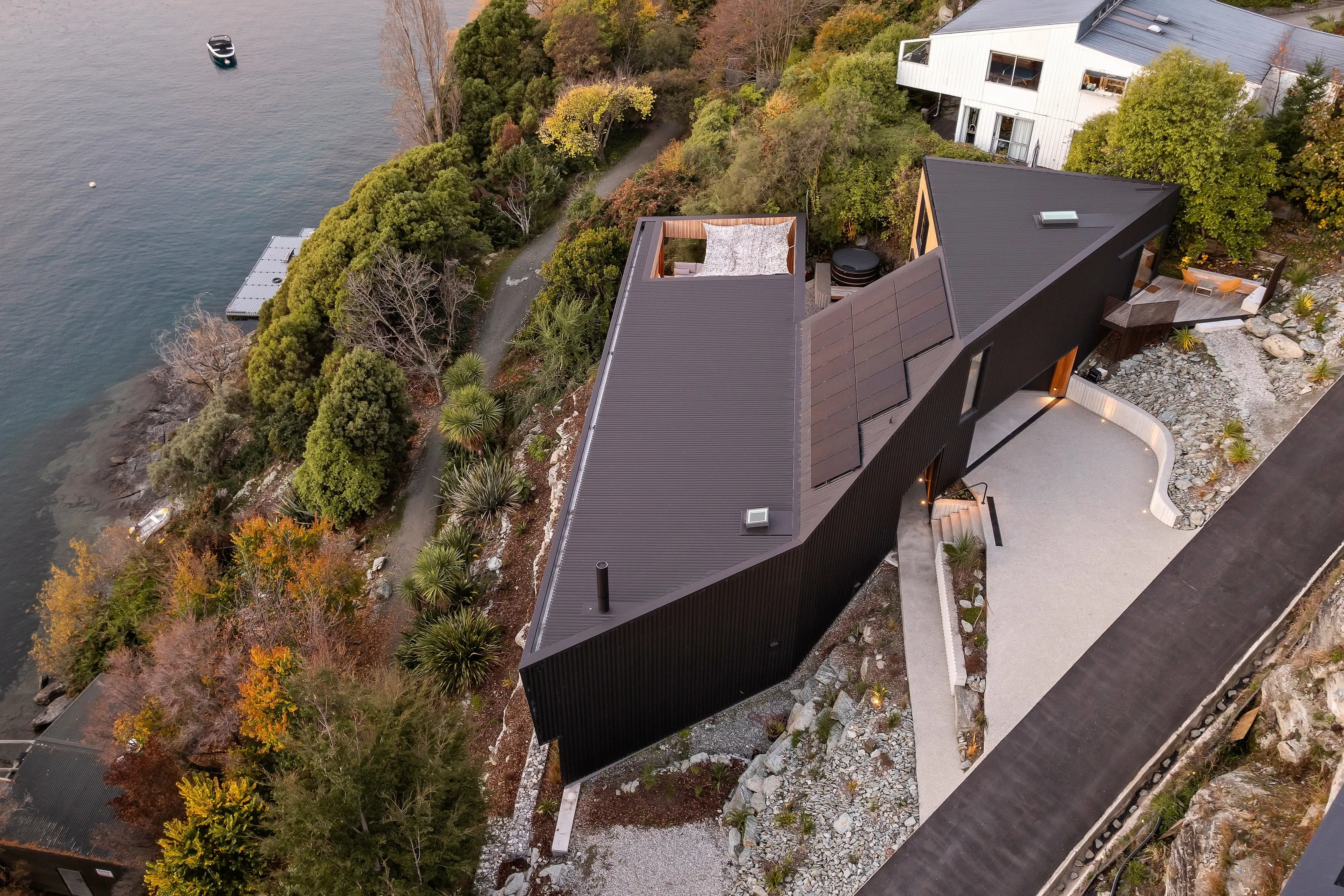
The house is located above the Frankton Arm Walkway. The House of the Year judges said it made a demanding location feel effortless. : Inside the Queenstown property rated one of NZ’s best homes
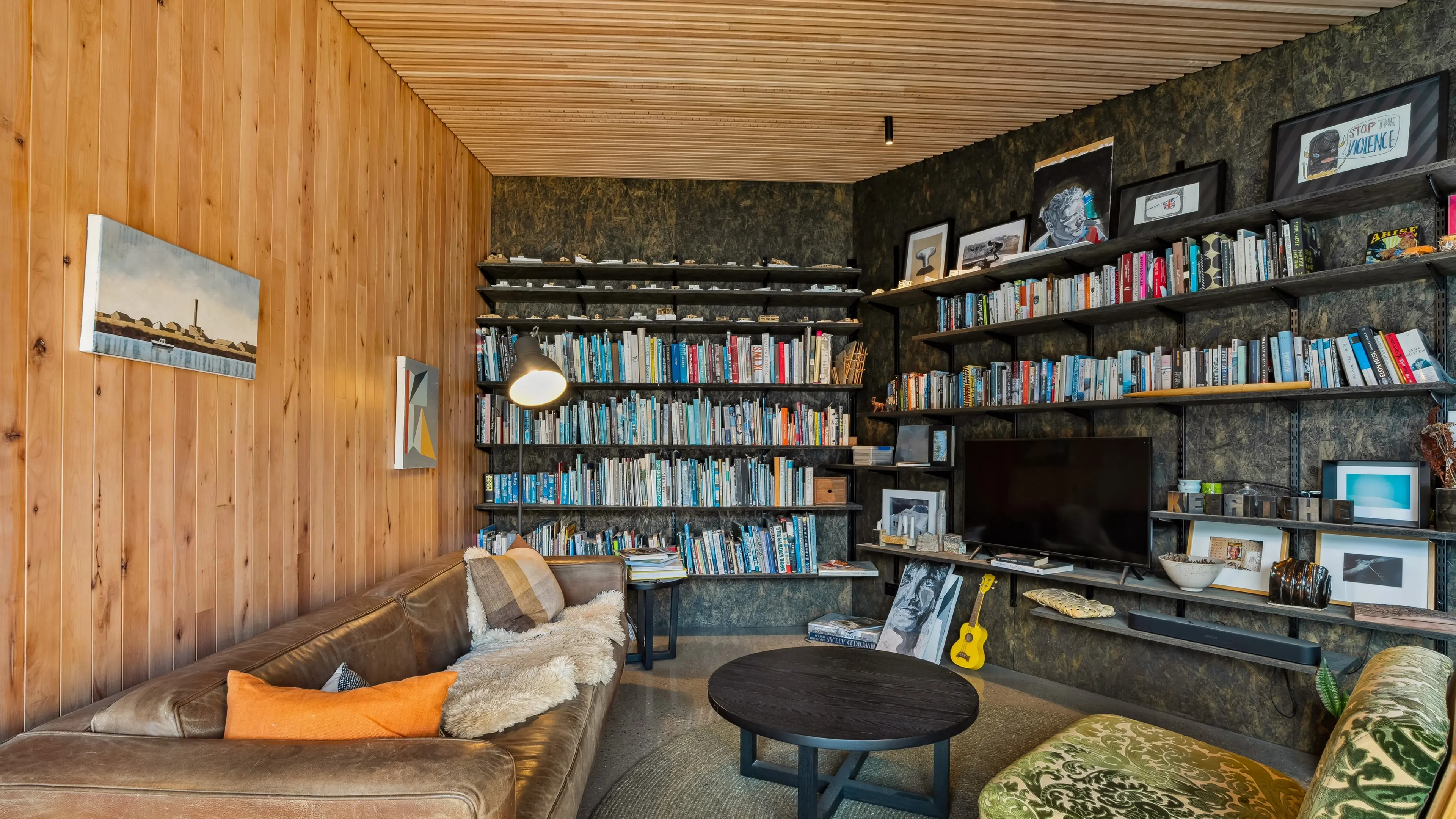
The cosy snug is lined with bookshelves. : Inside the Queenstown property rated one of NZ’s best homes
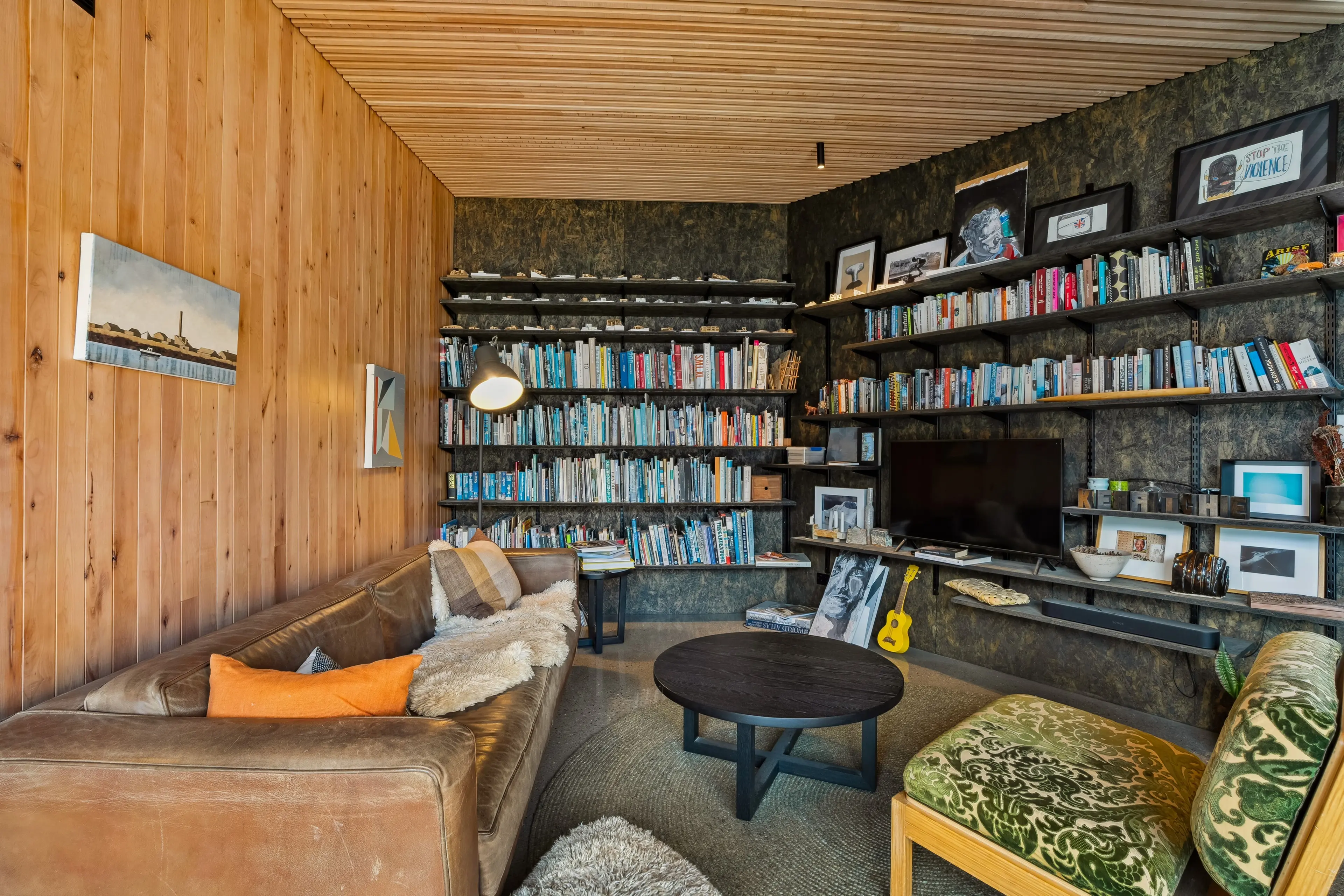
The cosy snug is lined with bookshelves. : Inside the Queenstown property rated one of NZ’s best homes
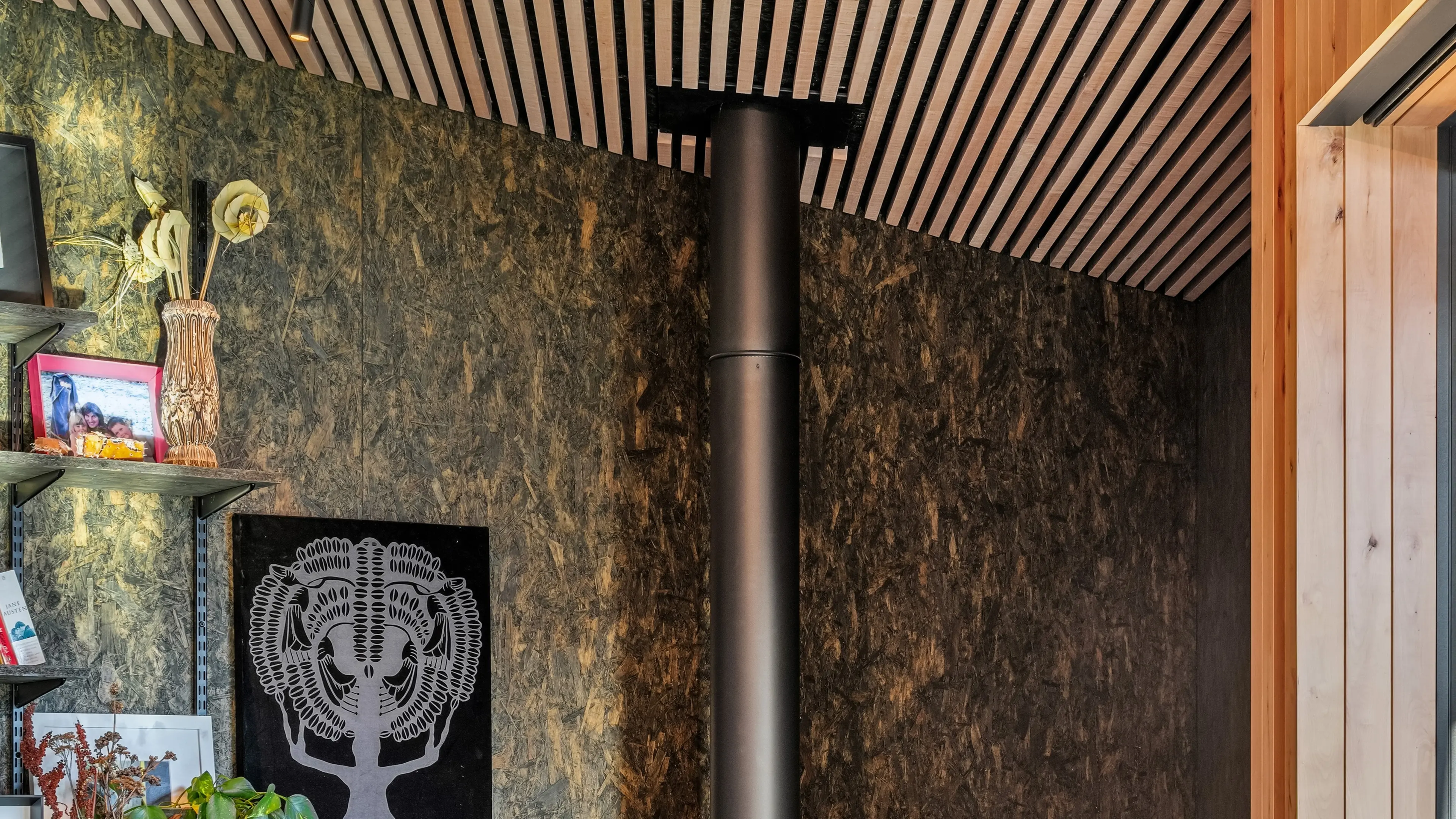
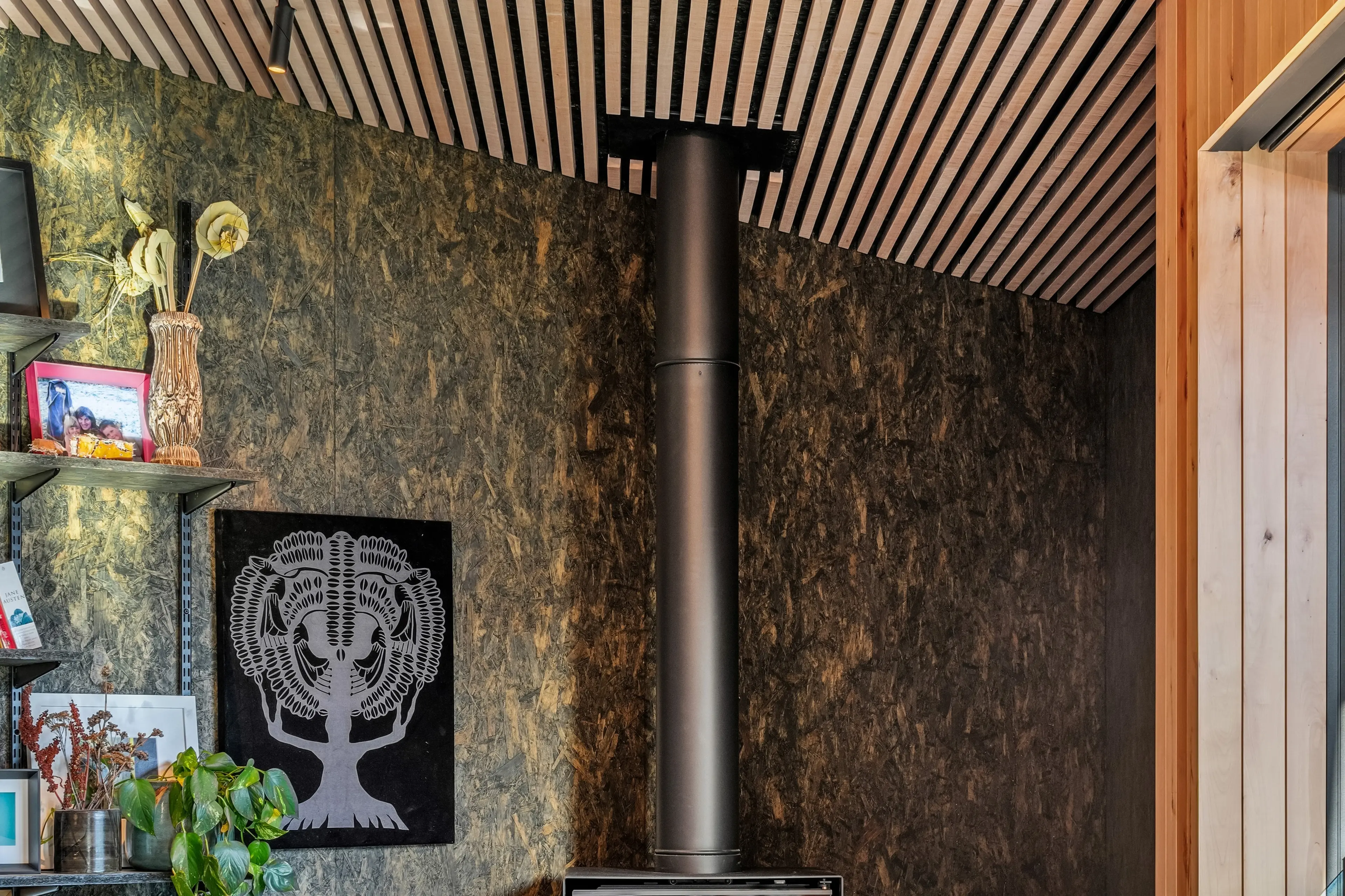
House of the Year judges described the home as being "rich in contrast and character". : Inside the Queenstown property rated one of NZ’s best homes
House of the Year judges described the home as being "rich in contrast and character". : Inside the Queenstown property rated one of NZ’s best homes
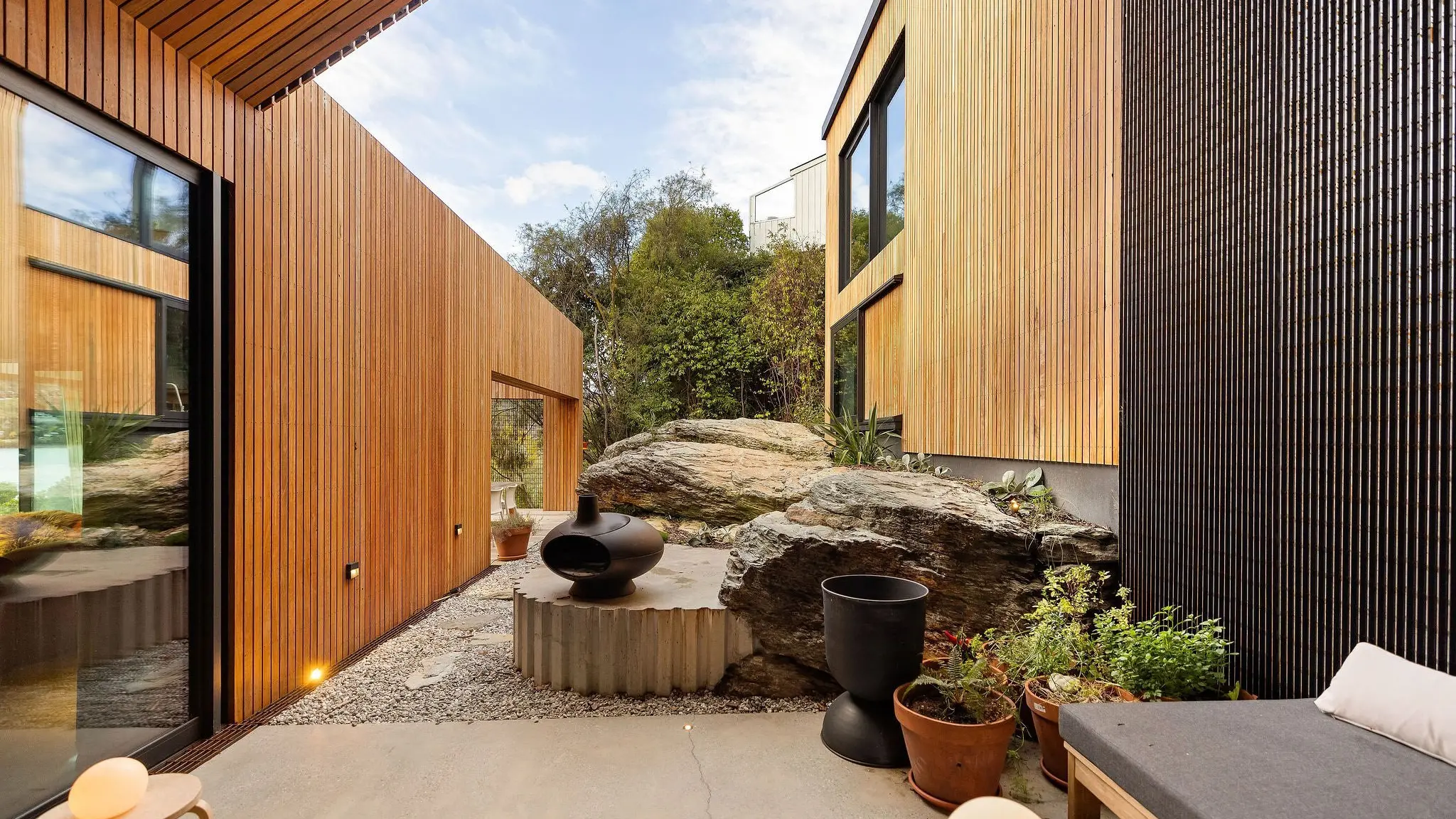
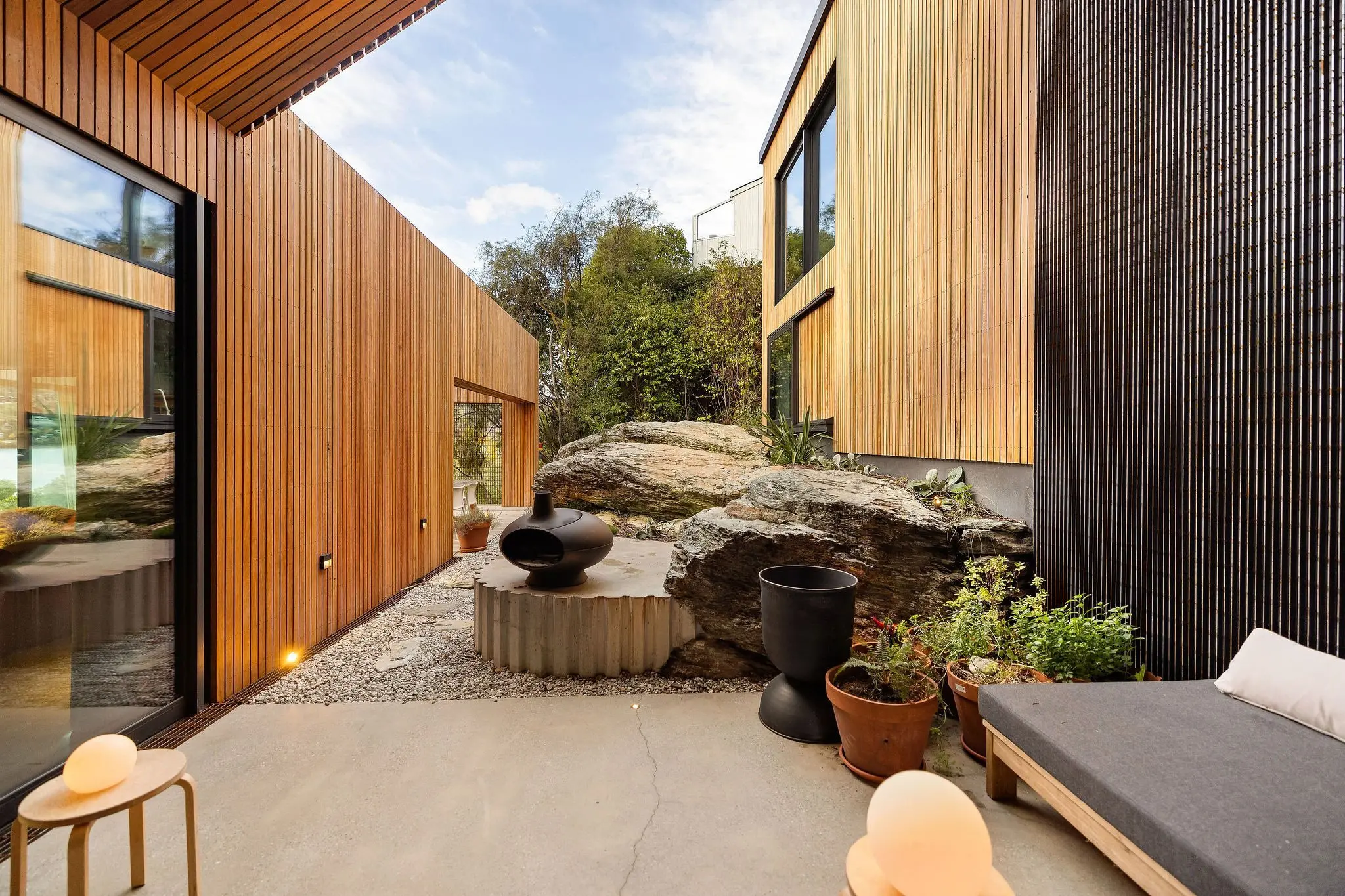
Outdoor spaces wrap around schist boulders, bringing the landscape in. : Inside the Queenstown property rated one of NZ’s best homes
Outdoor spaces wrap around schist boulders, bringing the landscape in. : Inside the Queenstown property rated one of NZ’s best homes
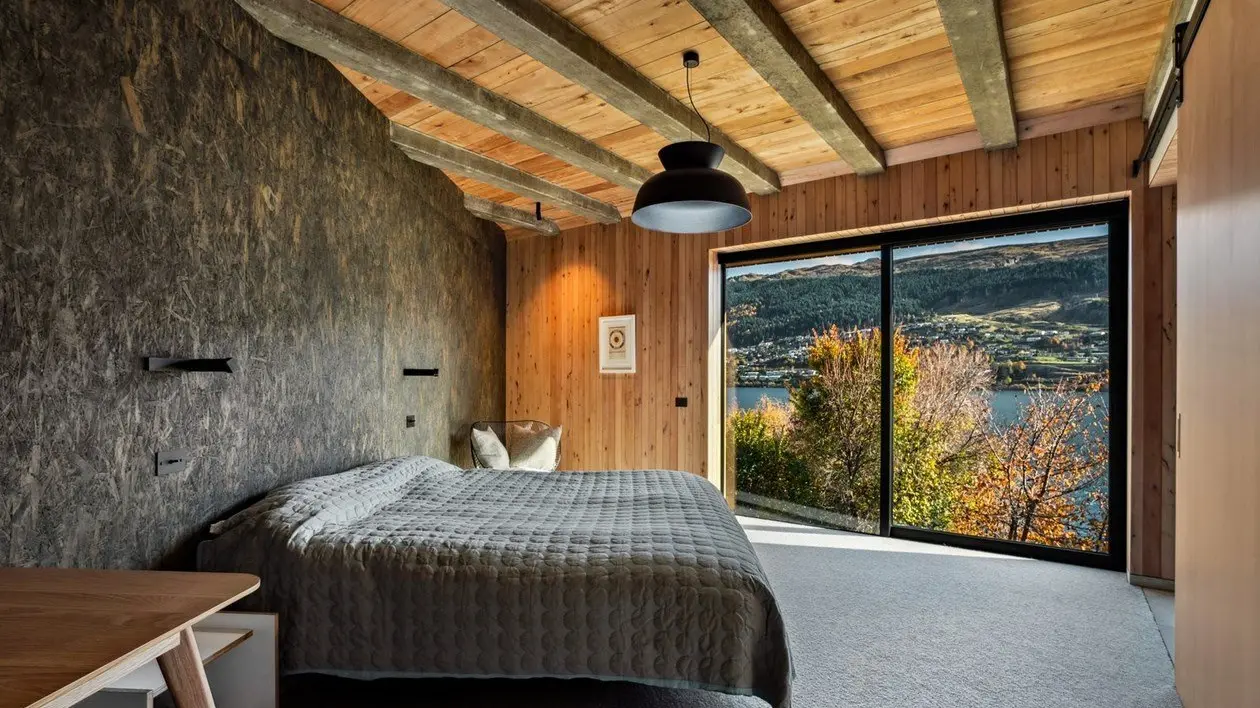
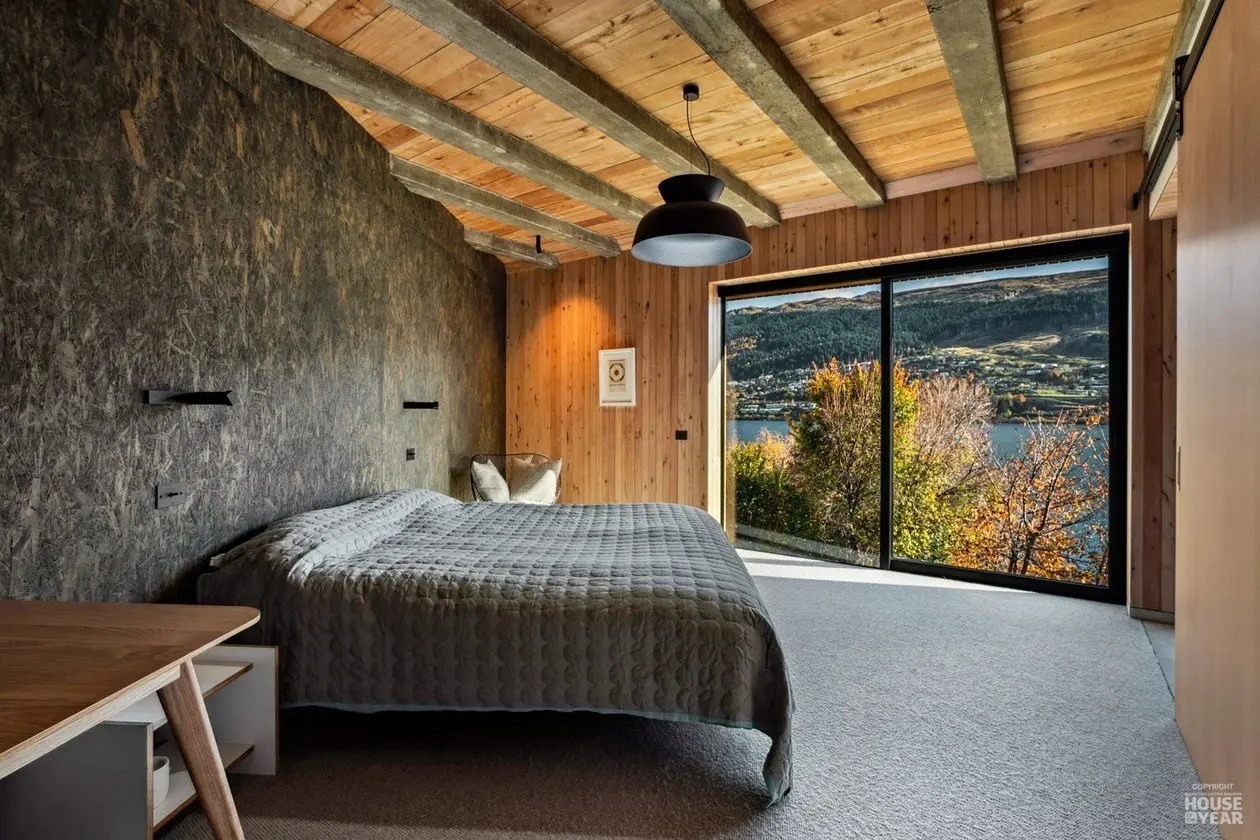
The walls in this bedroom are a combination of stained orientated strand board and Southland beech tongue and groove. The ceiling is Stahlton concentrate exposed beams, with Southland beech infill. : Inside the Queenstown property rated one of NZ’s best homes
The walls in this bedroom are a combination of stained orientated strand board and Southland beech tongue and groove. The ceiling is Stahlton concentrate exposed beams, with Southland beech infill. : Inside the Queenstown property rated one of NZ’s best homes
Inside the Queenstown property rated one of NZ’s best homes
Kim Dungey looks at what can be achieved when vision and craftsmanship align.