This technique is used to keep plants tidy and can be done at any time of the year. It is a milder form of pruning, which tends to consist of the removal of plant material and is used to increase plant health and structure.
‘‘Trimming to a node’’ removes the growing tip or apical meristem. Apical dominance is driven by the plant hormone auxin, which promotes cell division and elongation.
As a result of trimming, auxin is redirected to other growing points which gain dominance over time. In this way, trimming can be used to promote bushy, fresh growth.
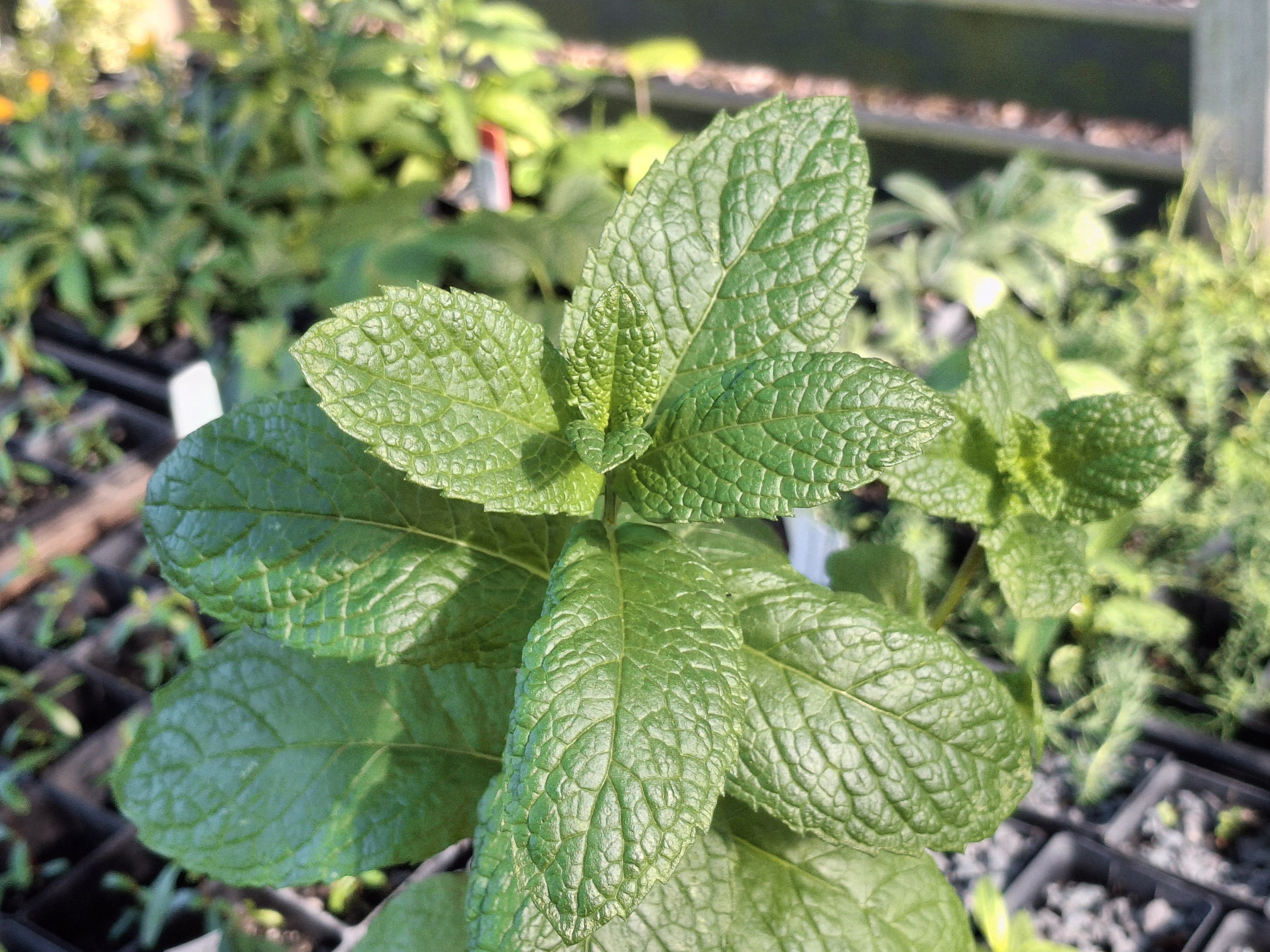
Plants in the mint family (Lamiaceae) typically respond well to trimming; new foliage will also have high concentrations of the aromatics that make many of the herbs we know and love so distinctive.
Other benefits include the removal of unattractive woody, or leggy growth, increased flower production, for example, dahlias, and greater fruit yield.
For example, ‘‘pinching out’’ tomato leaf buds and kiwifruit flower buds is a common practice, used to redirect the plant’s internal resources. Additionally, excess plant material can complement cultivation efforts if cuttings are made from them.
Improving the form and visual interest of nursery-sourced plants is key, both for customers of public nurseries and to the curators of the plant collections at the Dunedin Botanic Garden.
As a result, a greater quantity and diversity of plants are planted in private and public gardens, which see greater gardening satisfaction and enjoyment of these spaces.
- BY KATE MOSS-MASON, Plant propagation apprentice