
PHOTO
The 1925-1926 New Zealand and South Seas International Exhibition was a major event for Dunedin and the Dunedin Botanic Garden.
The garden’s curator David Tannock was heavily involved in the horticultural side of the exhibition. He was in charge of the landscaping and most of the plants for the site were grown at the Dunedin Botanic Garden.
More than 80,00 annual and herbaceous plants and 2500 shrubs and trees were grown by the Dunedin Botanic Garden for the landscaping. Two new propagating houses were built and the potting shed expanded to cope with the extra production requirements.
To this day there are still a few features at the gardens that were inherited from the exhibition.
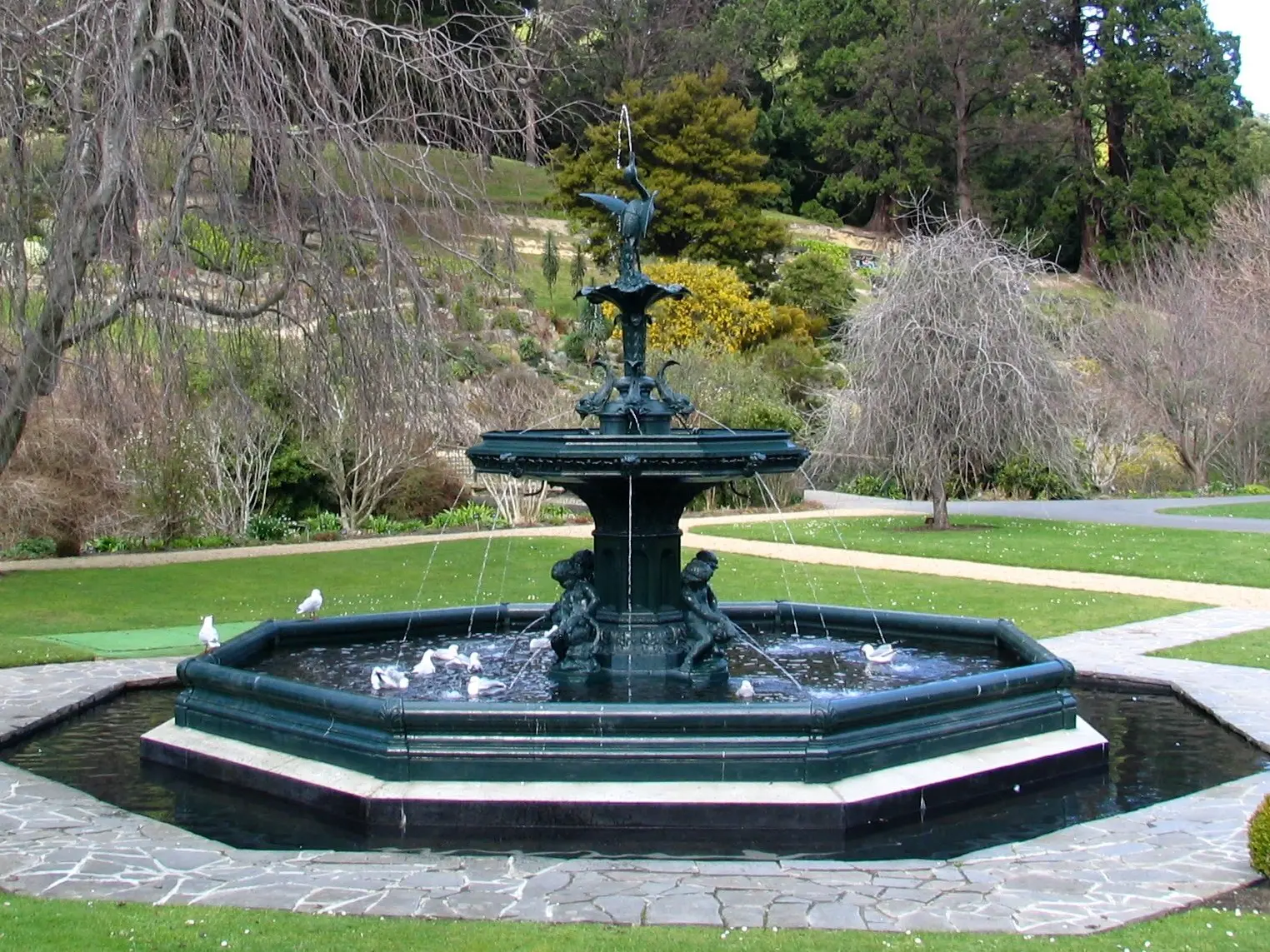
The main feature was the Woolf Harris Fountain, the ornate Victorian-style fountain in the lower garden near the herbaceous borders. The fountain, donated by Mr Woolf Harris, was originally sited at Queens Gardens, and was removed to make way for the cenotaph. After a few years in storage, it was used as a centre piece for the main pavilion of the South Seas exhibition before coming to the garden. The sundial near the fountain in the Knot Garden was also from the exhibition.
There were several other buildings and features which are no longer here, but were part of the garden for a long time. A building from the exhibition was moved to the lower garden near the entrance to provide a ladies’ rest room with hot water for babies’ bottles and tea and biscuits at charge of 6p.
The fernery at the exhibition recreated a New Zealand bush gully and included a stream and a waterfall and contained about 50 species of New Zealand ferns from the Dunedin area and many New Zealand alpines. After the exhibition it was re-erected at the back of the winter garden.
By ALICE LLOYD-FITT Propagation services officer
